29 Tiny Living Room Design Ideas for Small Spaces
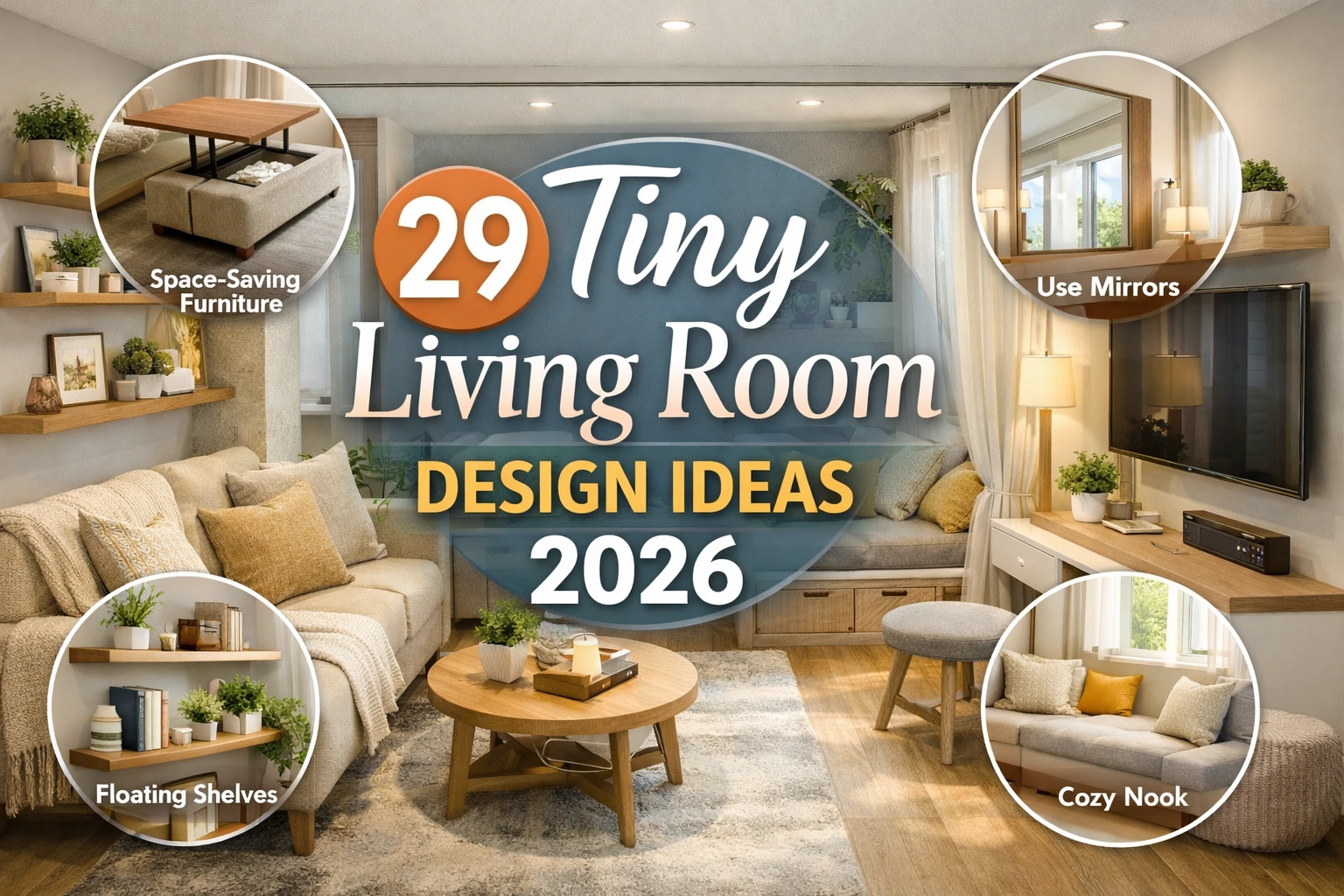
Designing a tiny living room can feel challenging, but with smart planning and creative styling, even the smallest space can look open, cozy, and functional.
Whether you’re working with an apartment living room, studio flat, or compact home layout, the right furniture arrangement, lighting, and storage solutions can completely transform your space.
These tiny living room design ideas focus on space-saving furniture, multi-functional decor, minimalist styling, and clever organization to help you create a stylish and practical small living area.
Use Light and Neutral Color Palettes
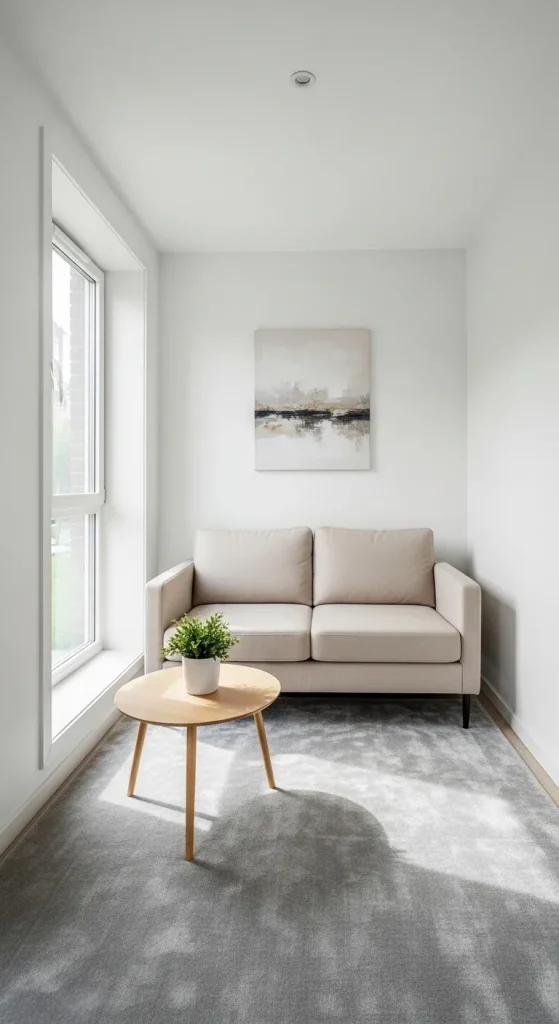
Light colors instantly make a small living room feel larger and brighter. Shades like white, soft beige, light gray, and pastel tones reflect natural light and create an airy atmosphere.
Pair neutral walls with a matching sofa and light wood furniture to maintain visual flow. Add subtle contrast through textured cushions or a patterned rug.
This approach reduces visual clutter and enhances the illusion of space, making your tiny living room feel calm, open, and welcoming without overwhelming the layout.
Choose Multi-Functional Furniture
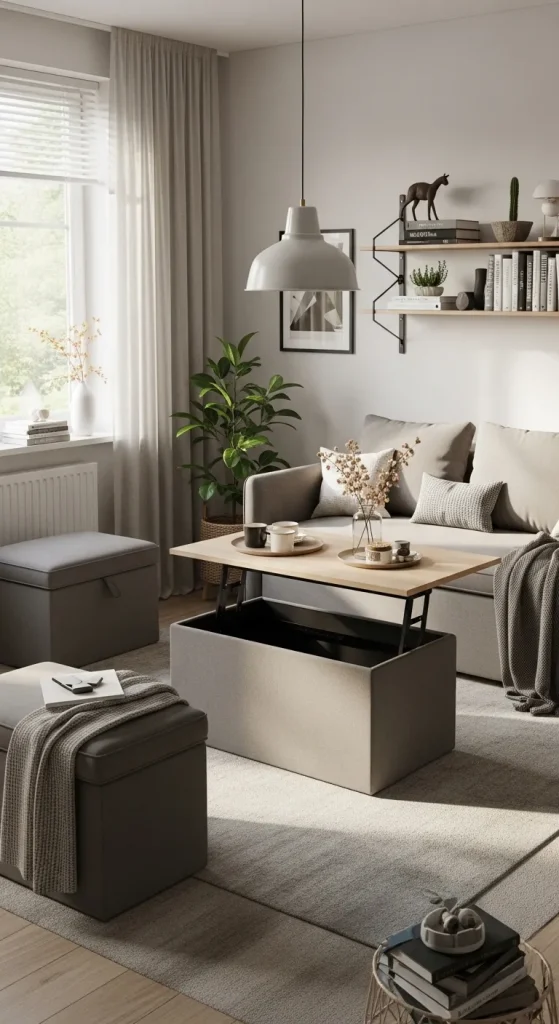
In a compact living room, every piece of furniture should serve more than one purpose. Opt for ottomans with hidden storage, sofa beds for guests, or nesting tables that can be tucked away when not needed.
Multi-functional furniture helps maximize floor space while maintaining style. A lift-top coffee table can double as a workspace, and a storage bench can provide both seating and organization.
Smart furniture choices ensure your small living room remains functional and clutter-free.
Install Floating Shelves
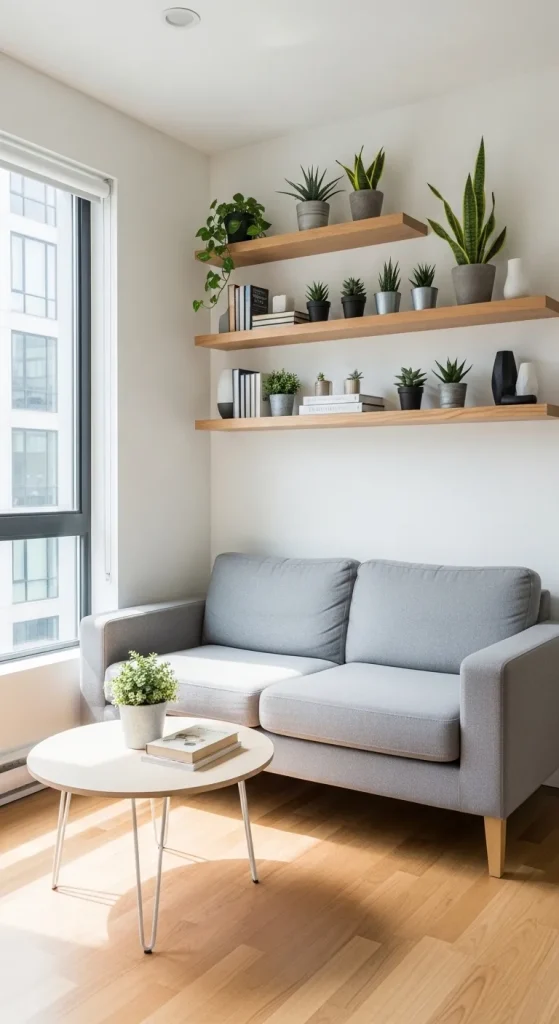
Floating shelves are perfect for vertical storage in tiny spaces. Instead of bulky cabinets, mount sleek wall shelves to display decor, books, or plants.
This keeps the floor clear and visually expands the room. Arrange items neatly and avoid overcrowding to maintain balance.
Floating shelves create a modern, minimalist look while providing practical storage. They are especially effective in studio apartments where wall space needs to be fully utilized.
See Also: 30 White Living Room Ideas 2026 for Modern & Elegant Homes
Add Mirrors to Reflect Light
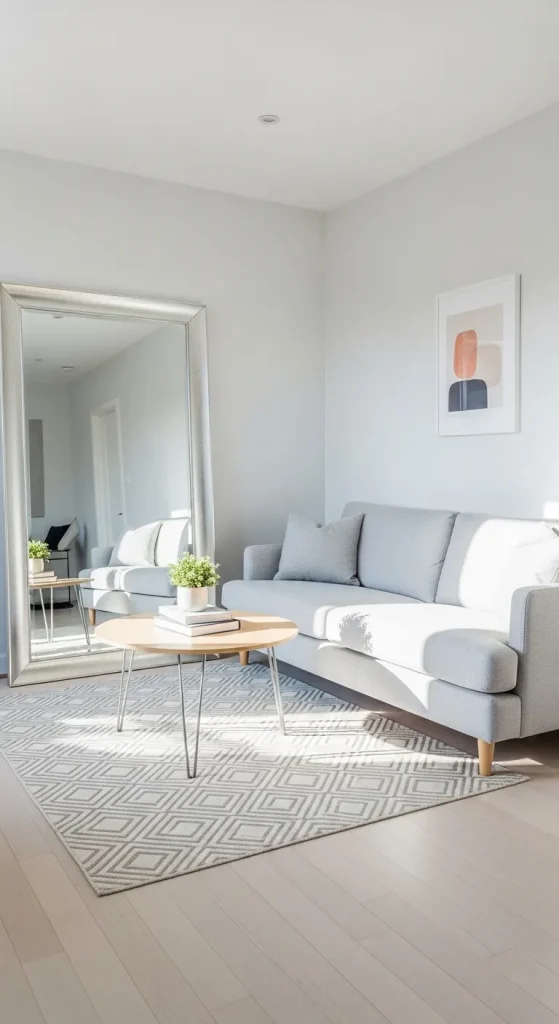
Mirrors are one of the oldest tricks for making a small room look bigger. A large wall mirror placed opposite a window reflects natural light and creates depth.
You can also use mirrored furniture or decorative mirror panels to amplify brightness. This design strategy enhances openness and reduces the feeling of confinement.
In tiny living rooms, strategic mirror placement dramatically improves spatial perception.
Opt for Slim and Low-Profile Furniture
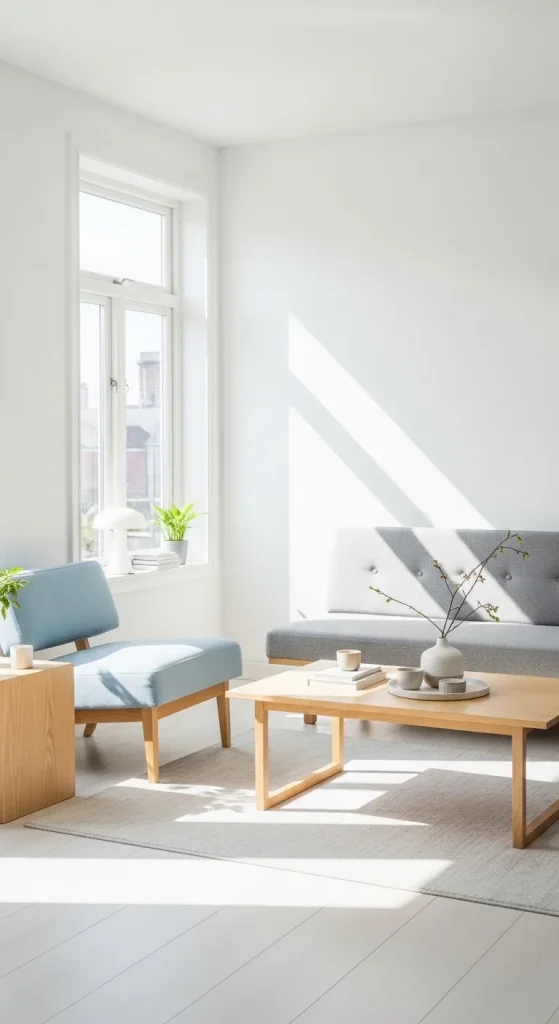
Bulky furniture overwhelms small living rooms. Choose slim sofas, armless chairs, and low-profile coffee tables to maintain open sightlines.
Furniture with exposed legs allows light to pass underneath, creating a sense of spaciousness. Scandinavian-inspired designs work particularly well for compact spaces. Keeping proportions balanced ensures your tiny living room feels comfortable without appearing crowded.
Use Vertical Storage Cabinets
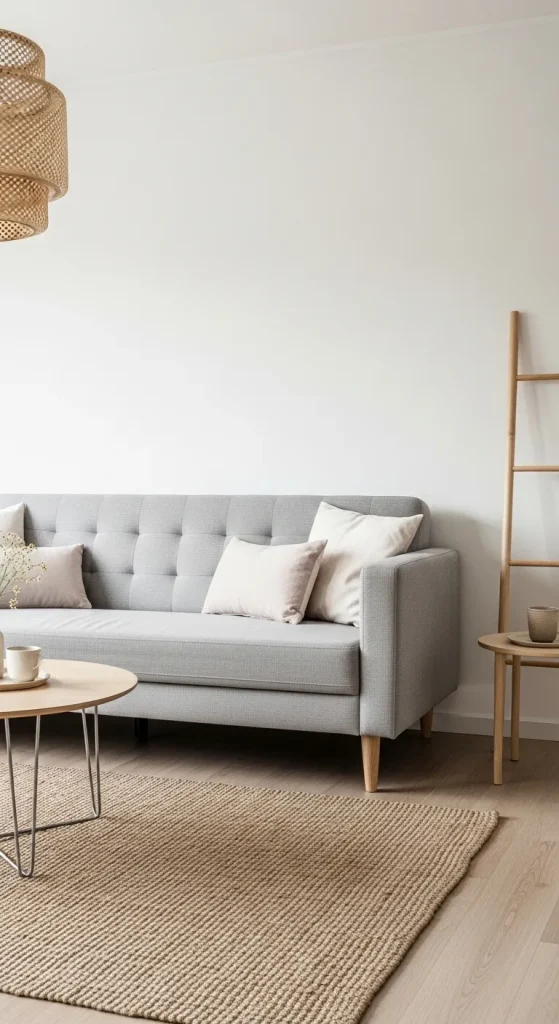
When floor space is limited, think vertically. Tall storage cabinets or narrow bookcases provide ample storage without occupying too much horizontal space.
Built-in shelving units can maximize awkward corners. Vertical storage draws the eye upward, making ceilings appear higher.
This smart storage solution keeps your tiny living room organized while maintaining a clean aesthetic.
Incorporate Wall-Mounted TV Units
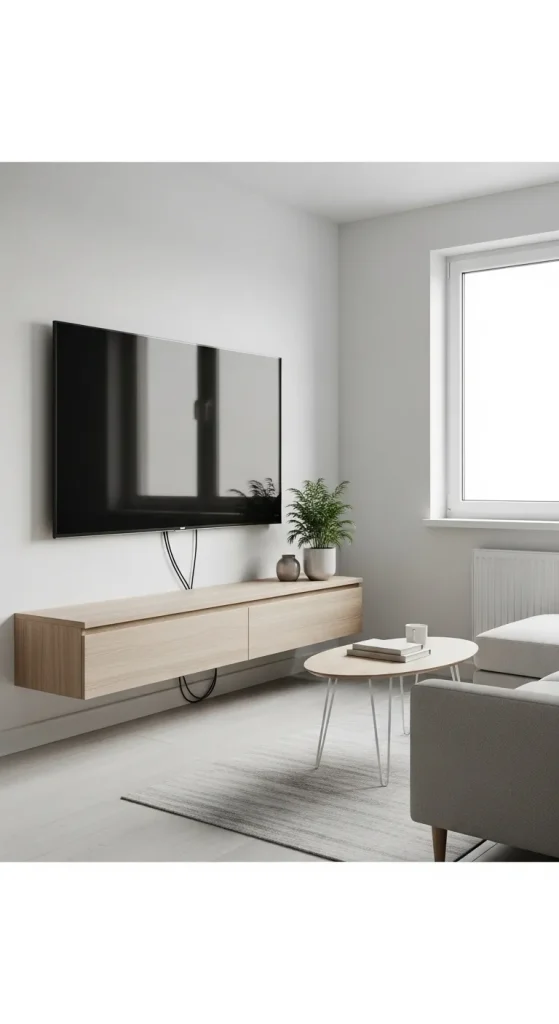
A wall-mounted TV eliminates the need for a bulky entertainment console. Pair it with a floating media shelf for a sleek and modern look.
This frees up valuable floor space and enhances a minimalist layout. Keeping cables concealed also prevents visual clutter. Wall-mounted setups are ideal for compact apartment living rooms.
See Also: 29 Gray Living Room Design Ideas for 2026
Use Light Curtains or Sheer Drapes
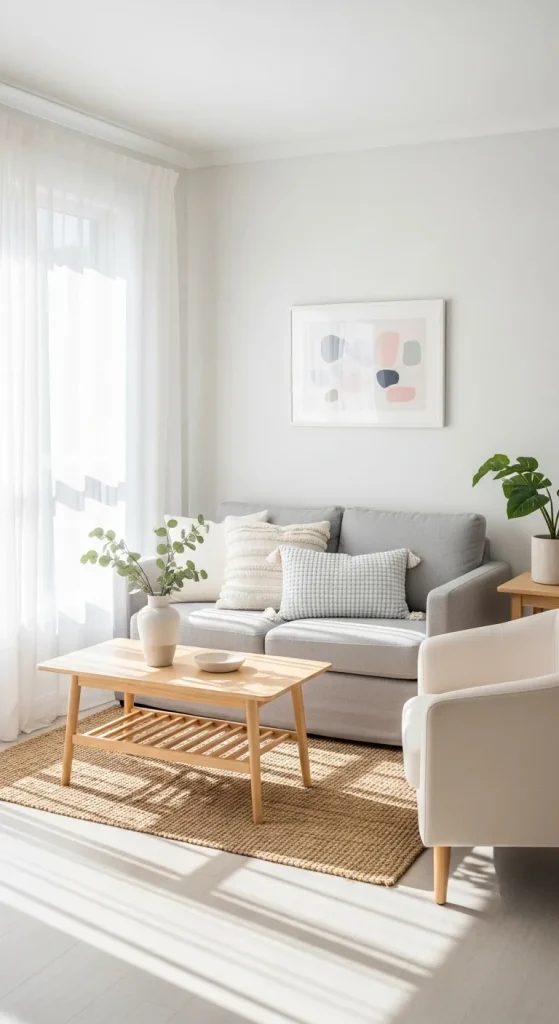
Heavy curtains can make a small living room feel cramped. Opt for sheer curtains that allow natural sunlight to flow in. Light window treatments create an open and breezy environment.
Mount curtain rods slightly above the window frame to give the illusion of higher ceilings. This subtle trick visually expands the space.
Create a Built-In Seating Nook
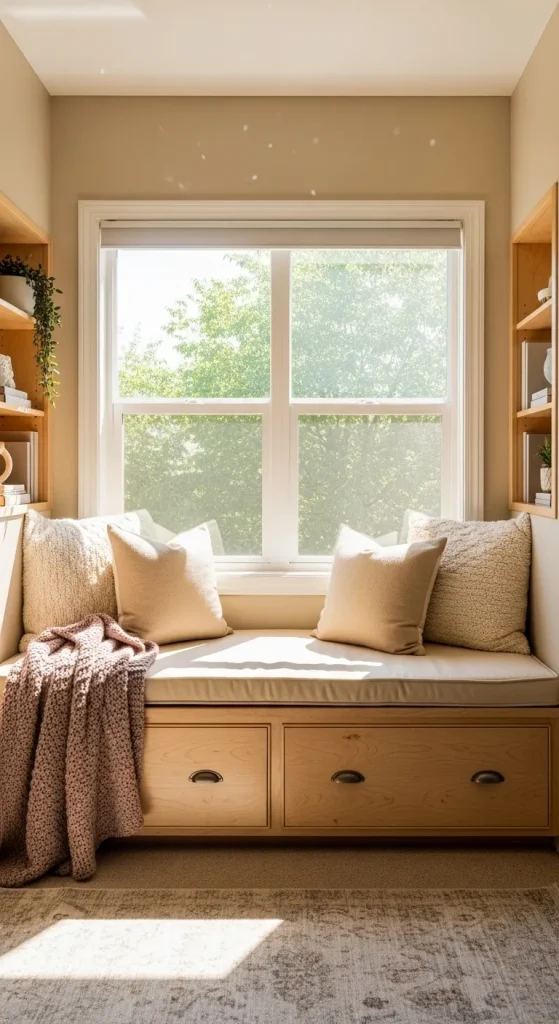
A built-in bench along a wall or under a window saves space while providing additional seating. Add storage drawers beneath for extra functionality.
This cozy corner can serve as a reading nook or relaxation spot. Built-in designs utilize underused areas efficiently, making them ideal for small homes.
Use Area Rugs to Define Zones
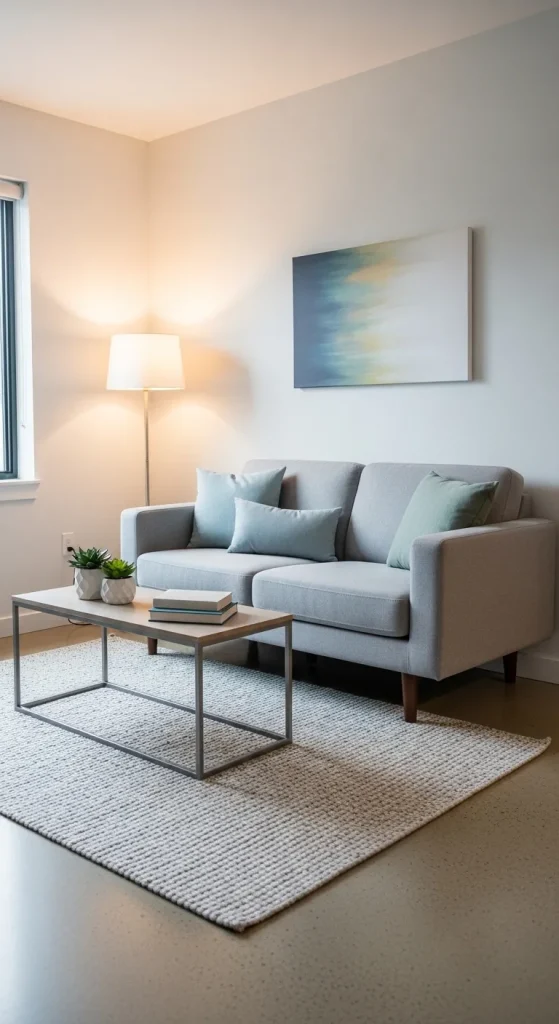
In studio layouts, defining zones is essential. Use a small area rug to anchor the seating arrangement. This visually separates the living area from other spaces without adding physical barriers.
Choose light-toned or subtle patterned rugs to maintain openness. Proper zoning enhances organization in a tiny living room.
Add Foldable or Stackable Chairs
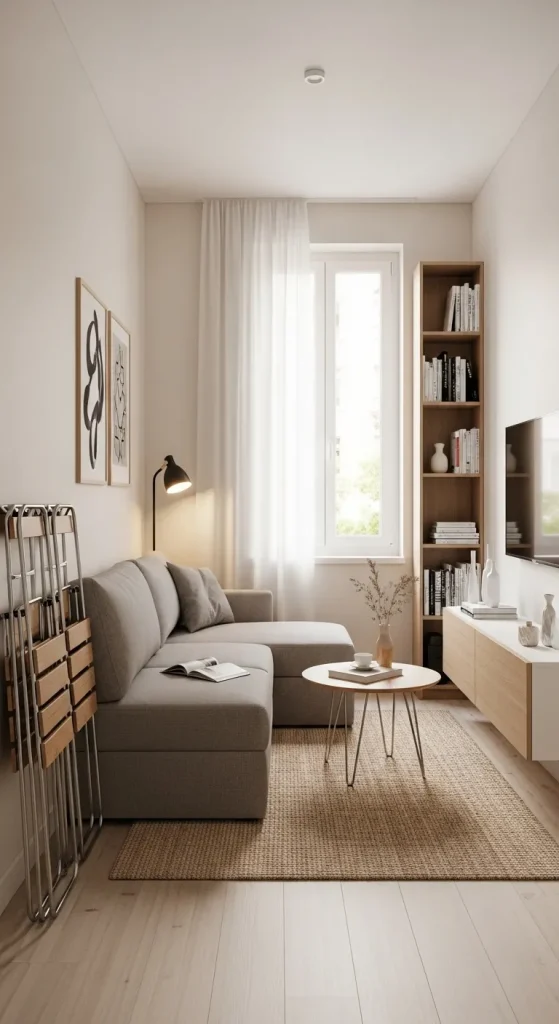
Foldable chairs are perfect for entertaining in small spaces. Store them away when not in use to free up floor space. Stackable seating solutions are practical and stylish. Compact furniture flexibility ensures your living room adapts to different needs effortlessly.
Use Glass or Acrylic Furniture
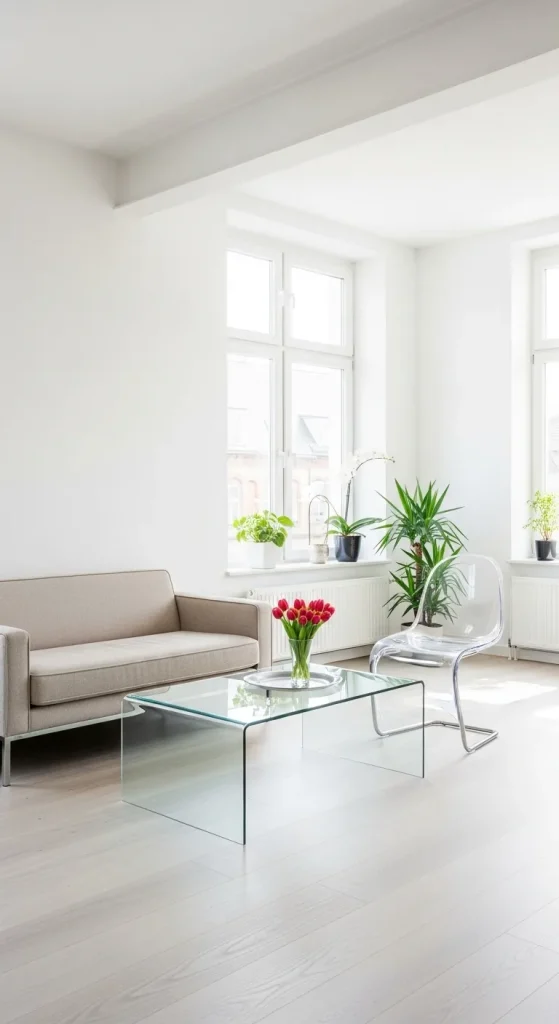
Transparent furniture pieces, such as glass coffee tables or acrylic chairs, reduce visual weight. Because they are see-through, they create an illusion of more space. These materials maintain a modern aesthetic while keeping the room airy and open.
See Also: 26 Compact Living Room Ideas for 2026 That Maximize Space
Keep Decor Minimal and Intentional
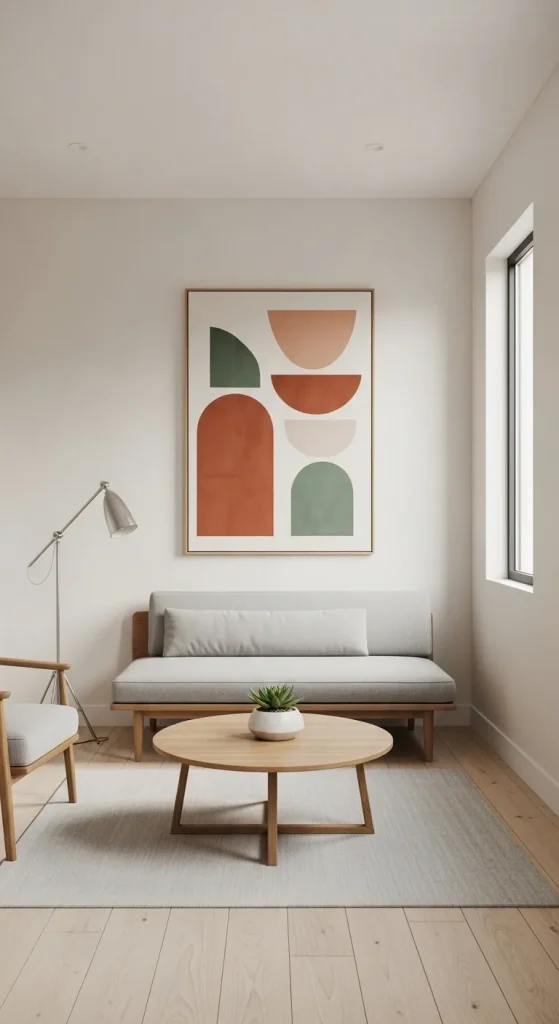
Clutter can quickly overwhelm a tiny living room. Stick to a minimalist approach by selecting a few statement pieces rather than multiple small decorations.
Use cohesive color schemes and limit accessories. A clean and simple design enhances visual space.
Add Wall Sconces Instead of Floor Lamps
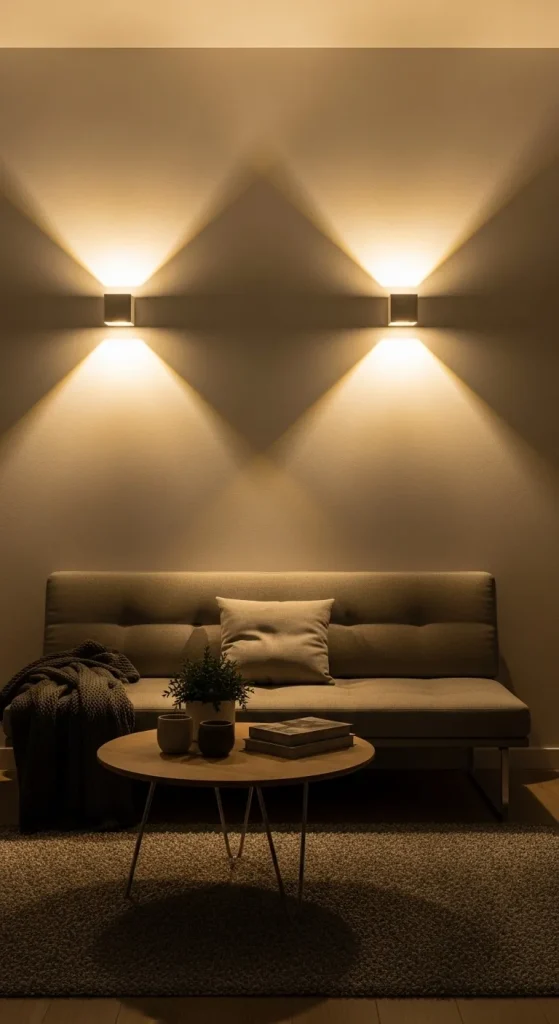
Wall-mounted lighting frees up valuable floor space. Sconces provide focused lighting without bulky stands. This approach enhances functionality and keeps pathways clear. Layered lighting improves ambiance in compact living rooms.
Choose a Corner Sofa Layout
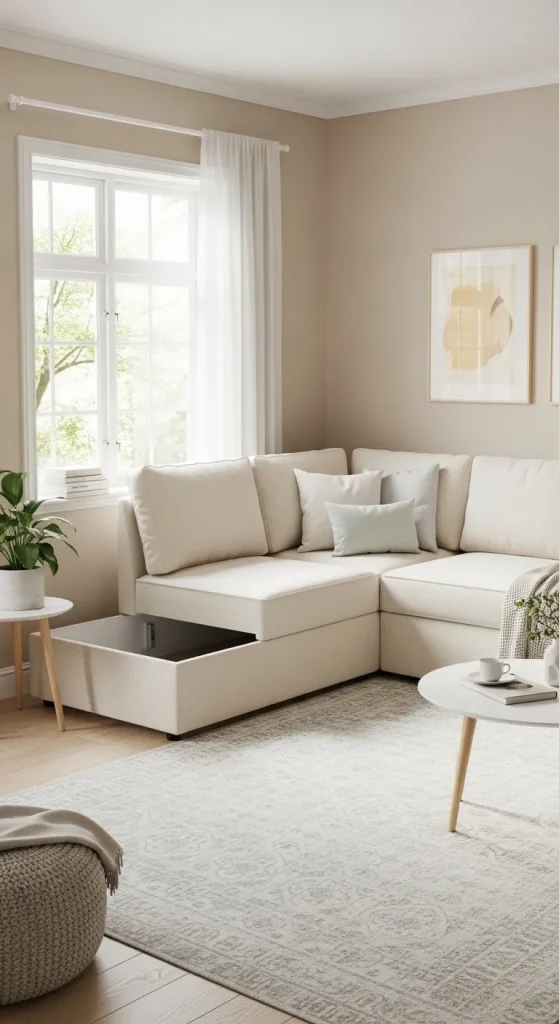
A corner sofa maximizes seating while fitting snugly into the layout. It uses wall space efficiently and creates a cozy seating zone.
Opt for compact L-shaped designs with storage compartments. This layout solution optimizes both comfort and space.
Layer Textures for Depth
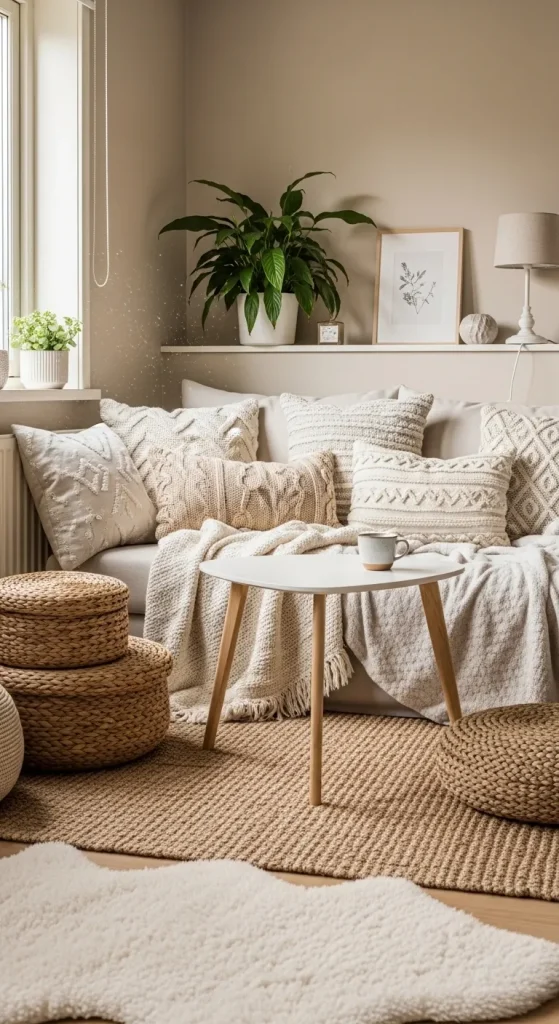
Adding layers of texture can make a small living room feel cozy and visually interesting. Incorporate plush throws, textured cushions, jute rugs, and woven baskets.
Different materials create contrast without adding clutter. Using soft fabrics on seating, layered rugs, and tactile wall decor adds depth to your tiny space.
Stick to a cohesive color palette to maintain harmony while making the room inviting and comfortable.
Incorporate Indoor Plants
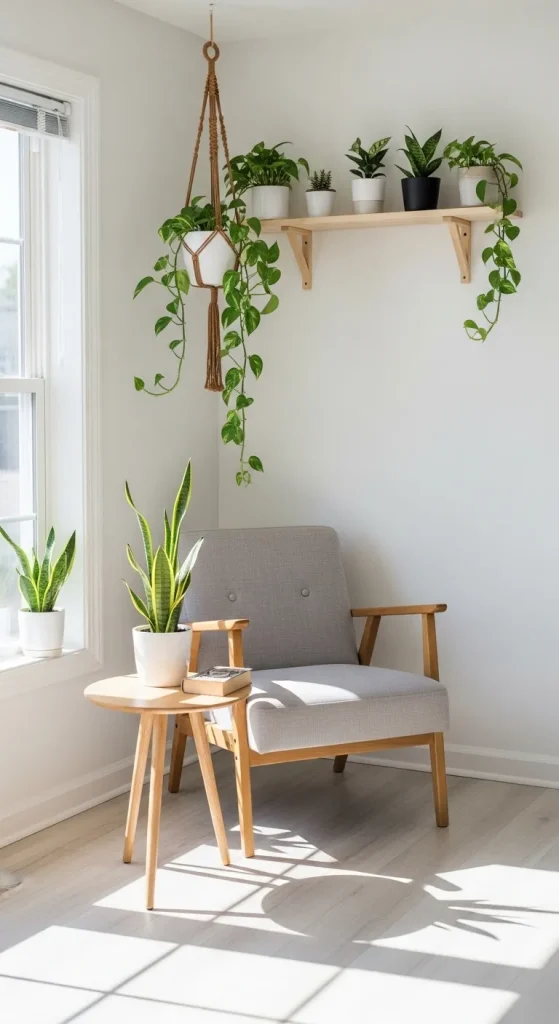
Indoor plants instantly bring life to a compact living room. Use small potted plants on shelves, hanging planters, or a corner plant stand.
Plants improve air quality and create a fresh, lively atmosphere. Select low-maintenance varieties like snake plants, pothos, or succulents. Grouping a few plants together can add a natural focal point without crowding the space.
Use Foldable or Extendable Tables
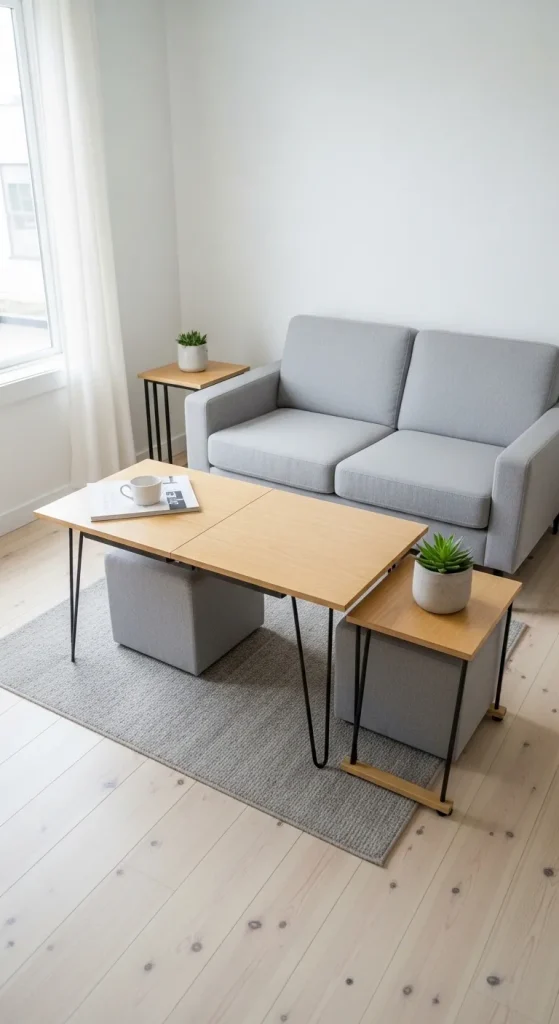
Tiny living rooms benefit from foldable or extendable tables. A compact coffee table can expand for meals or work tasks, then fold back when not in use.
This flexibility allows your space to adapt for entertaining, working, or relaxing. Choose sleek designs that complement the overall decor. Foldable tables keep the area open and prevent overcrowding.
Choose Light Wooden Furniture
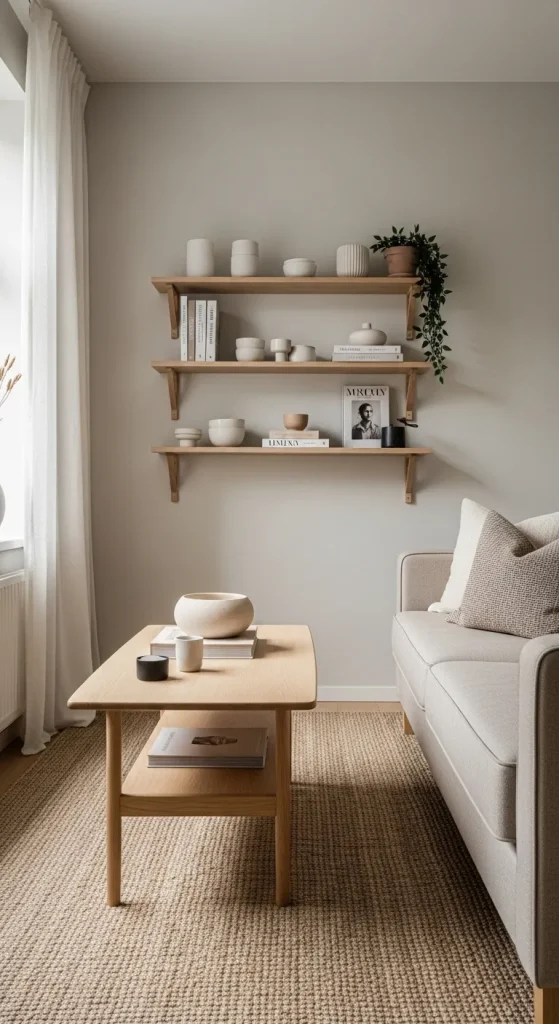
Light-toned wood furniture enhances the perception of space in small rooms. Oak, birch, or ash finishes pair beautifully with neutral walls and soft furnishings.
Wooden furniture adds warmth and natural charm without overpowering the space. Compact wooden coffee tables, shelving, and chairs maintain a minimalistic yet cozy vibe.
See Also: 25 Living Room Inspo Ideas Defining Style in 2026
Use Patterned Accents Sparingly
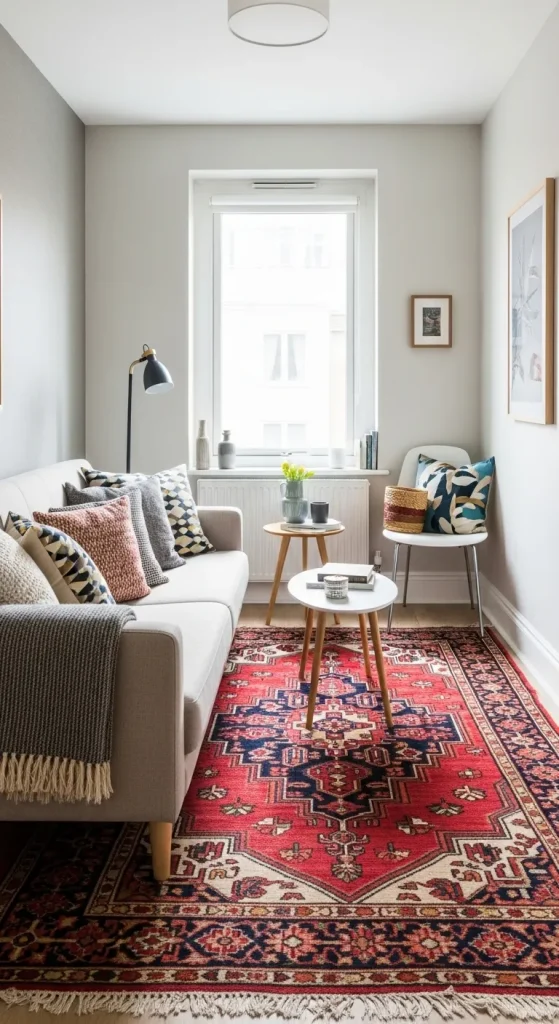
Small living rooms benefit from subtle patterns. A patterned rug, throw pillow, or small accent wall adds personality without overwhelming the room.
Stick to one or two patterns, preferably in soft tones, to keep visual balance. Controlled patterns add character and style to a compact space.
Create a Monochromatic Theme
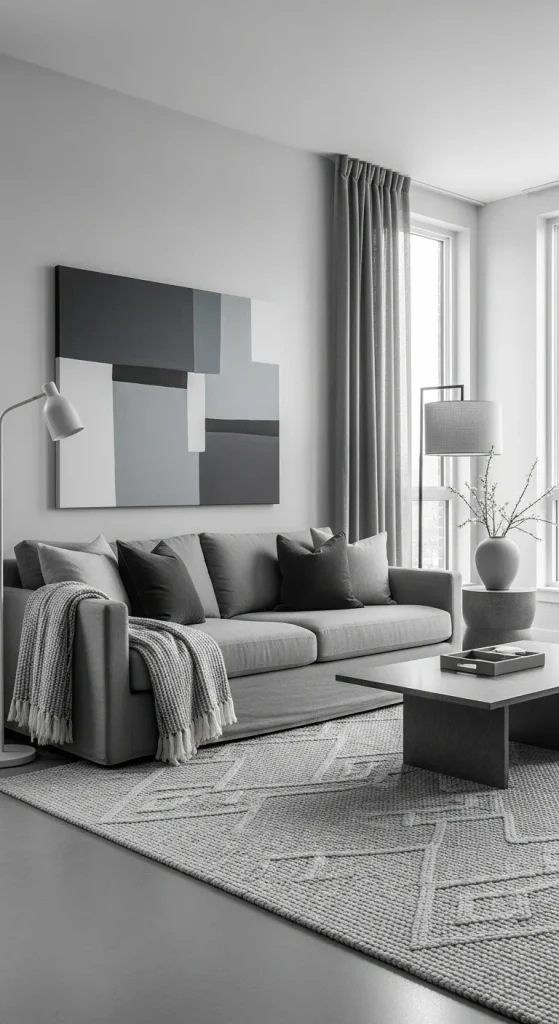
A monochromatic color scheme can make a tiny living room feel larger. Choose shades of the same color family for walls, furniture, and accessories.
This uniformity creates continuity and prevents visual fragmentation. Add texture and subtle accents to avoid a flat look. Monochromatic rooms appear elegant, calm, and spacious.
Add a Statement Wall Art
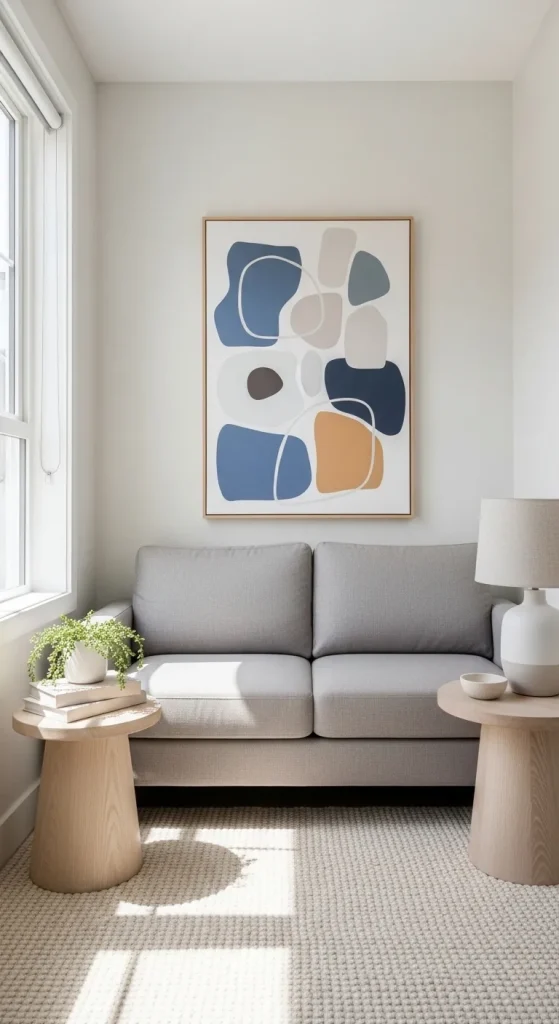
A single statement art piece draws attention without cluttering the room. Hang a large canvas or framed print above the sofa to create a focal point.
Stick to neutral tones or one accent color. A statement piece adds personality while keeping the small living room organized and stylish.
Use Compact Sectional Sofas
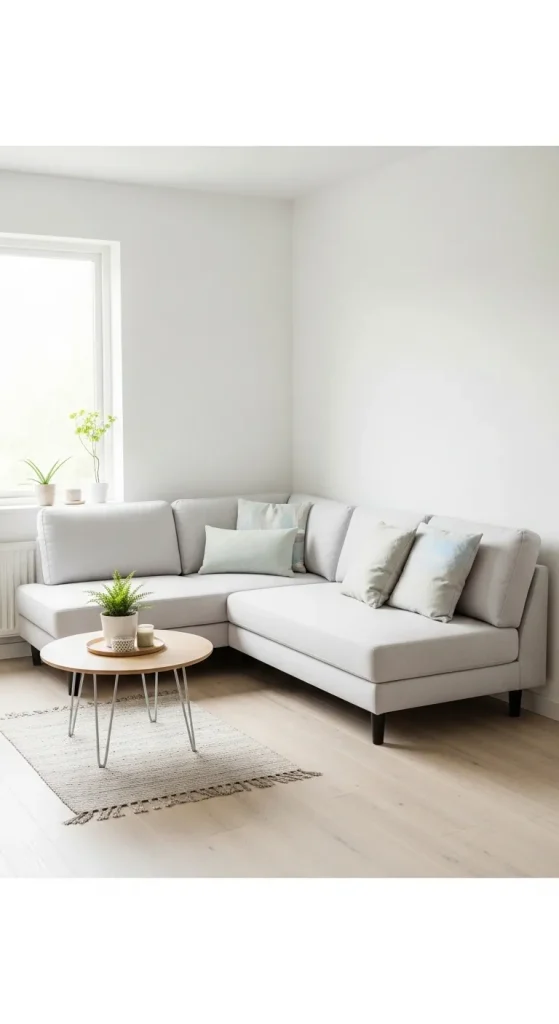
Sectional sofas don’t have to be bulky. Compact L- or U-shaped designs with low backs work well in tiny spaces. They provide ample seating while defining the living area.
Opt for light colors to maintain openness. Some designs come with hidden storage for added functionality.
Maximize Corners
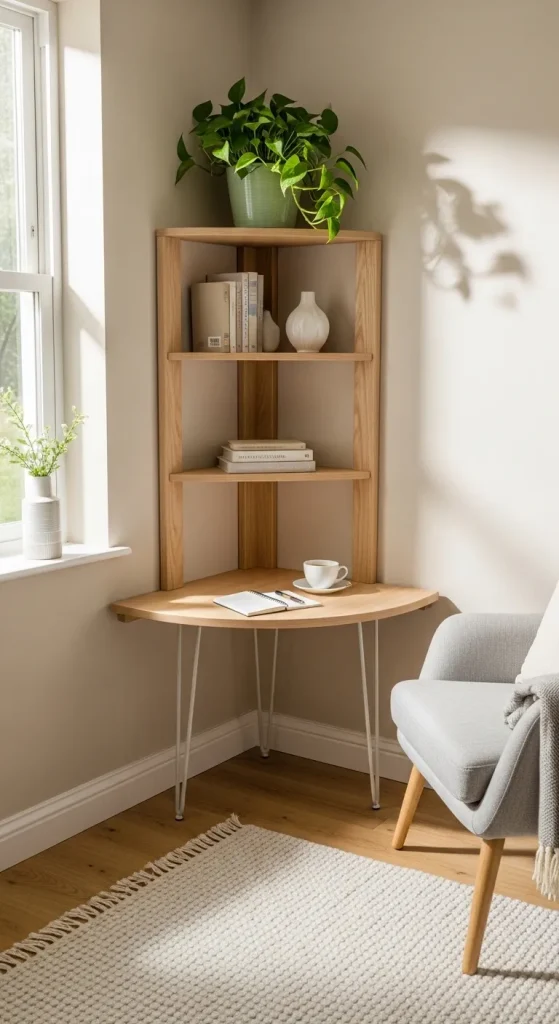
Corners often go unused in tiny living rooms. Place corner shelves, plants, or small corner tables to utilize the space effectively.
Corner seating arrangements can also make the room feel cozy. Smart corner usage improves both storage and visual balance.
See Also: 30 Living Room Chair Ideas for Stylish Homes in 2026
Add a Pop of Color
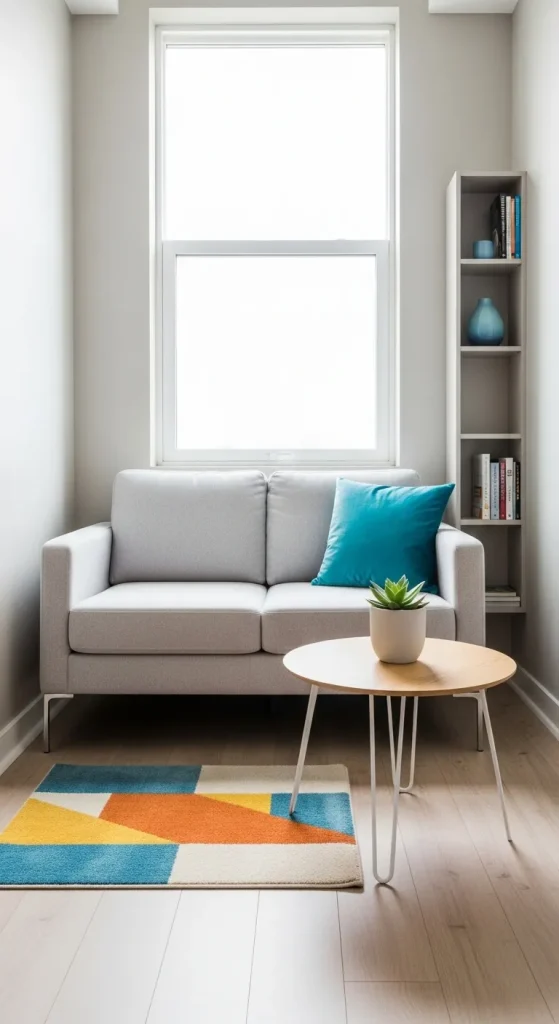
While neutral tones expand the room visually, a small pop of color adds personality. Use colorful cushions, a vibrant rug, or decorative objects.
Stick to one or two accent colors to avoid overwhelming the space. This technique livens up the tiny living room without compromising its airy feel.
Keep Windows Unobstructed
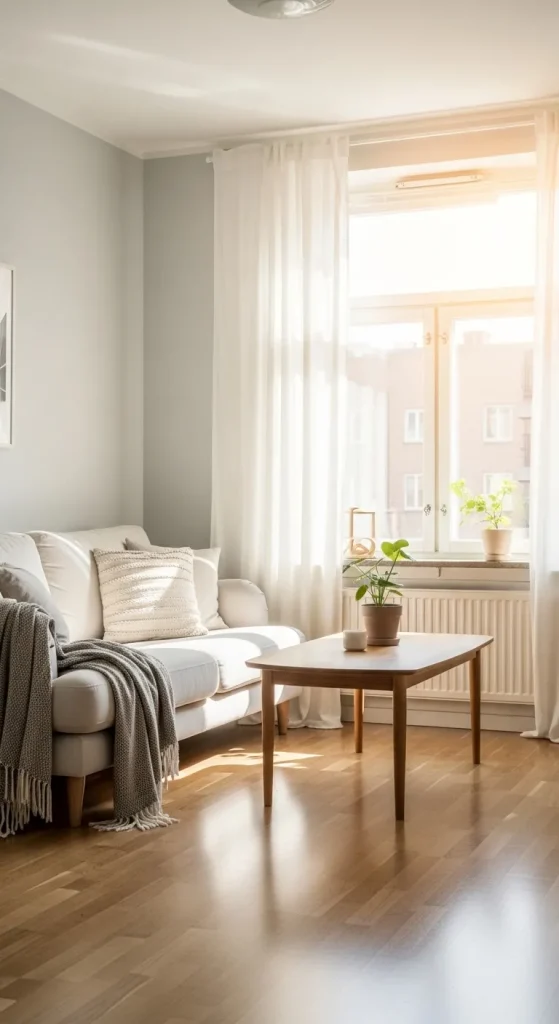
Maximizing natural light is essential in small rooms. Avoid placing large furniture in front of windows. Use sheer curtains or blinds to allow sunlight in.
Natural light enhances openness and makes your tiny living room appear larger. Pair this with light wall colors for best results.
Use Sliding Doors Instead of Swing Doors
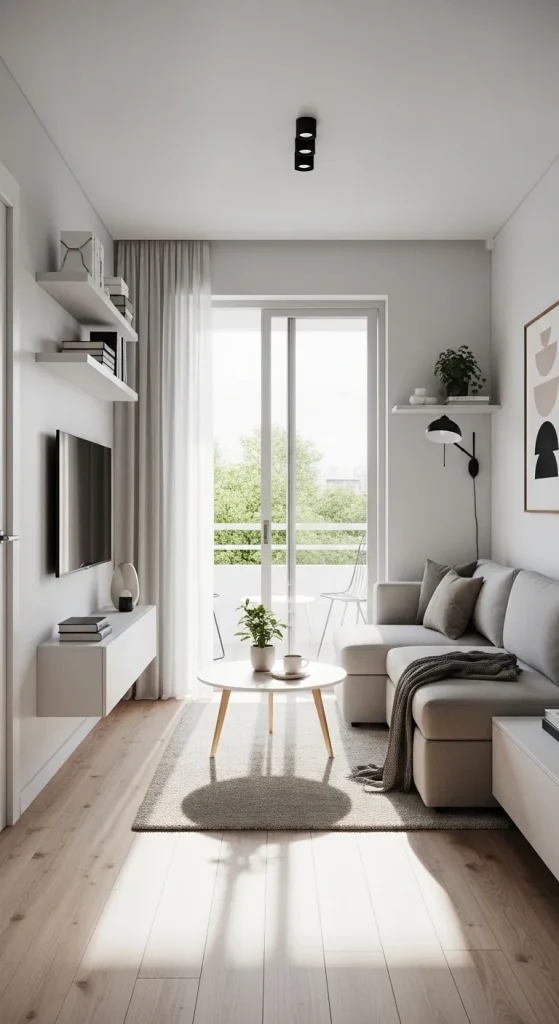
Sliding doors save valuable floor space. If your living room connects to other rooms or a balcony, replace traditional doors with sliding panels.
This design choice opens up the layout and allows for better furniture placement. Sliding doors are practical, modern, and space-efficient.
Add a Compact Home Office Corner
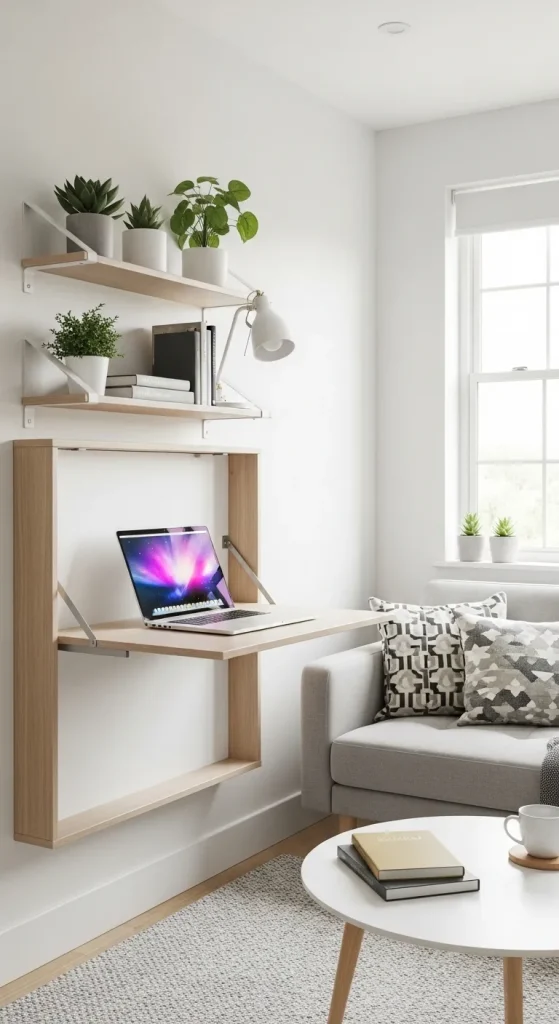
In small homes, living rooms often double as workspaces. Incorporate a small desk or fold-down wall-mounted workstation. Keep it minimal with essential tools only.
Adding multifunctional storage above or around the desk ensures the area remains organized without taking up too much room.
See Also: 27 Scandinavian Living Room Ideas for a Cozy Modern Home
Keep Pathways Clear
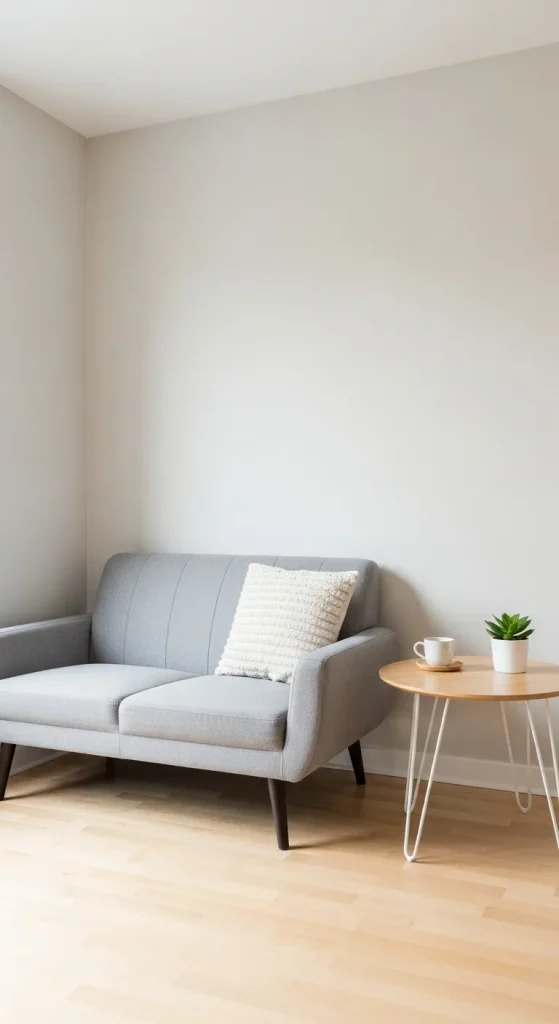
A tiny living room feels more spacious when pathways remain uncluttered. Avoid overcrowding the floor with furniture. Leave enough room to walk freely.
Strategically place furniture along walls or corners. Clear pathways improve flow, make the space feel open, and enhance usability.
Conclusion
Designing a tiny living room is all about smart space planning, thoughtful furniture selection, and intentional decor choices. By using light color schemes, vertical storage solutions, multi-functional furniture, and minimalist styling, even the smallest living space can feel open and comfortable. These tiny living room design ideas prove that limited square footage doesn’t mean limited style. With the right layout and creativity, you can transform your compact living area into a beautiful and highly functional space that feels both spacious and inviting.


