21 Christmas Tree Lights Ideas 2026 (Patterns, Colors & Pro Tricks)

The tree can be perfect and still fall flat if the lights are wrong. Too few and it looks patchy, too blue and it feels cold, strung in a rush and you see wires instead of glow. These christmas tree lights ideas fix all of that. You will learn exactly how many bulbs your tree needs, the placement patterns decorators actually use, the color stories trending for 2026, and the small tweaks that make flocked, slim, tabletop and real trees shine. Lights go on before a single ornament, so this is the one step worth doing slowly. Pair these ideas with the rest of our christmas lights ideas for the room around the tree and the whole setup will look intentional.
A. Get the Basics Right: How Many Lights & Which Bulbs
1. Use the 100-Lights-Per-Foot Rule (The Count That Never Fails)
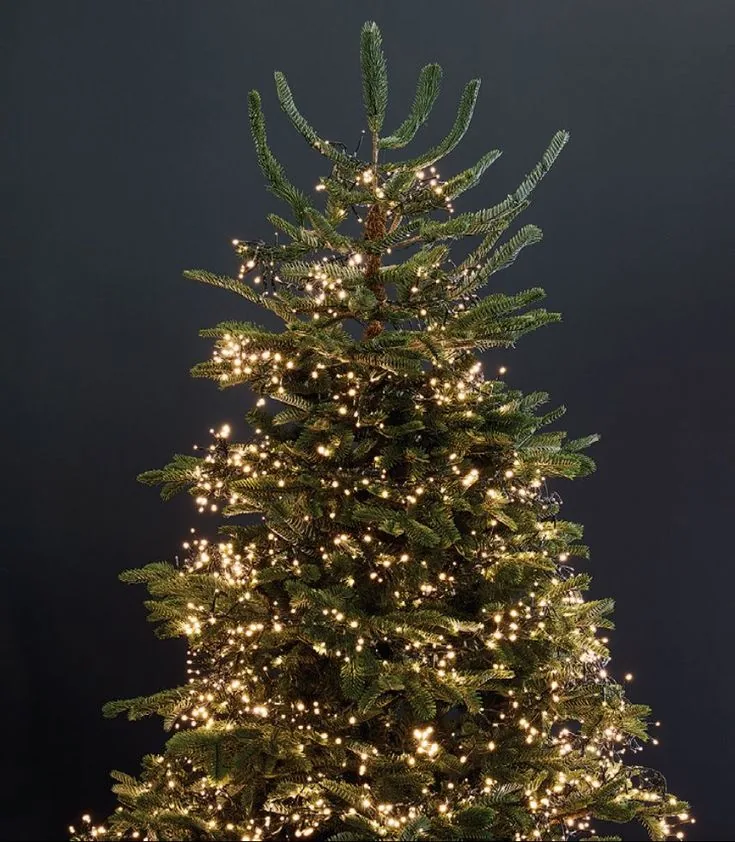
The decorator rule: 100 mini lights for every vertical foot of tree gives that full, magazine-style glow. That means roughly 600 lights for a 6-foot tree, 700 to 800 for a 7.5-foot tree, and 900-plus for a 9-footer. Prefer a softer look? Drop to 50 per foot and the tree still reads festive. Wide, full-profile trees need the higher end of the range, while narrow trees need less. Count your strands before you start, not halfway up a ladder. This suits anyone buying new lights this year: it turns a guessing game into one quick calculation.
2. Pick Warm White at 2700K (And Skip the Blue-White)
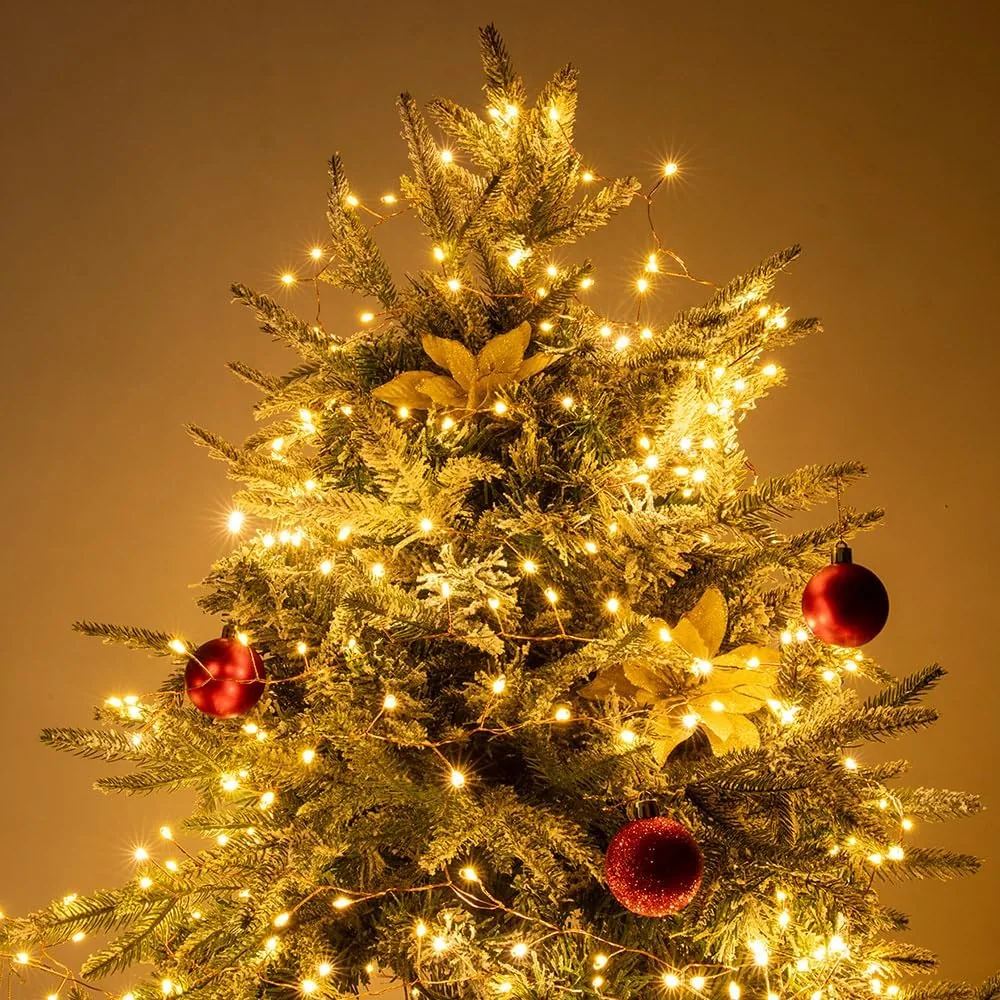
Not all “white” lights are the same color. Check the Kelvin number on the box: 2700K to 3000K gives the soft, candlelit warmth that makes rooms feel cozy, while 4000K and above reads icy blue and clinical in photos. For 2026, warm white is still the most searched and most pinned choice. Buy all strands from the same brand and batch where possible, since brands label warm white differently, and test two brands side by side before committing. This suits traditional, farmhouse and Scandinavian trees, plus anyone who photographs their tree for social media.
3. Match the Wire Color to Your Tree
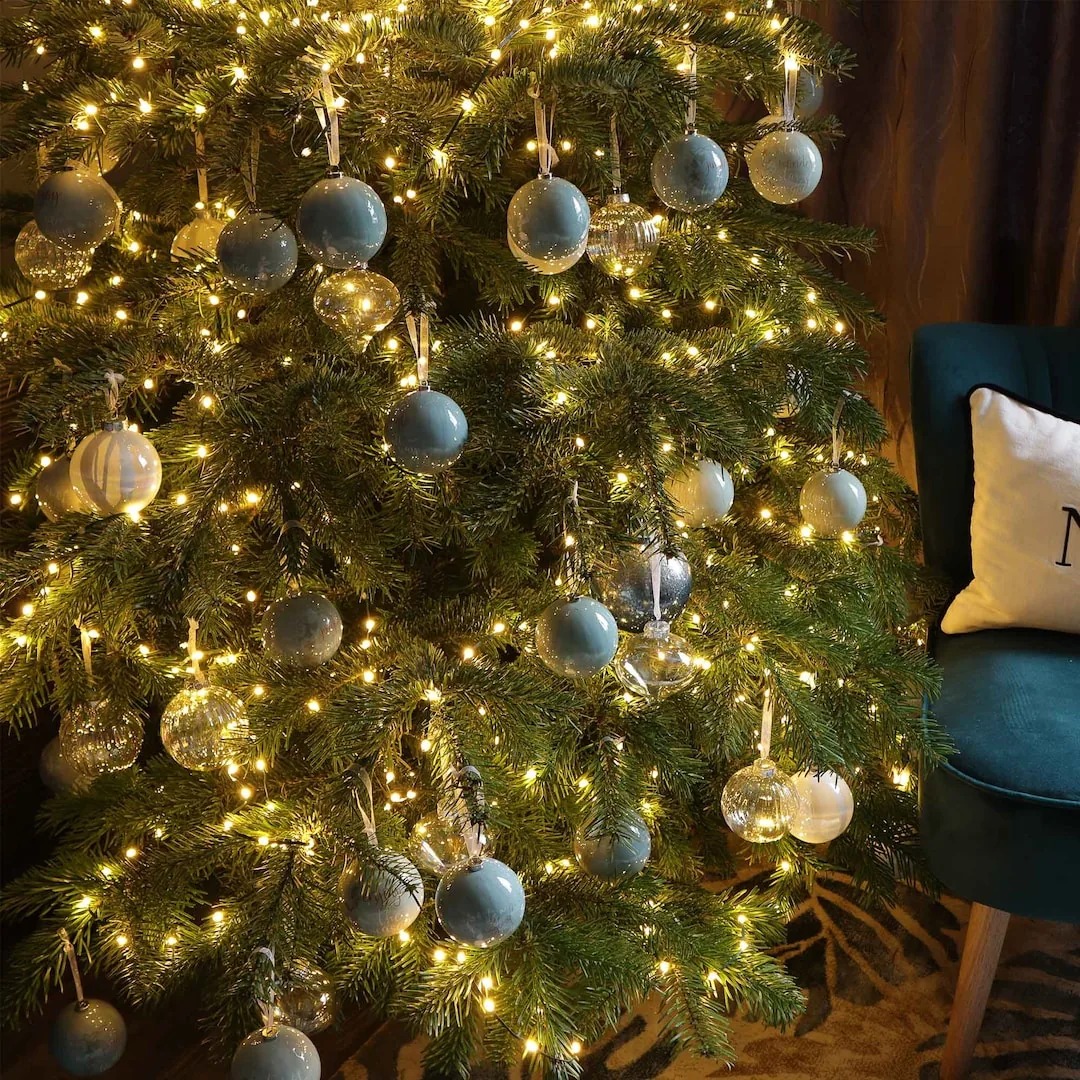
The prettiest light jobs hide the hardware. Green wire vanishes into a green tree, white or clear wire disappears on flocked and white trees, and brown wire blends into a real tree’s branches and trunk. Mismatched wire is the number one reason a tree looks messy in daylight, even when the glow is perfect at night. Already own the wrong color? Weave those strands deepest, near the trunk. This suits perfectionists and flocked-tree owners most, and costs nothing extra when buying new strands.
4. Test Every Strand Before It Touches the Tree
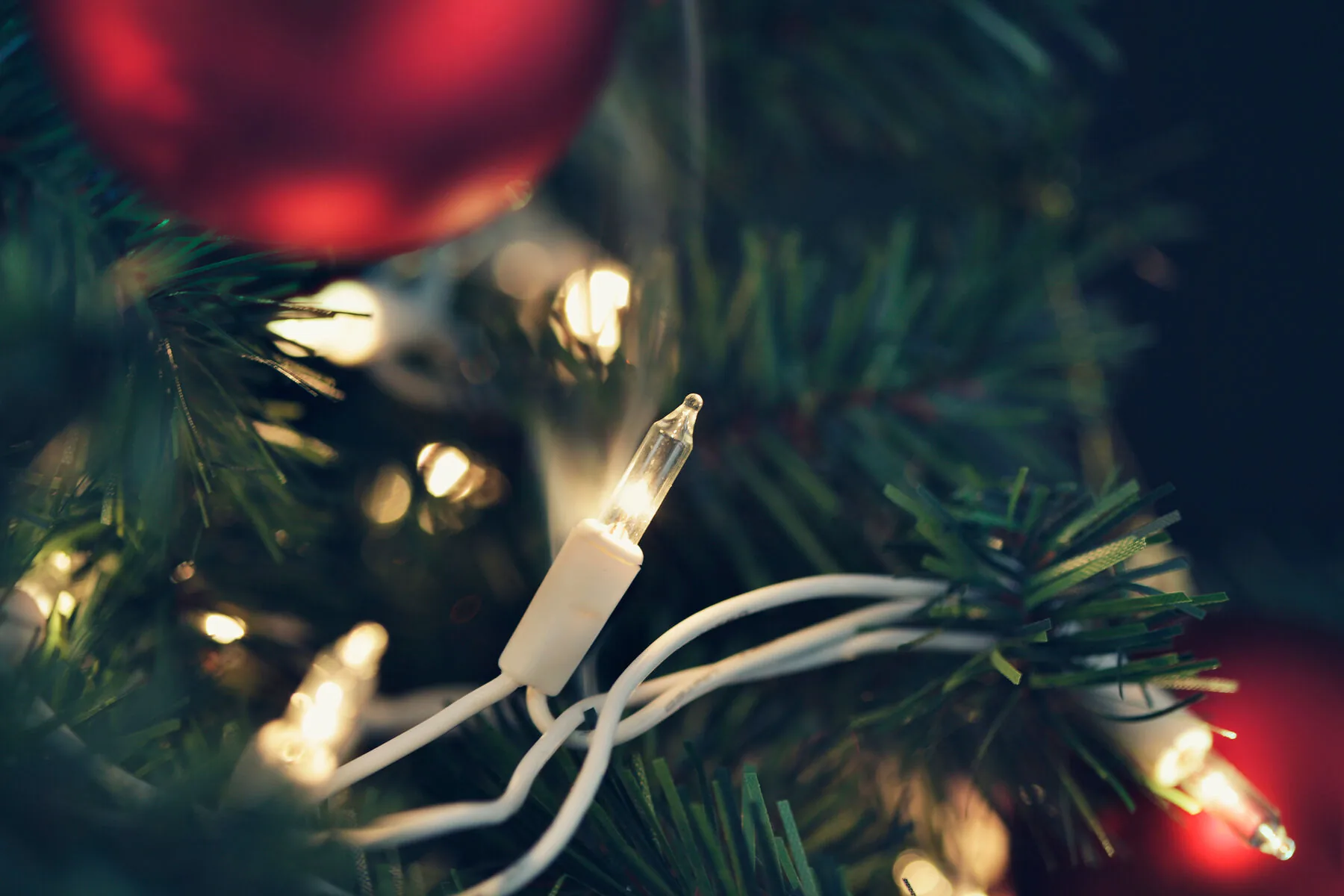
Plug in every strand on the floor first, in a dimmed room, and look for dead sections, flickers and single dark bulbs. Replace spare fuses and bulbs from the box now, not while balancing on a step stool. Fluff and shape all the branches before lighting too, because lit branches are awkward to adjust and you will knock bulbs loose. This habit suits absolutely everyone, and it saves the most time of any tip on this list.
B. Placement Patterns That Change Everything
5. The Classic Spiral Wrap (Even, Reliable, Timeless)
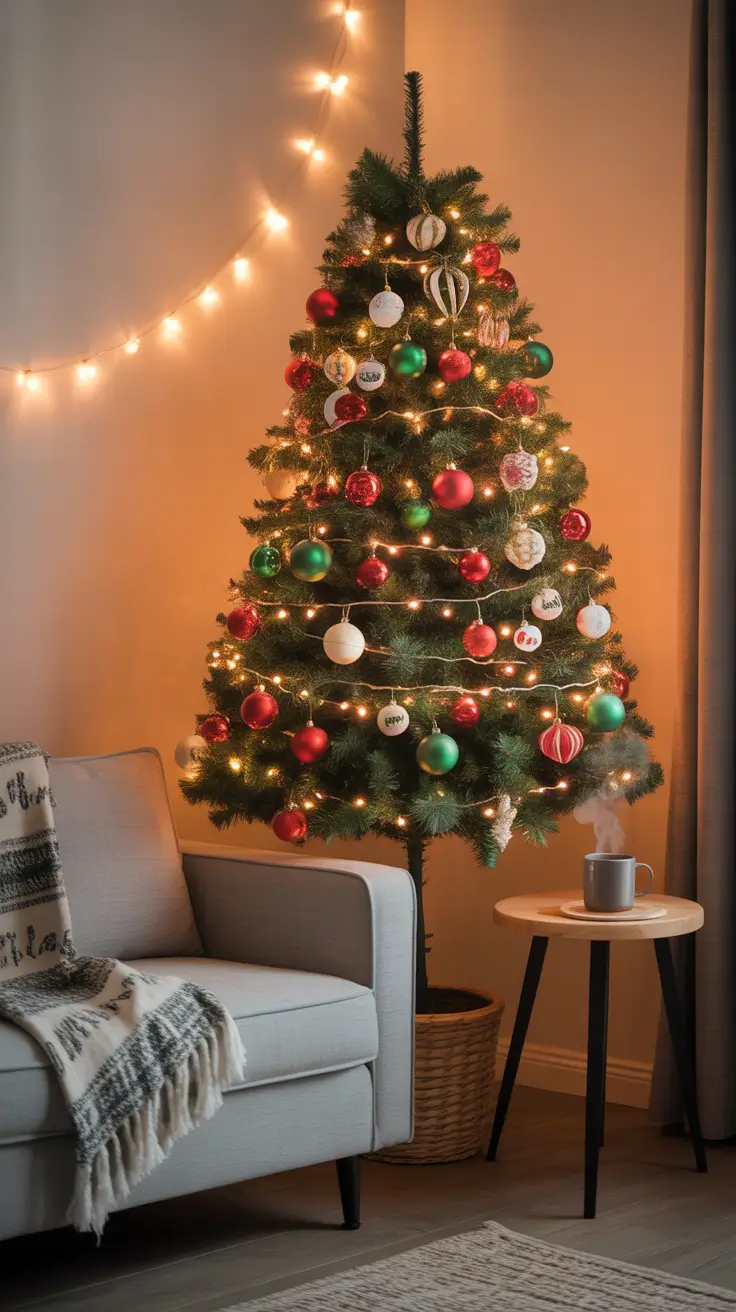
The spiral is the pattern most of us grew up with: start at the top or bottom and circle the tree in even loops, spacing each pass about 8 to 12 inches apart. The trick is to work branch by branch as you go, tucking the strand deep toward the trunk then out to the tips, instead of draping it over the surface. Step back after every two loops to check your spacing before it drifts. This pattern suits full, traditional trees and anyone who wants a dependable result on the first try.
6. Vertical Strands (The Designer Method)
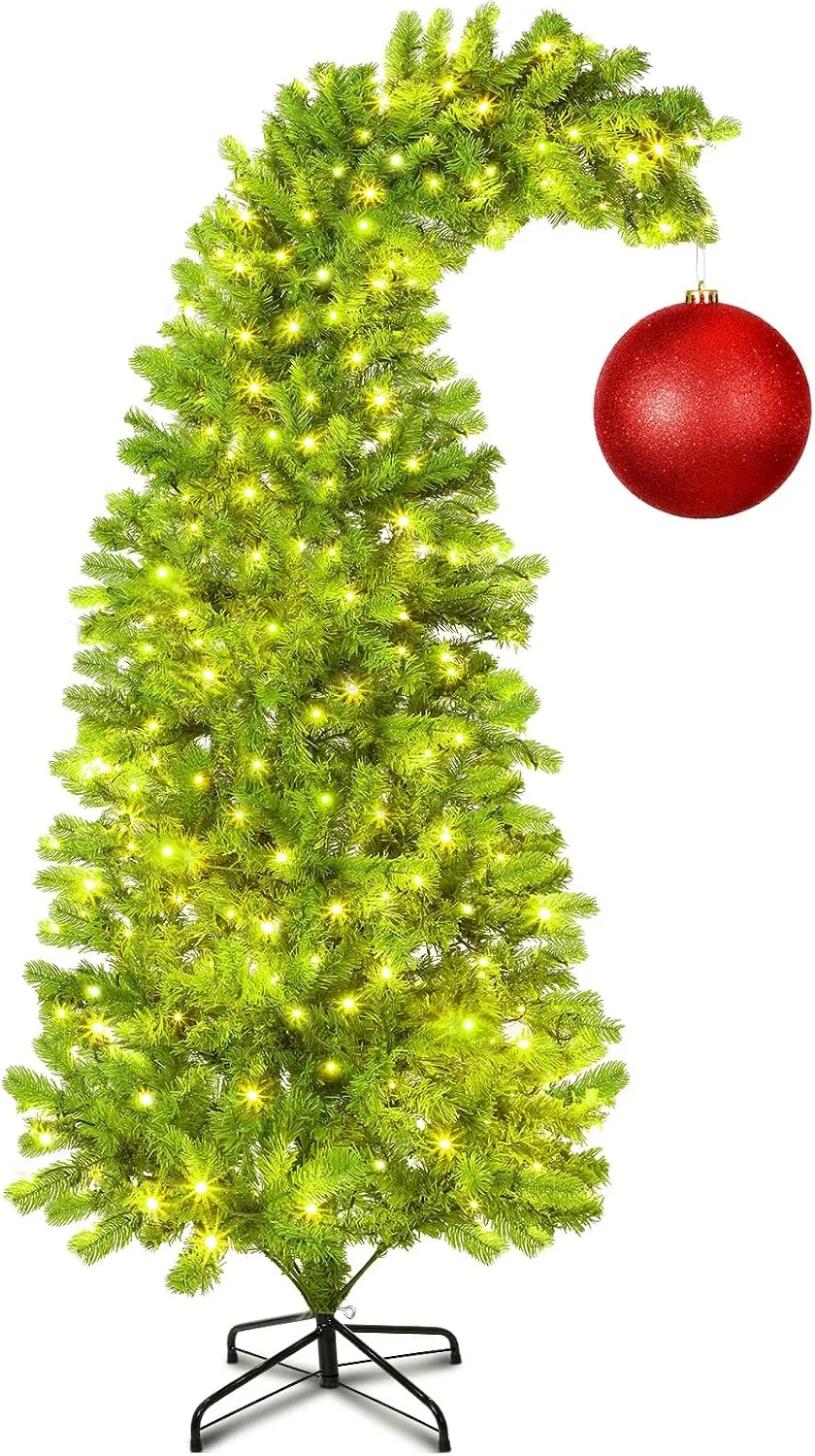
Look closely at department store and hotel trees: strands run straight up and down in vertical columns, not around. Divide the tree into wedges, run a strand up one wedge and down the next, and repeat. The glow looks more even from the front, there are no sagging horizontal lines, and removal in January takes minutes because nothing is wound tight. Vertical lines also make a tree look taller and slimmer. This pattern suits modern rooms, design-led decorators and slim trees, and adjusting one section later is easy.
7. Weave Trunk to Tip for Real Depth
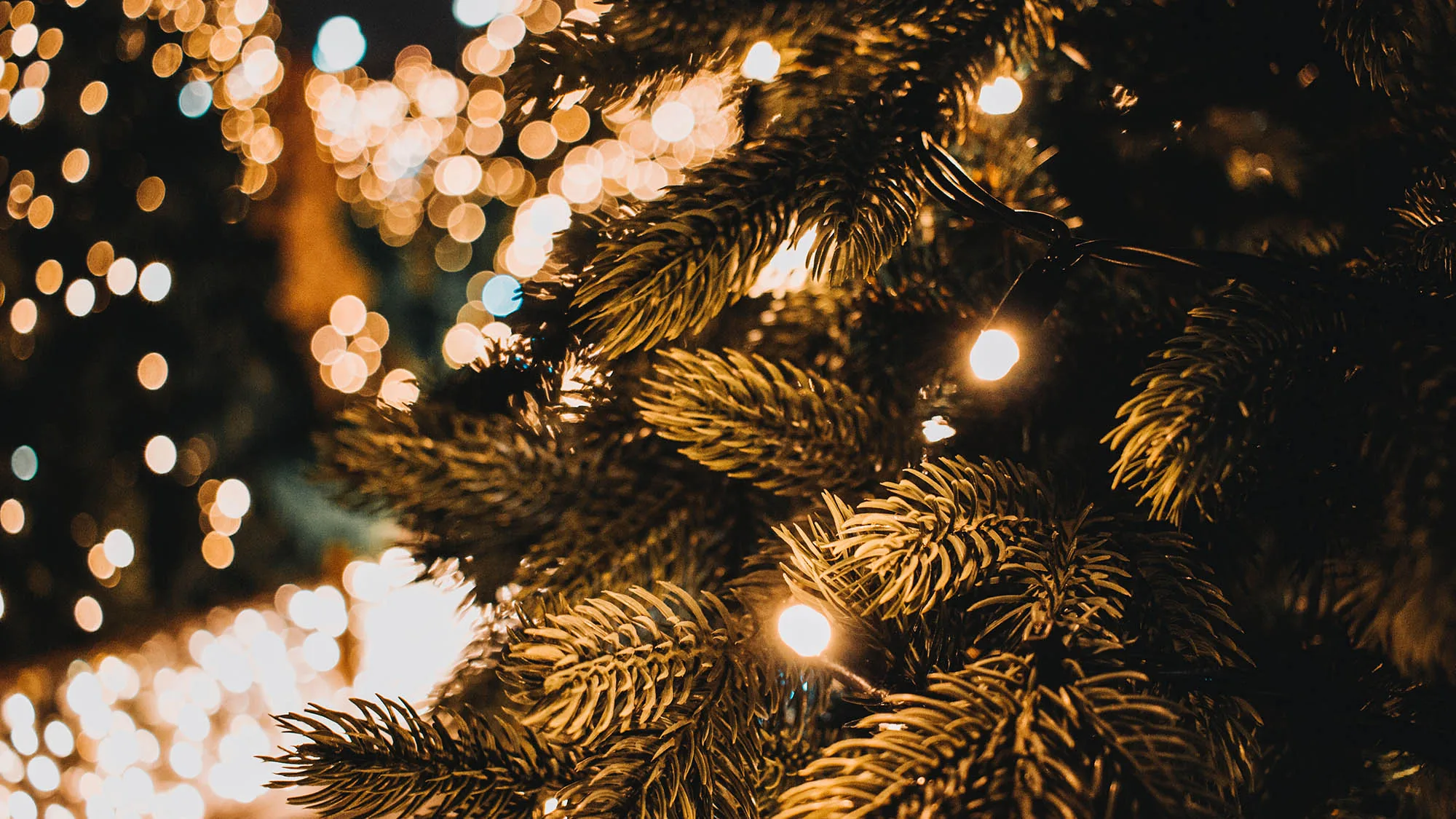
A tree lit only on its surface looks flat, like a picture. The depth trick is to light each branch in a zigzag from the trunk outward, so bulbs sit at three depths: deep by the trunk, mid-branch, and at the tips. That inner layer glows through the branches and makes the whole tree look fuller and more expensive. Expect to use about 20 percent more lights than the basic rule. This technique suits sparse or real trees with visible gaps, and anyone chasing that rich showroom finish.
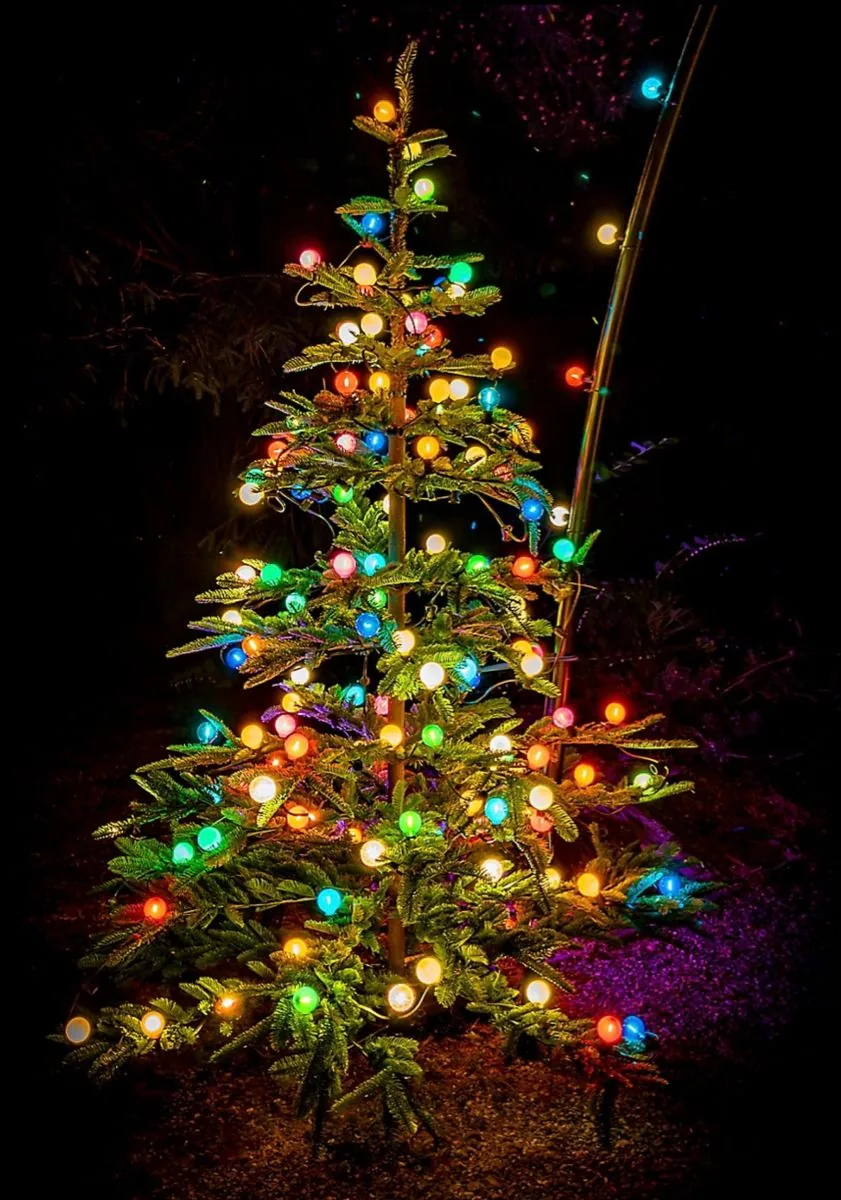
8. Light in Three Zones (Clusters, Not a Perfectly Even Spread)
Perfectly even light can look a little sterile. Instead, divide the tree into three horizontal zones and vary the density on purpose: brightest through the middle where ornaments cluster, slightly softer at the top, and a warm pool of light at the base above the gifts. Add clusters of extra bulbs wherever a feature ornament or ribbon cascade will sit, so the decor gets a spotlight. Stand across the room and squint; the tree should read as gentle waves of brightness, not a uniform sheet. This suits styled, themed trees and anyone who decorates with statement pieces.
9. The Zigzag for Front-Facing and Corner Trees
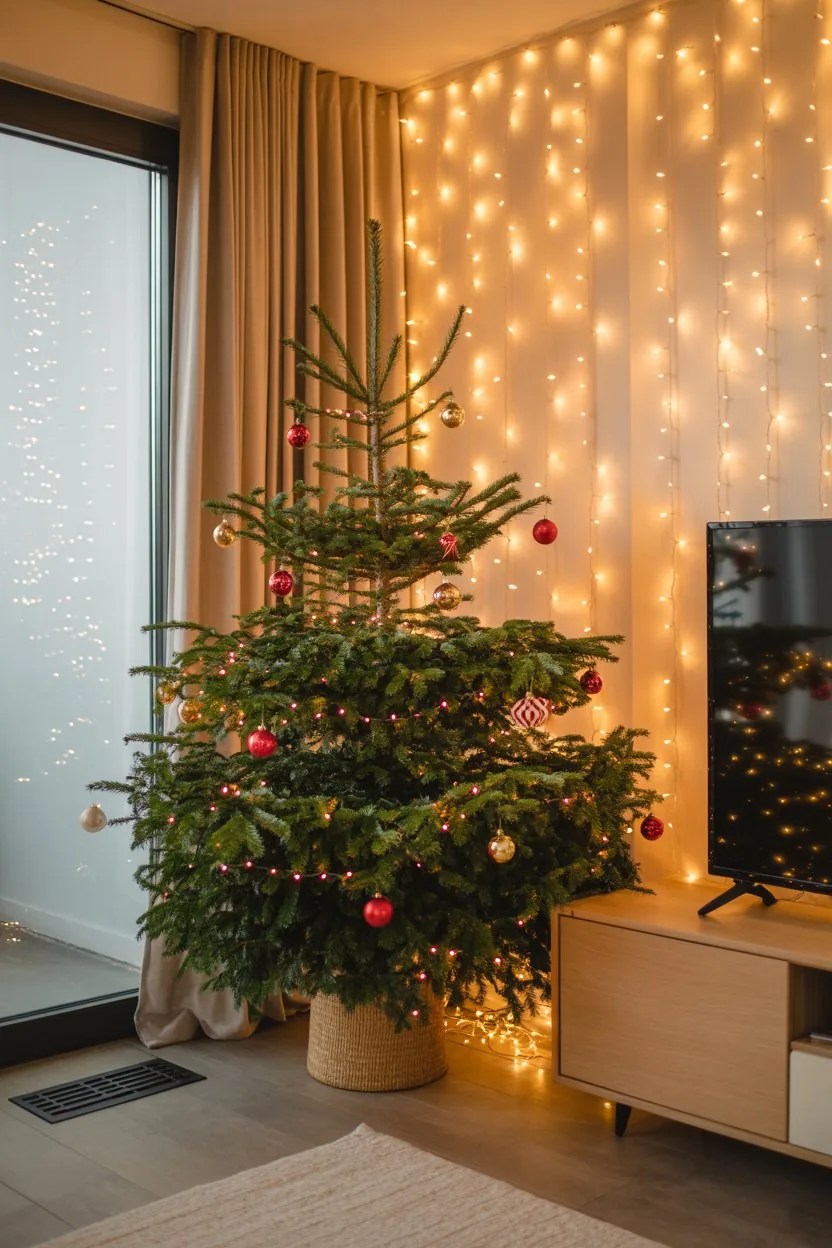
If your tree sits in a corner or against a wall, nobody sees the back, so stop lighting it. Run your strands in a zigzag back and forth across the visible front only, pushing the ends slightly around the sides so the edges do not look cut off. You will use about a third fewer lights, finish faster, and the front looks brighter because every bulb does visible work. This suits apartment trees, corner placements and anyone short on strands or patience.
C. Color Stories & Twinkle Effects
10. All Warm White (The Timeless Monochrome Look)
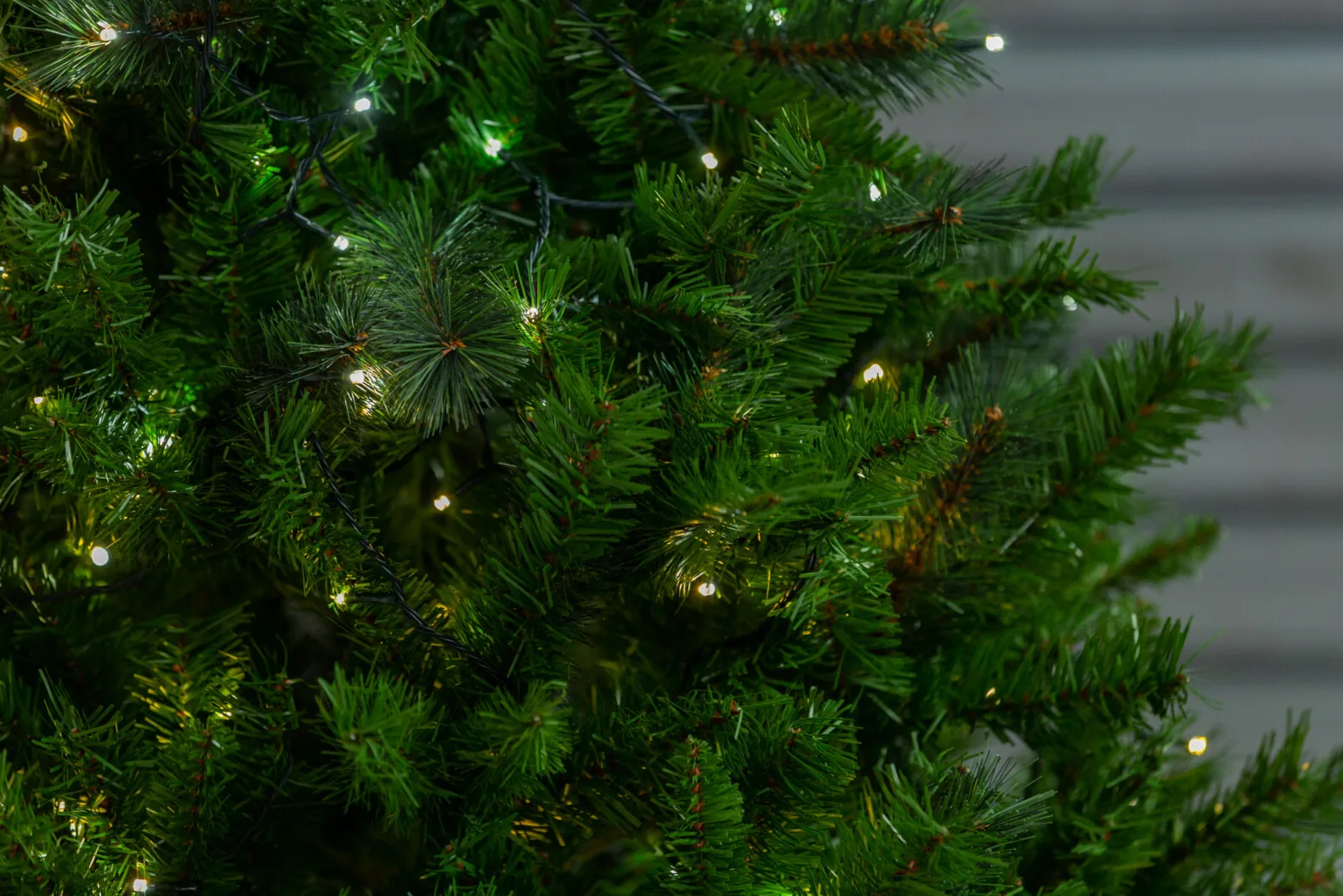
One color, done well, never dates. An all-warm-white tree works with every ornament palette, room color and decorating style. To keep a single color from looking flat, vary the bulb sizes: a base of mini lights plus one strand of larger globe or C9 bulbs adds rhythm without adding color. Keep every strand the same Kelvin so the tree reads as one calm glow. This suits minimalists, neutral and Scandinavian schemes, and anyone who changes their ornament colors each year but wants the lights to stay.
11. Full Multicolor (Pure Nostalgia, Done Right)
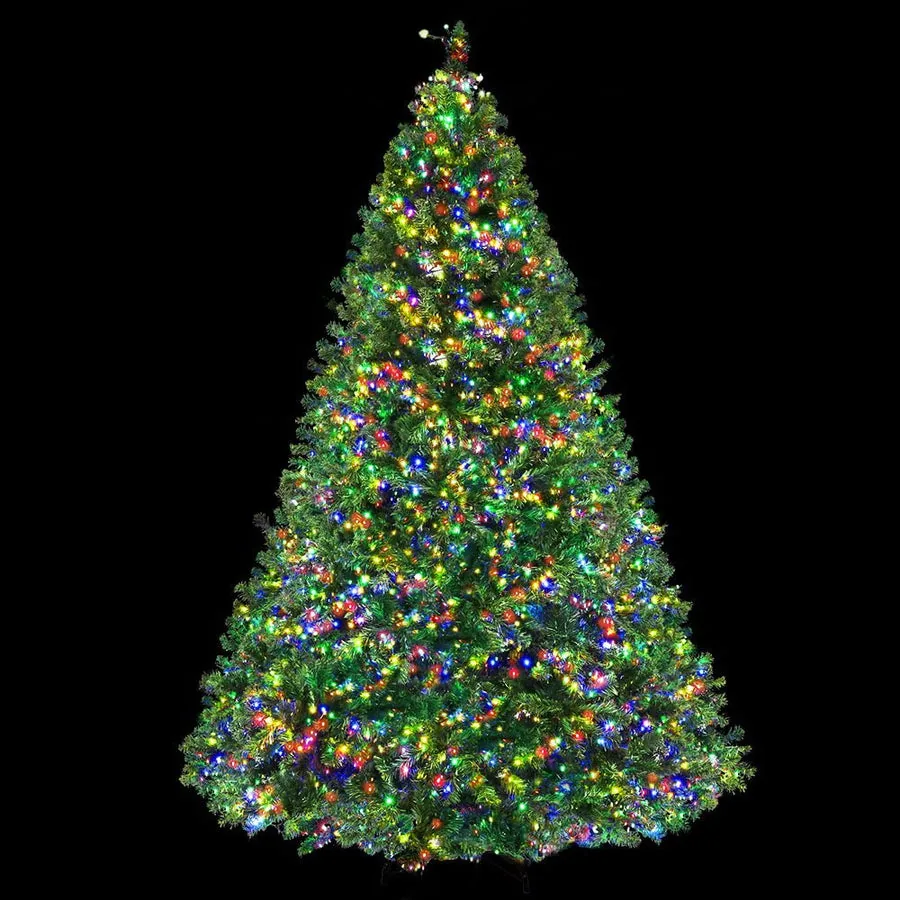
Multicolor is back for 2026, driven by pure nostalgia for the family trees of the 80s and 90s. The modern way to do it: choose larger C7 or C9 style LED bulbs in the classic red, green, blue, gold and pink mix, and keep ornaments simpler so the color stays the star. Warm-toned multicolor sets look richer than icy bright ones, so check product photos carefully. This suits family homes, retro themes and anyone whose favorite Christmas memories are lit in rainbow colors.
12. Two-Tone Mixing (Warm White Plus One Accent Color)
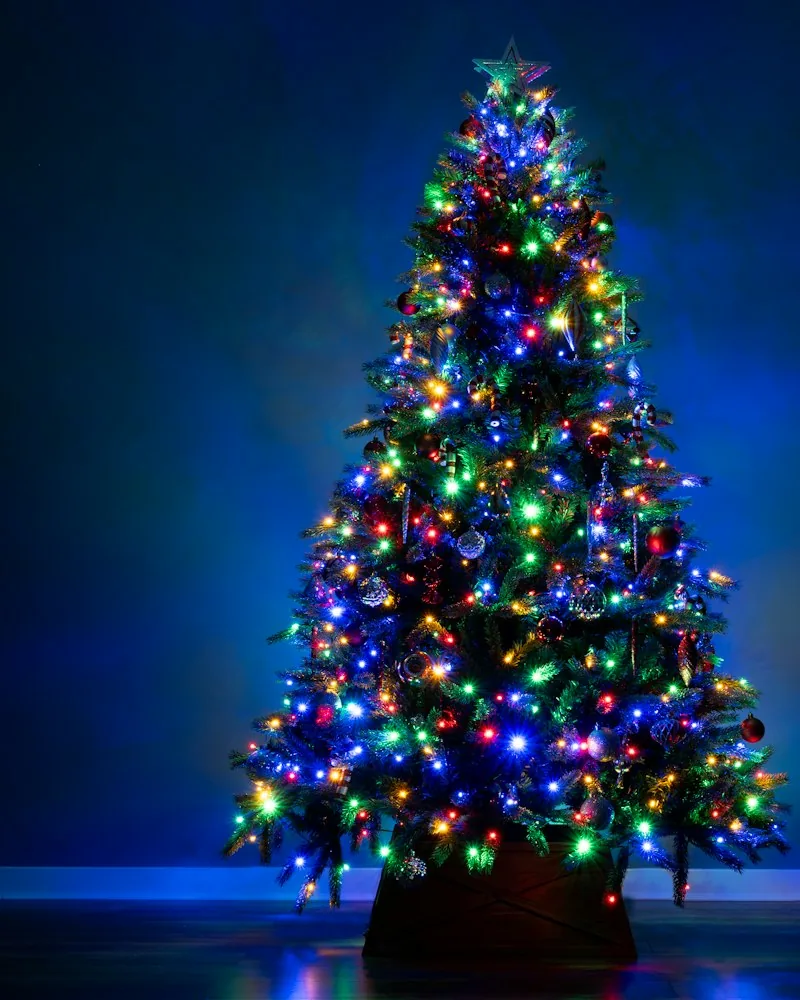
Cannot decide between calm and color? Split the difference with a 70/30 mix: about seventy percent warm white strands and thirty percent of one accent color, such as red, gold or soft pink. Weave the color evenly, and echo the accent in your ornaments and ribbon so the tree looks designed, not indecisive. This is the easiest way to tie lights into a wider theme, and there are plenty of christmas tree themes built around a single accent. This suits decorators who love a coordinated look but find all-white a little quiet.
13. Mix Steady Strands With a Few Twinkles
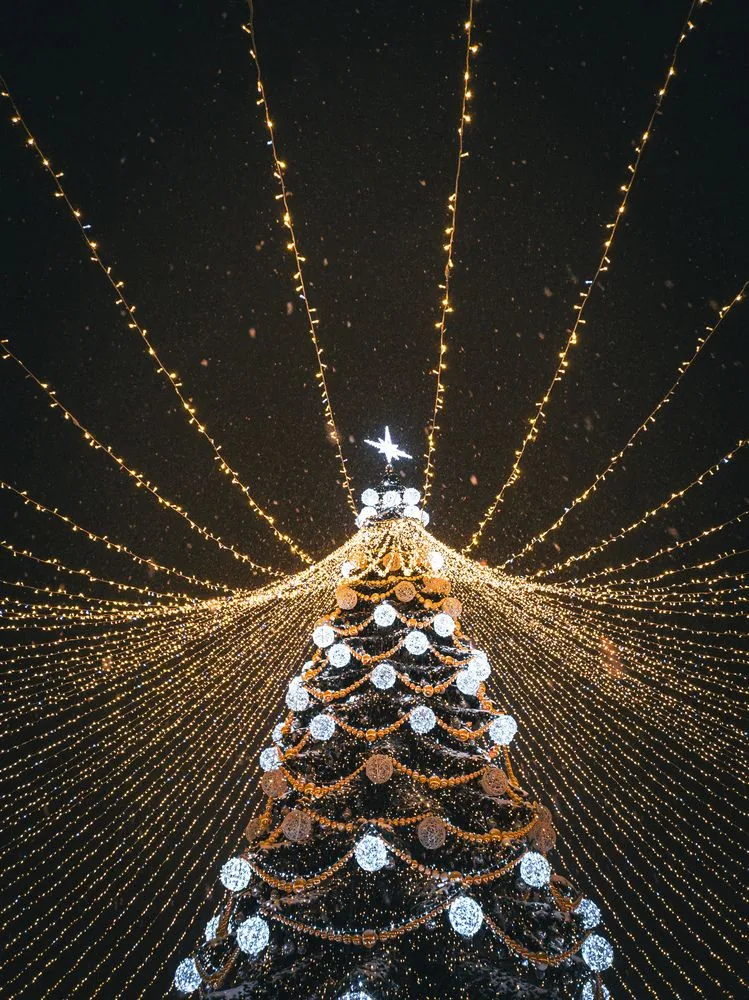
A whole flashing tree feels like a shop display; a hint of movement feels magical. The recipe: keep three or four steady strands as your base, then add just one twinkle strand, the kind where roughly one bulb in ten shimmers gently. The eye catches soft sparkles here and there, like candlelight, without any frantic blinking. Place the twinkle strand mid-depth so the effect glows through the branches instead of sitting on the surface. This suits elegant, romantic trees and anyone who wants their tree to look alive in videos and evening photos.
14. Color-Changing Smart Lights (Two Looks, One Tree)
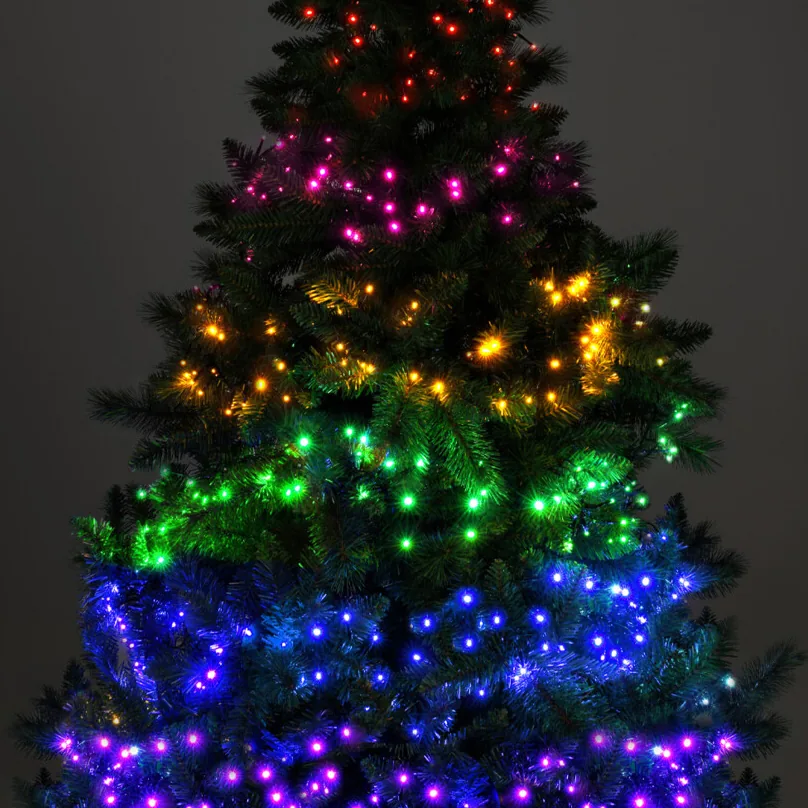
Smart light strands and pre-lit trees with color-change modes let you switch from warm white for dinner to full color for a party with one tap. Many sets add schedules, dimming and gentle fade effects that solve the harsh on-off look of basic timers. The trade-offs are price and strand length: smart sets often max out shorter than classic strands, so measure your tree’s needs against the 100-per-foot rule before buying. This suits gadget lovers, families with kids, and households that host a lot.
D. By Tree Type: Flocked, Slim, Tabletop & Real Trees
15. Flocked Trees Need White Wire and Extra Depth
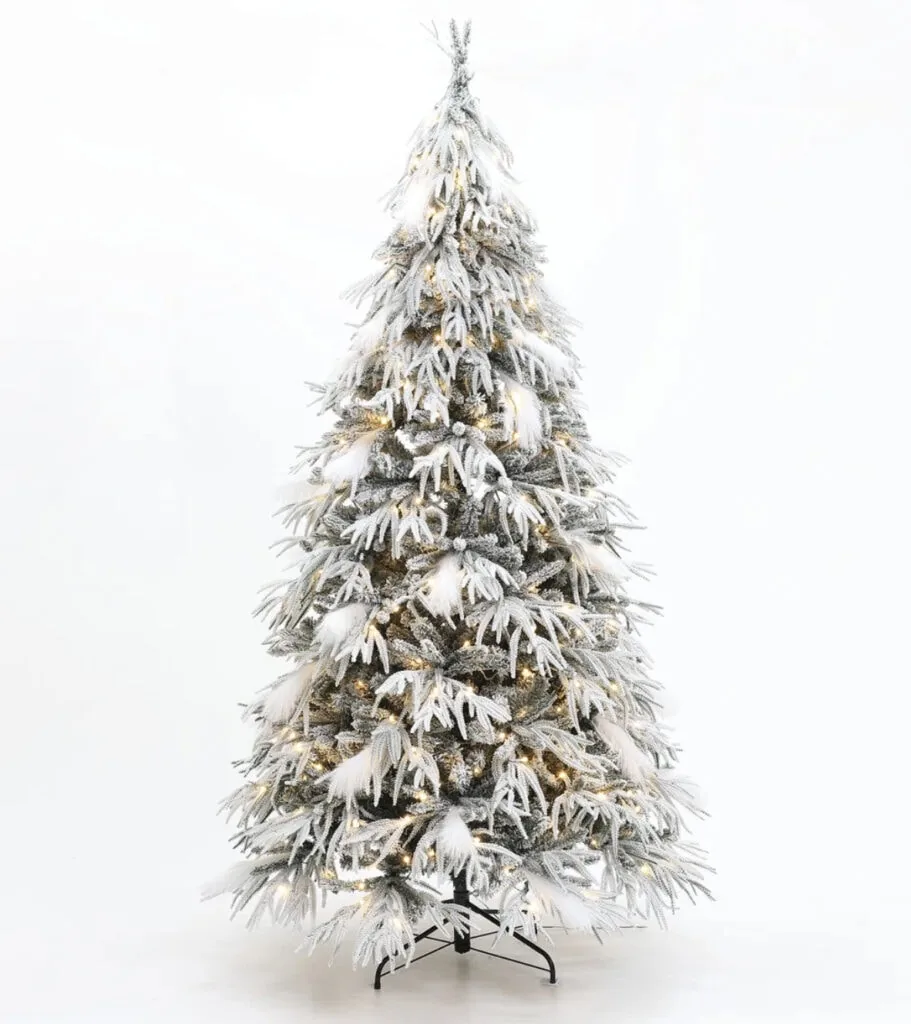
Flocking changes the lighting rules. White or clear wire disappears into snowy branches, while green wire shows through the white coating and looks dirty. Stick with warm white bulbs too, because multicolor can make flocking look tinted and cheap in person. Push each bulb slightly deeper than you would on a green tree so the glow seems to come from inside the snow, and brush loose flocking off the bulbs as you go so nothing dulls the light. This suits flocked and white tree owners, and winter-wonderland fans.
16. Slim and Pencil Trees: Go Vertical, Go Lighter
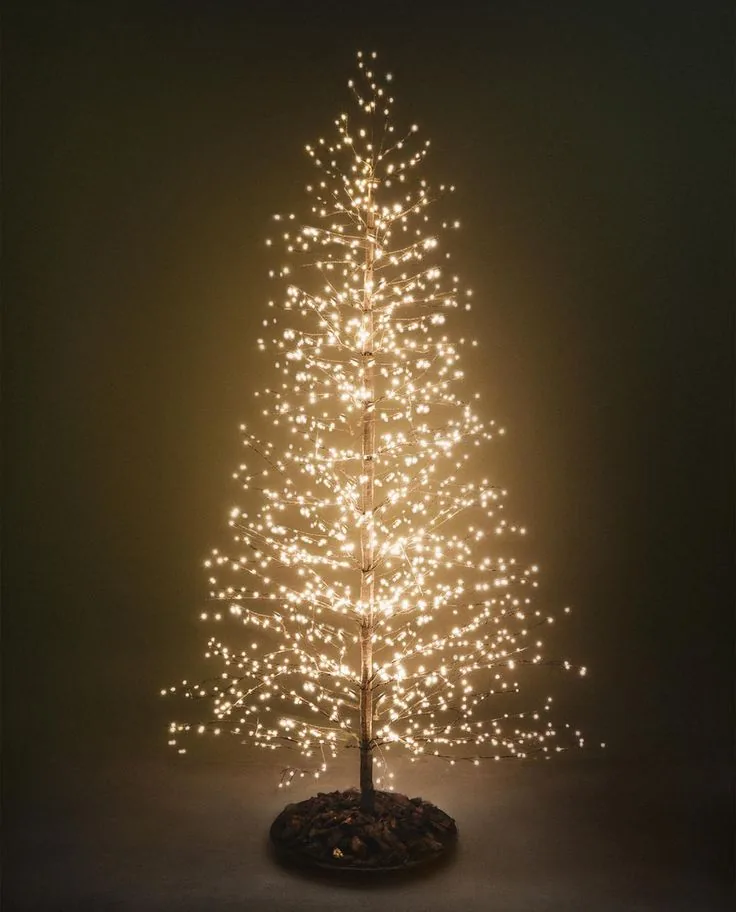
A slim tree has far less branch volume, so the full 100-per-foot rule can overwhelm it. Start with 50 to 75 lights per foot and add more only if you see gaps; the narrow profile shows every bulb, so fewer go further. The vertical strand pattern from idea 6 is perfect here, since it emphasizes the tree’s height and keeps the silhouette clean. Skip bulky C9 bulbs, which dwarf a pencil frame; stick to minis or small globes. This suits apartments, hallways, dining room corners and anyone decorating a second tree in a tight space.
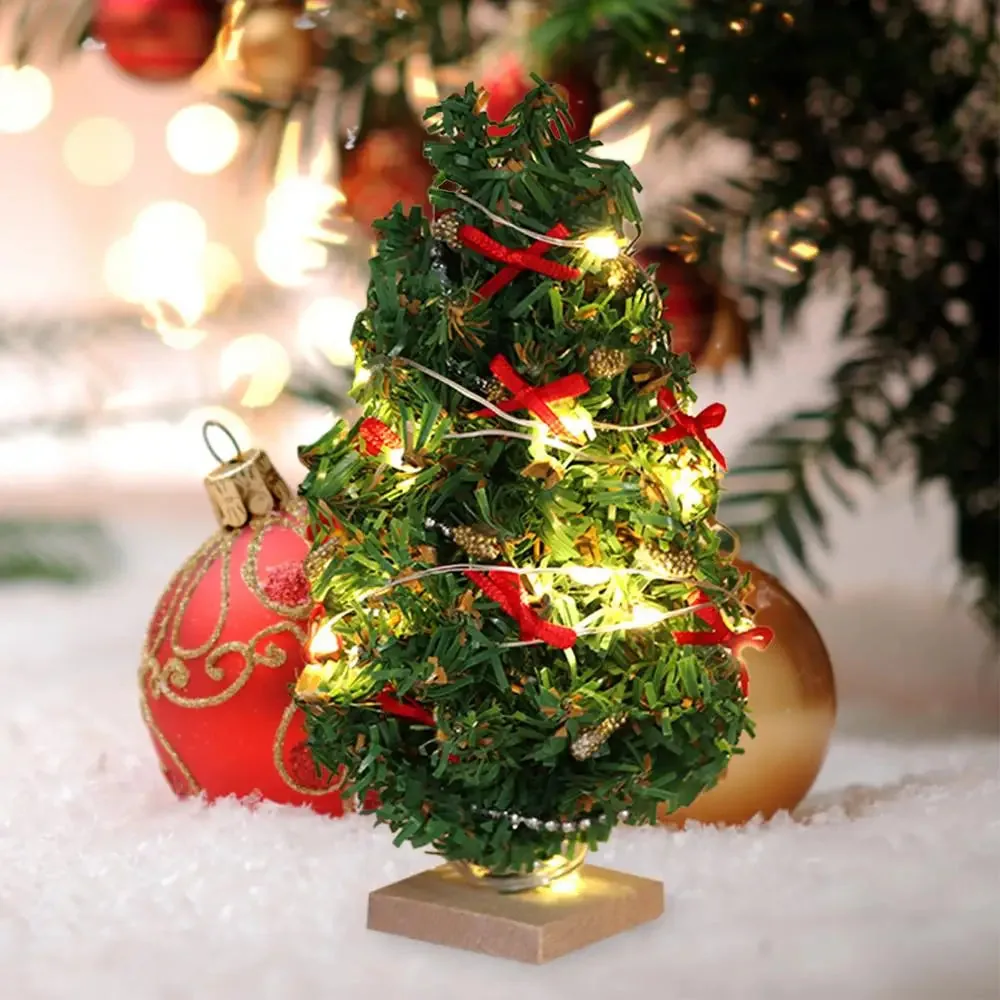
17. Tabletop Trees Love Battery Fairy Lights
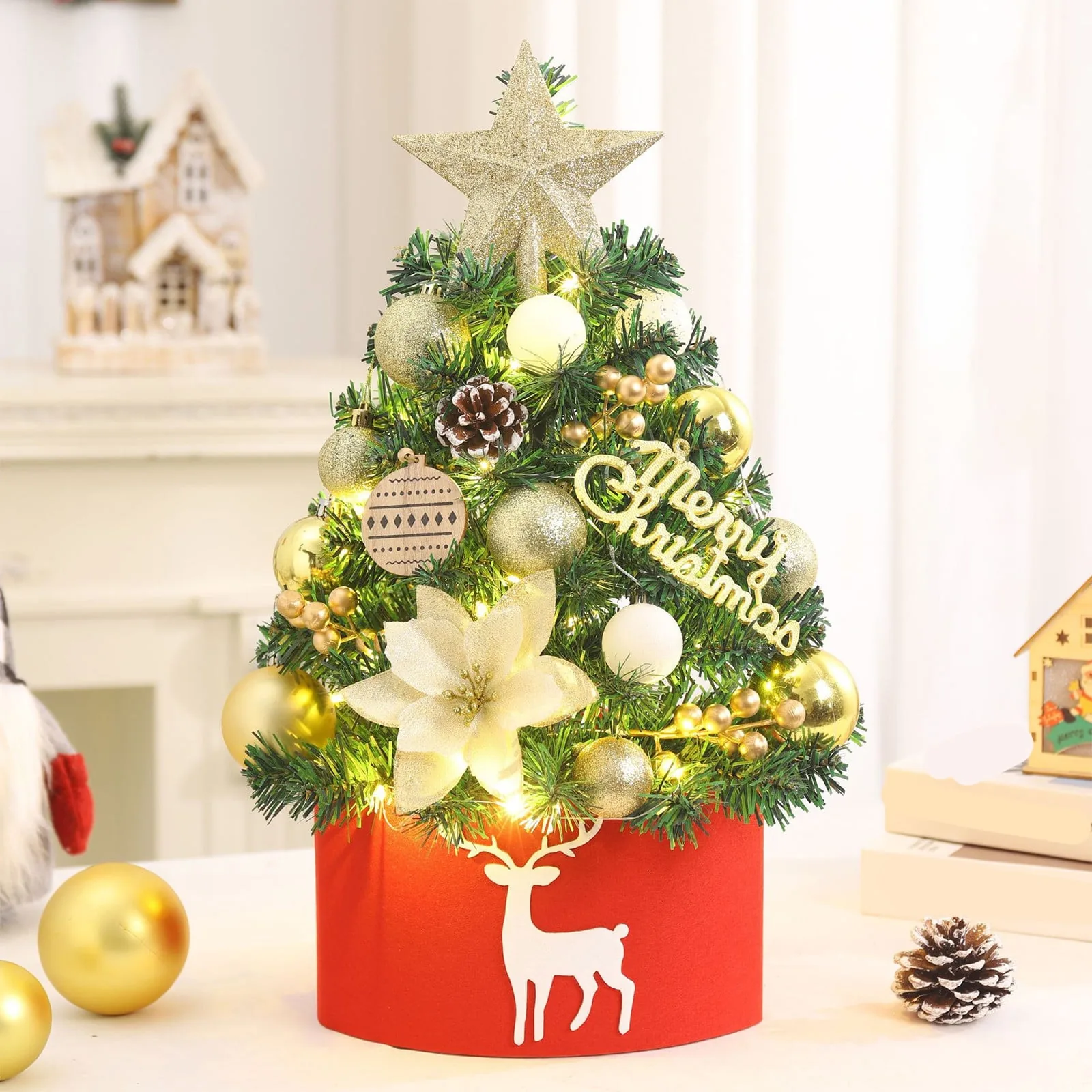
For a mini tree, skip plug-in strands entirely. A single set of 20 to 50 micro LED fairy lights on fine copper or silver wire wraps a one to three foot tree beautifully, and the wire itself nearly disappears. The battery pack tucks into the pot or skirt, so no cord trails across the table, and timer packs switch on for six hours each evening. Keep the scale right: fairy lights only, no chunky bulbs. This suits desks, kitchen counters, kids’ bedrooms, entryway consoles and anyone adding small trees around the house.
18. Real Trees: LEDs Only, and Keep Them Cool

Fresh-cut trees and electricity need one firm rule: LEDs only. LED bulbs run almost completely cool, while old incandescent minis warm up enough to dry needles faster and raise fire risk on a thirsty tree. Keep the stand topped up with water daily, since a hydrated tree is a safer tree, and check cords for damage before they go anywhere near branches. Route plugs where they cannot sit in spilled water, and switch the tree off overnight and when you leave the house. This suits every real-tree household, especially anyone using inherited incandescent strands.
E. Pro Fixes, Safety & Storage
19. Fix Dark Spots With a Cluster-Light Second Pass
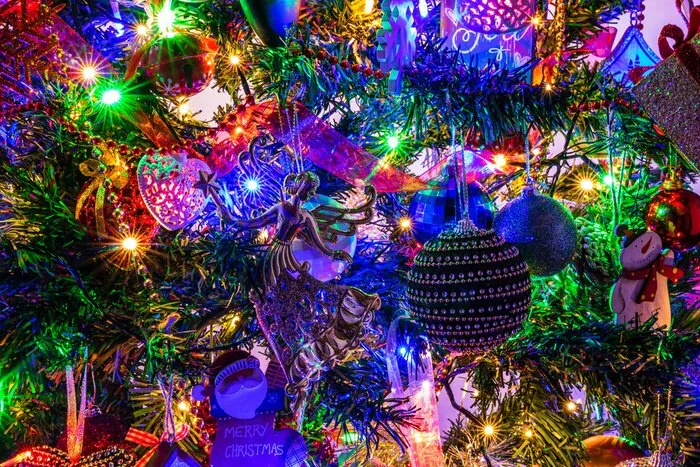
Finish the main lighting, wait for evening, then stand back and hunt for holes. Every tree has them: a shadowy patch where branches hid the strands. Instead of restringing, do a targeted second pass with a short cluster or net-style strand pushed into just those gaps, or add a few large globe bulbs where the darkness is worst. Squinting helps here: it blurs detail and leaves only the brightness map. Two or three small fixes make the difference between a good tree and a great one. This suits perfectionists and anyone photographing or filming their tree.
20. Follow the Three-Strand Safety Rule
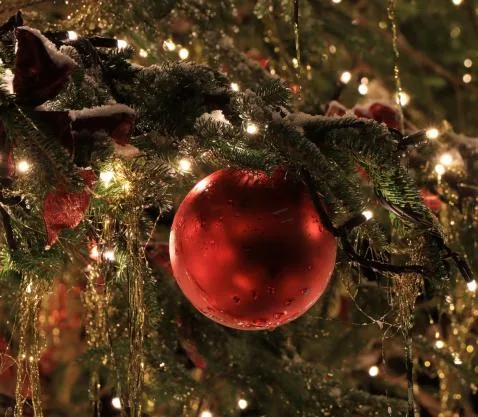
Most light strands are rated to connect a maximum of three sets end to end, and the box will say so; exceeding it overheats wires and blows fuses. Never mix old incandescent strands with LED ones on the same run, choose UL or ETL listed sets and retire anything frayed, cracked or scorched. Plug into a timer or switched outlet so the tree never glows unattended all night, and keep connections off the floor, away from tree water and pet bowls. This suits every household, no exceptions, and it takes five minutes.
21. Store Lights Tangle-Free on Cards and Reels
January storage decides how easy next December will be. Wrap each strand around a flat piece of cardboard, a clothes hanger or a cheap storage reel, working from plug to end so it unwinds in the right order. Drop each wrapped strand into its own zip bag and label it with the bulb count, color and which tree it fits. Test strands before you pack them away, not after, so faulty sets get replaced in the January sales. This suits anyone who has ever spent an hour untangling a lights knot and sworn never again.
Quick Checklist
- Count first: 100 mini lights per foot for a lush glow, 50 per foot for a softer look
- Choose warm white at 2700K to 3000K for a cozy, photo-friendly tree
- Match wire color to the tree: green on green, white on flocked, brown on real
- Test every strand and fluff branches before lighting
- Pick one pattern: spiral, vertical, trunk-to-tip weave, zones or front-only zigzag
- Color: all warm white, full multicolor, or a 70/30 two-tone mix
- Movement: one twinkle strand per three or four steady strands
- Flocked trees: white wire, warm white only, bulbs pushed deeper
- Slim and tabletop trees: fewer lights; battery fairy lights for minis
- Real trees: LEDs only, water daily, off overnight
- Max three strands end to end; retire frayed sets
- Wrap, bag and label strands before storing
FAQ
How many lights do I need for a 7-foot tree?
For a full, bright glow, plan on about 700 mini lights using the 100-per-foot rule. A 7-foot tree with a wide profile can happily take 800, while a slim 7-footer looks great with 400 to 500. If you prefer a softer, Scandinavian feel, 350 to 400 is plenty. Buy one spare strand: matching brand and color temperature later is harder than returning an unopened box.
Warm white or multicolor: which is trending for Christmas 2026?
Both. Warm white remains the most popular overall and dominates Pinterest-style trees because it flatters every ornament color. Multicolor is the fast-growing trend for 2026, powered by nostalgia and larger retro-style bulbs. The safe middle path is the two-tone mix: mostly warm white with about thirty percent of one accent color woven through.
Vertical or spiral lights: which pattern looks better?
Neither is better. The spiral is warmer, more traditional, and forgiving on full trees. Vertical strands look cleaner and more modern, make a tree appear taller, and are much faster to remove. If your tree is slim, in a corner, or you hate the January takedown, go vertical. If it is a big, classic centerpiece tree, the spiral looks richest.
Should I buy a pre-lit tree or string my own lights?
Pre-lit trees win on convenience and factory-fitted lights. Stringing your own wins on control and cost: you choose the exact color temperature, pattern and density, and replacing a failed strand is cheap instead of losing a whole tree section. If you love changing looks or using ideas like two-tone mixes and twinkle strands, an unlit tree plus your own lights is the flexible choice.
Are LED Christmas tree lights safe to leave on?
LEDs are the safest option because they run cool, use little power and carry far less fire risk than incandescent bulbs, especially on real trees. Safe does not mean unattended forever. Turn tree lights off overnight and when you leave home, use a timer so it happens automatically, keep connections to three strands or fewer, and never run cords under rugs or through doorways where they get pinched.
The Bottom Line
Great tree lighting is not about buying the most expensive strands. It is about the right count, one deliberate pattern, a color story you commit to, and the small end fixes nobody notices but everybody feels. Start with warm white at 2700K, light deep as well as on the surface, and let one or two ideas, like vertical strands or a twinkle mix, become your signature. Once the lights are right, see our full guide to christmas tree decorating ideas for ornaments and toppers, or the christmas decor ideas hub for the rest of the house. Save this list before you decorate, and share it with the friend who always ends up untangling the lights.


