23 Herb Garden Ideas for 2026 | Easy, Creative & Beautiful Gardens

Planning your home greenery often begins with exploring various herb garden ideas that balance functionality with aesthetics. Whether you have a sprawling backyard or a cramped apartment balcony, integrating fresh aromatics into your living space provides immediate access to culinary ingredients and natural beauty. These designs range from repurposed household items to structured architectural installations, ensuring there is a style that fits your specific environment and maintenance preferences.
1. Vertical Pallet Planters
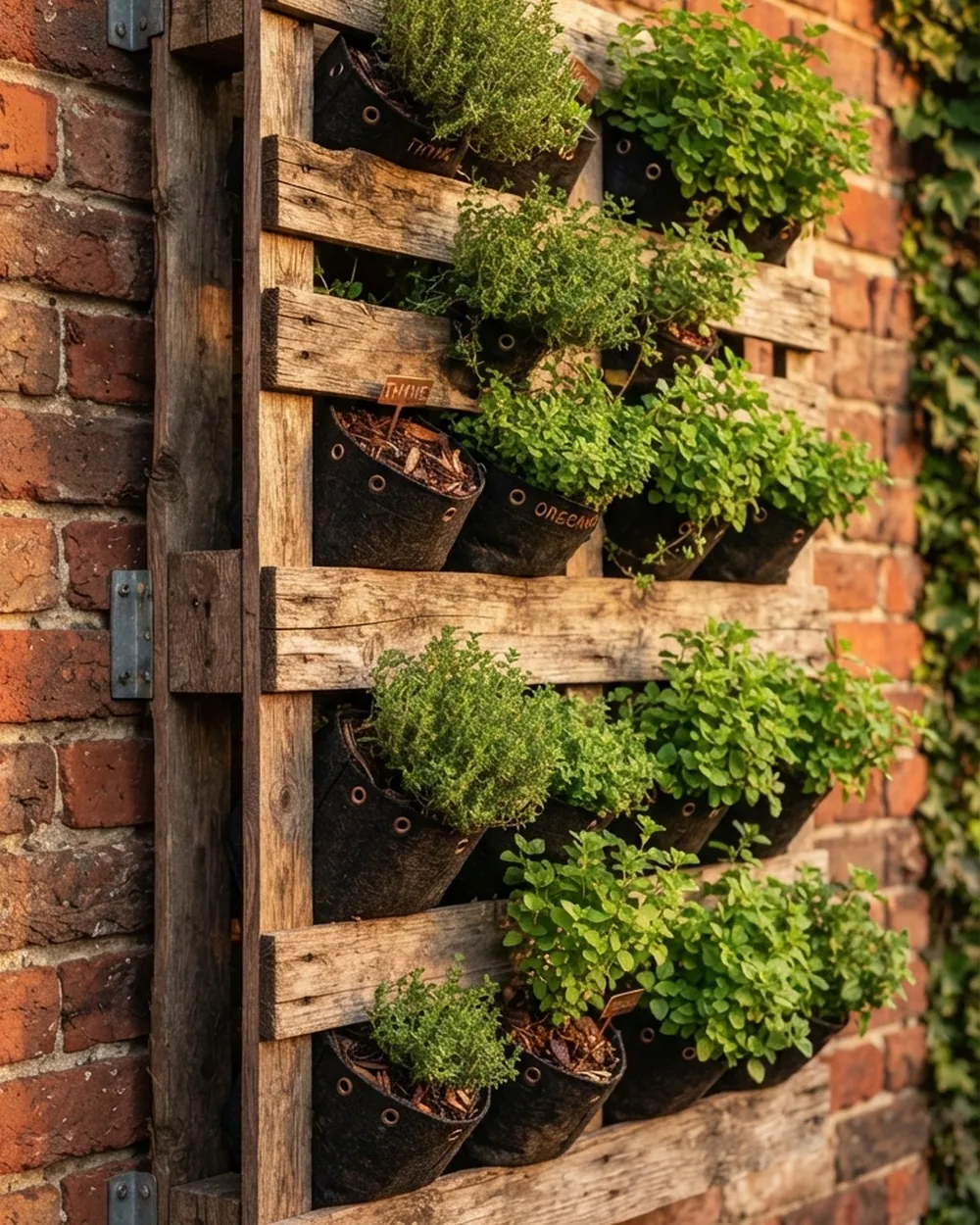
Repurposed wooden shipping pallets mounted against a sunny exterior wall create a rustic, vertical display perfect for trailing herbs like thyme and oregano. The slats act as natural shelves, allowing you to tuck small pots or fabric grow bags into the gaps. This setup is ideal for renters because it avoids permanent structural changes while maximizing square footage in narrow alleyways or tight patios.
Secure your pallet to the wall using heavy-duty L-brackets and ensure the wood is treated with a non-toxic sealant to prevent rot. Line the back of each slat with landscape fabric to hold soil in place if you are planting directly into the wood.
Also Read: 28 Small Backyard Garden Ideas for 2026 | Beautiful & Easy Designs
2. Terracotta Wall Grid
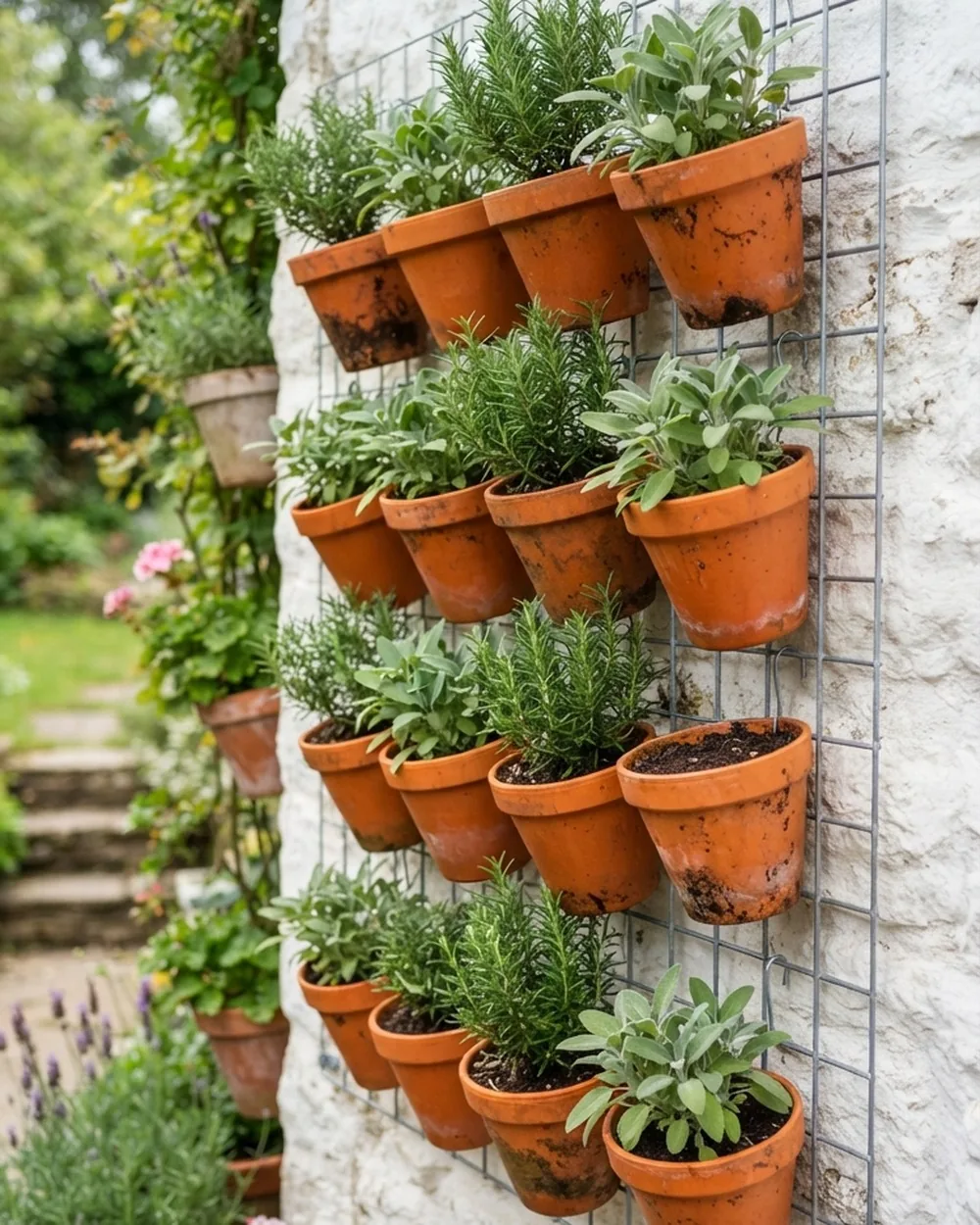
A series of terracotta pots mounted on a wire grid creates a clean, Mediterranean look that stands out against a white or stone wall. The warm orange hue of the clay contrasts beautifully with the deep greens of rosemary and sage. This arrangement is highly flexible, as you can easily swap out pots to rearrange the layout or bring specific plants inside during the winter.
Use galvanized steel wire mesh fastened to your wall and secure the pots with adjustable metal tension rings. This ensures the pots stay level and won’t tip over during high winds, while the mesh allows for excellent airflow around the roots.
3. Hanging Mason Jar Rails
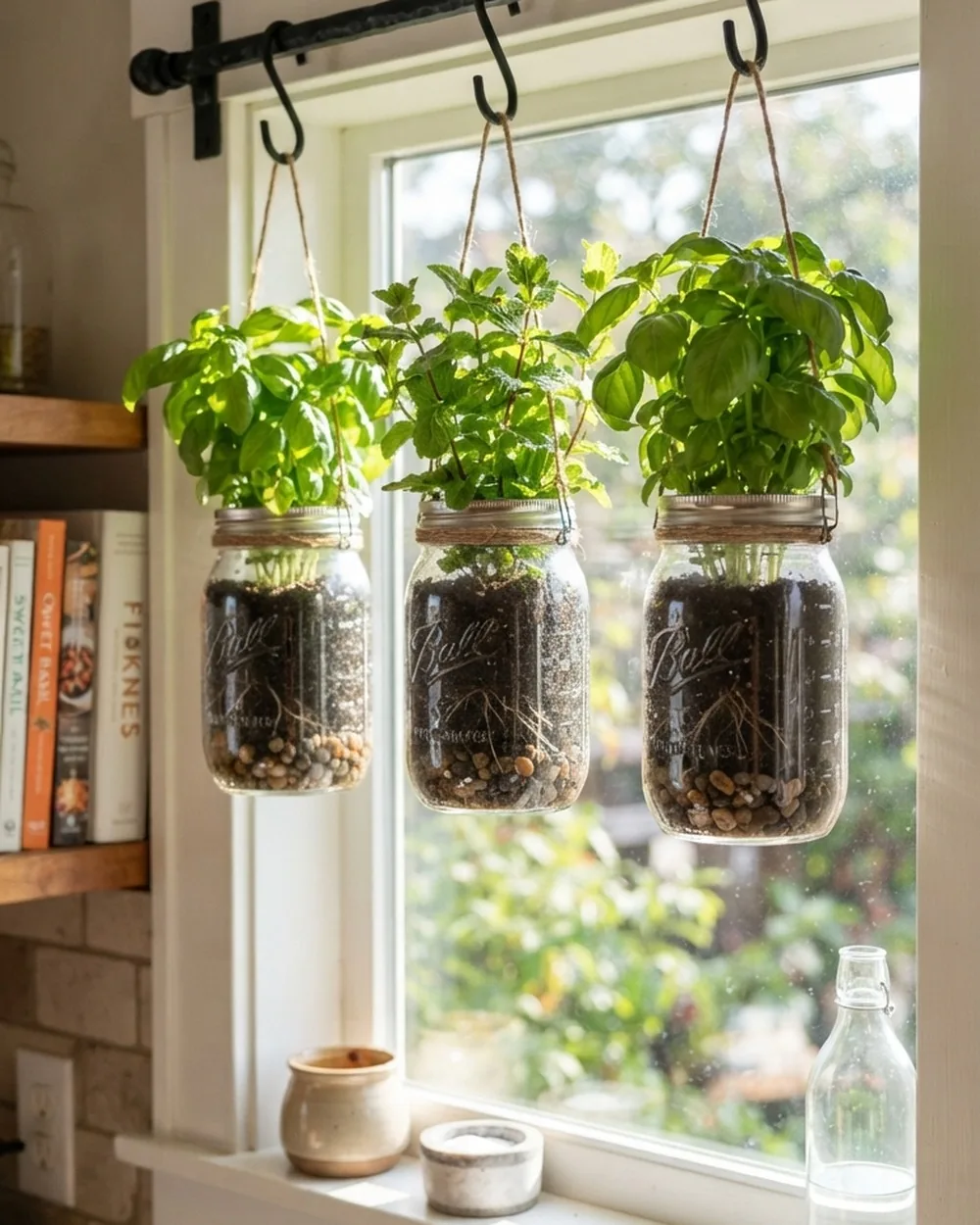
Suspended from a copper or black iron rod mounted under a kitchen window, mason jars filled with herbs bring a farmhouse aesthetic into the home. This setup is best for moisture-loving plants like basil, mint, and cilantro that benefit from the controlled indoor environment. The glass allows you to monitor soil moisture levels visually, preventing overwatering.
Attach the jars to the rod using sturdy pipe clamps or heavy-duty twine wrapped securely around the neck. Always place a layer of small pebbles at the bottom of the glass before adding soil to compensate for the lack of drainage holes.
Also Read: 28 Outdoor Garden Seating Ideas for Stylish Spaces
4. Tiered Ladder Shelves
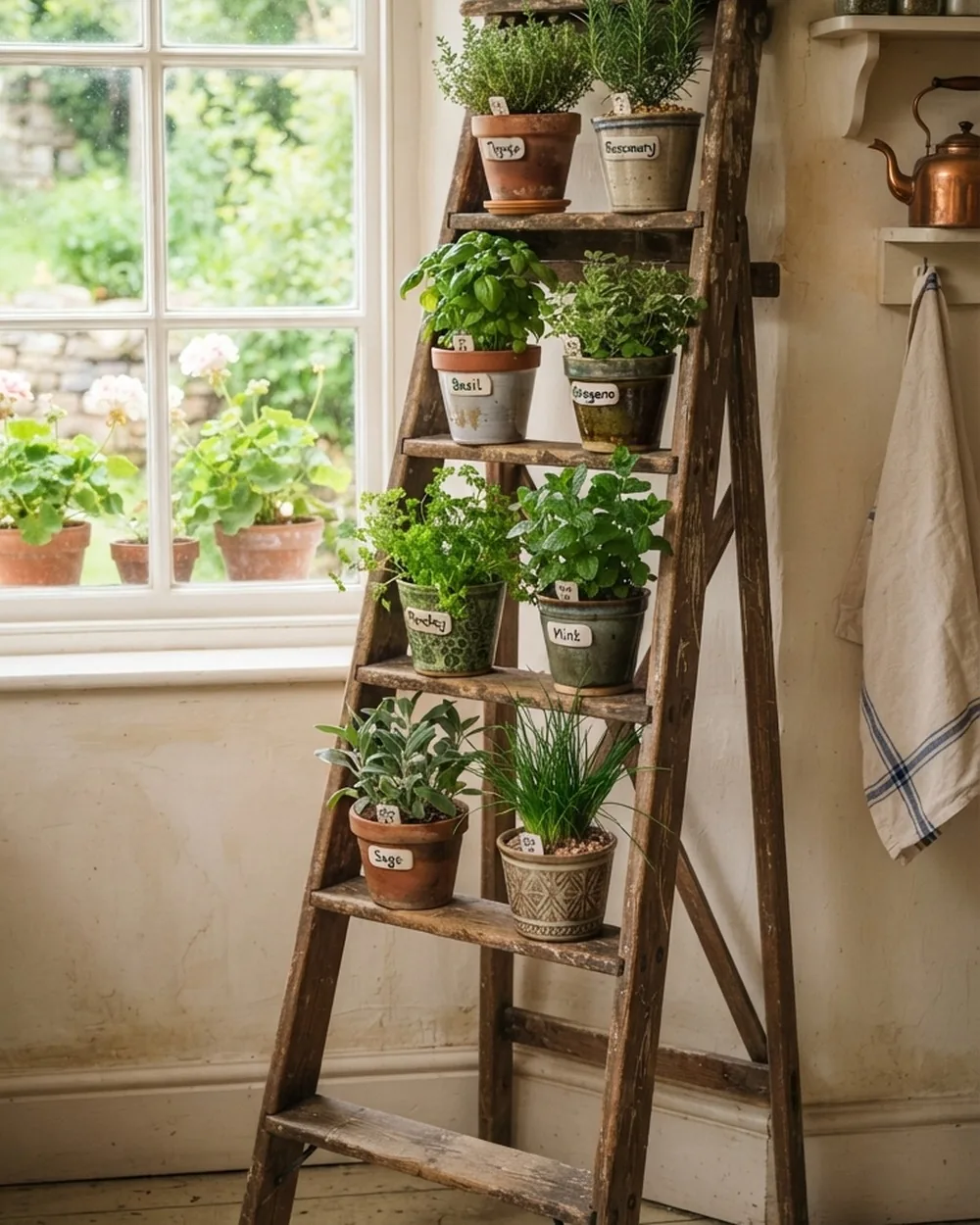
An old wooden ladder leaned against a wall provides an instant vertical stage for a collection of mismatched ceramic pots. The varying heights of the ladder rungs allow you to place sun-hungry plants at the top and shade-tolerant varieties toward the bottom. It works exceptionally well in corners where traditional shelving might feel too bulky.
Sand down a vintage wooden ladder and apply a coat of exterior-grade paint or wood stain to protect it from moisture. Ensure the ladder is anchored to the wall with a small screw-eye and zip tie to prevent it from slipping on smooth flooring.
5. Copper Pipe Wall Rack
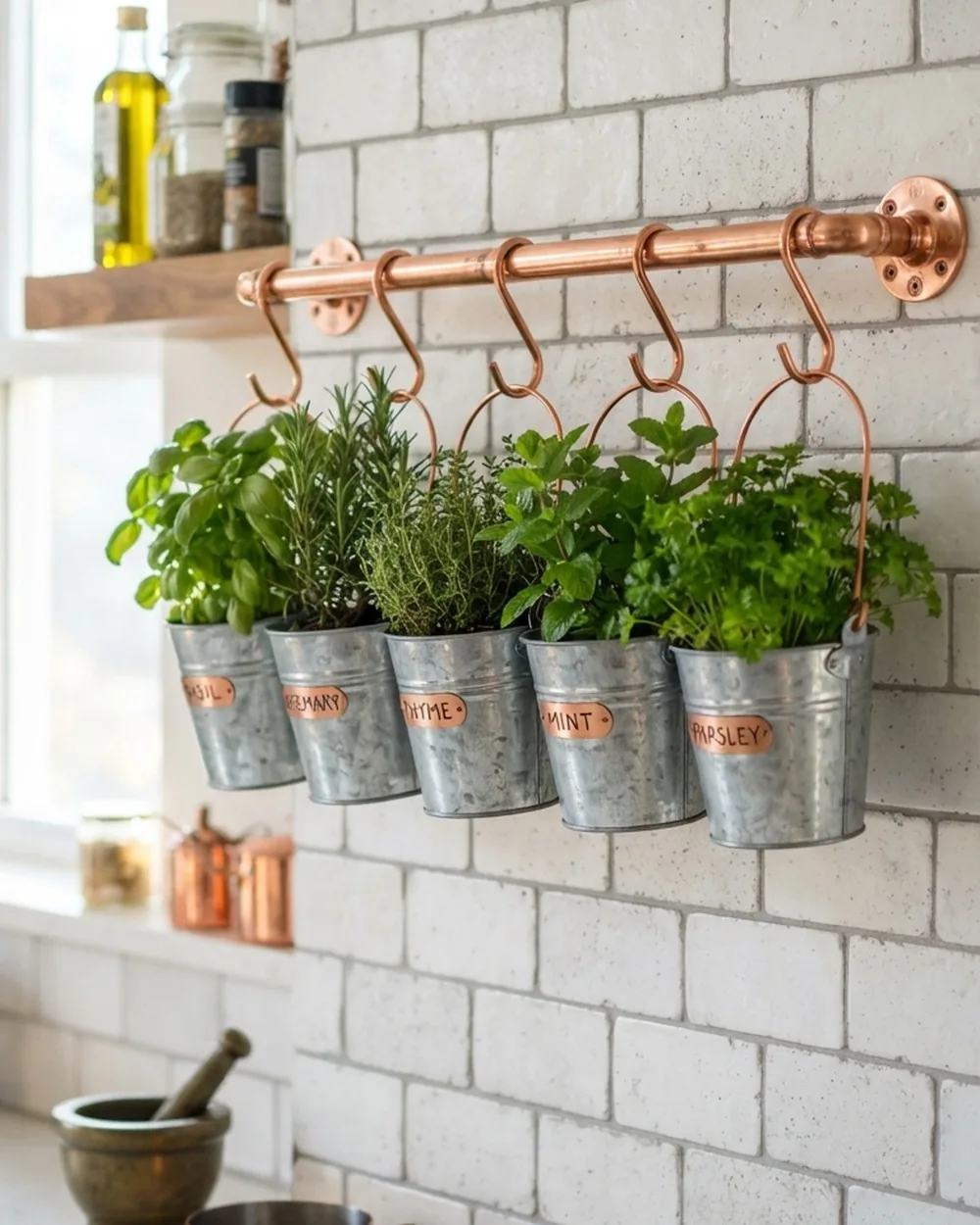
A minimalist frame constructed from industrial copper piping offers a sophisticated, modern way to display herb pots in a bright kitchen. The metallic finish develops a rich patina over time, adding character to the space. This is a lightweight, durable option that feels much more permanent and high-end than plastic alternatives.
Use a pipe cutter to customize the length of the copper segments and secure them with standard T-fittings. Use matching copper hooks to hang small galvanized pails containing your herbs, which makes it simple to detach them for watering or harvesting.
6. Galvanized Steel Trough
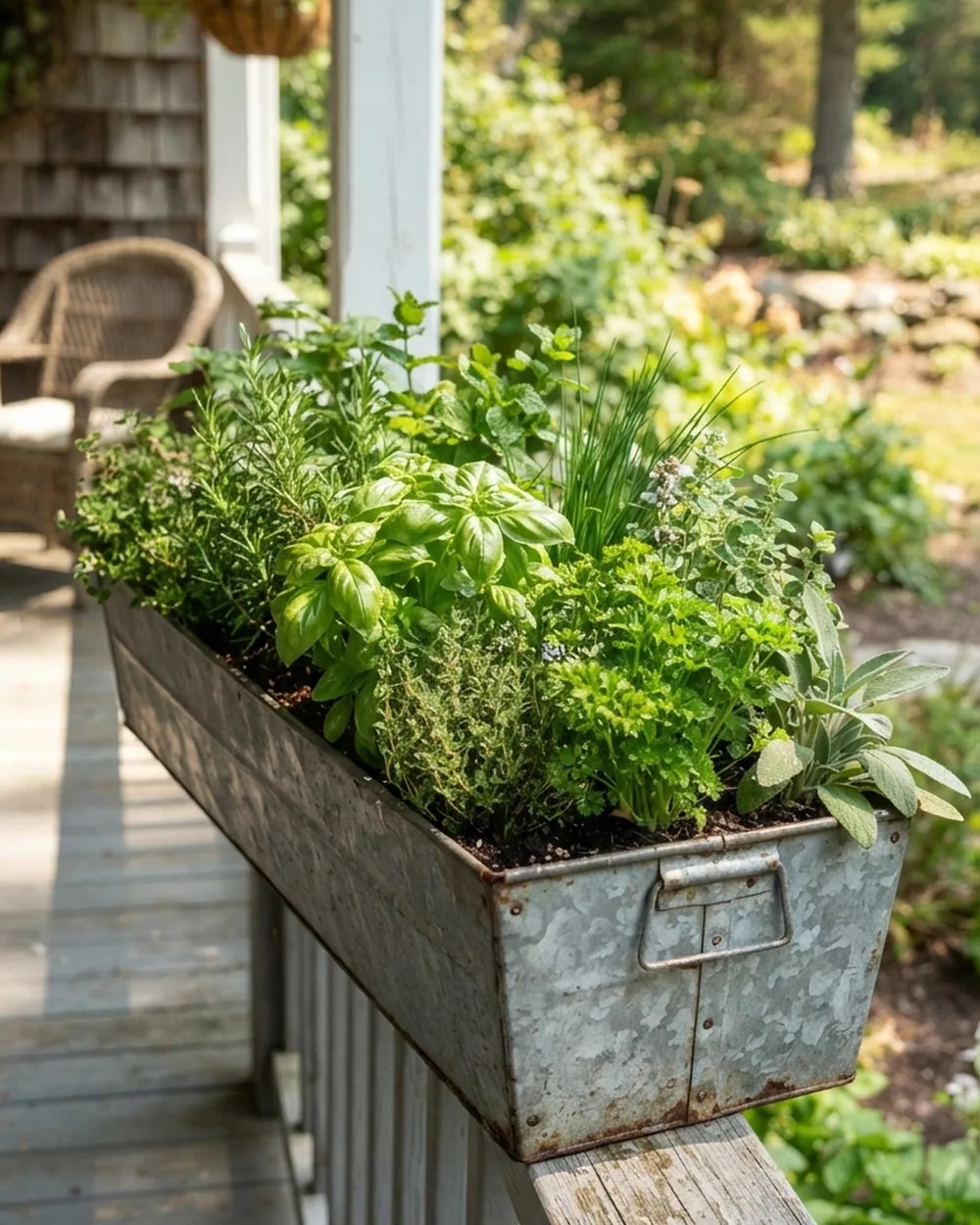
A long, narrow galvanized steel trough placed on a porch railing provides a cohesive, industrial-chic look for a large collection of annual herbs. The metal reflects heat, which can be beneficial for Mediterranean herbs that thrive in warmer temperatures. Its length allows for a “culinary garden” layout where you can group plants with similar water needs together.
Drill multiple drainage holes along the bottom of the trough before adding a layer of gravel. If the trough is sitting on a wooden deck, place it on small blocks or feet to prevent trapped moisture from staining the wood surface underneath.
Also Read: 29 Garden Party Decorations Ideas for Outdoor Style
7. Window Box Window Sill
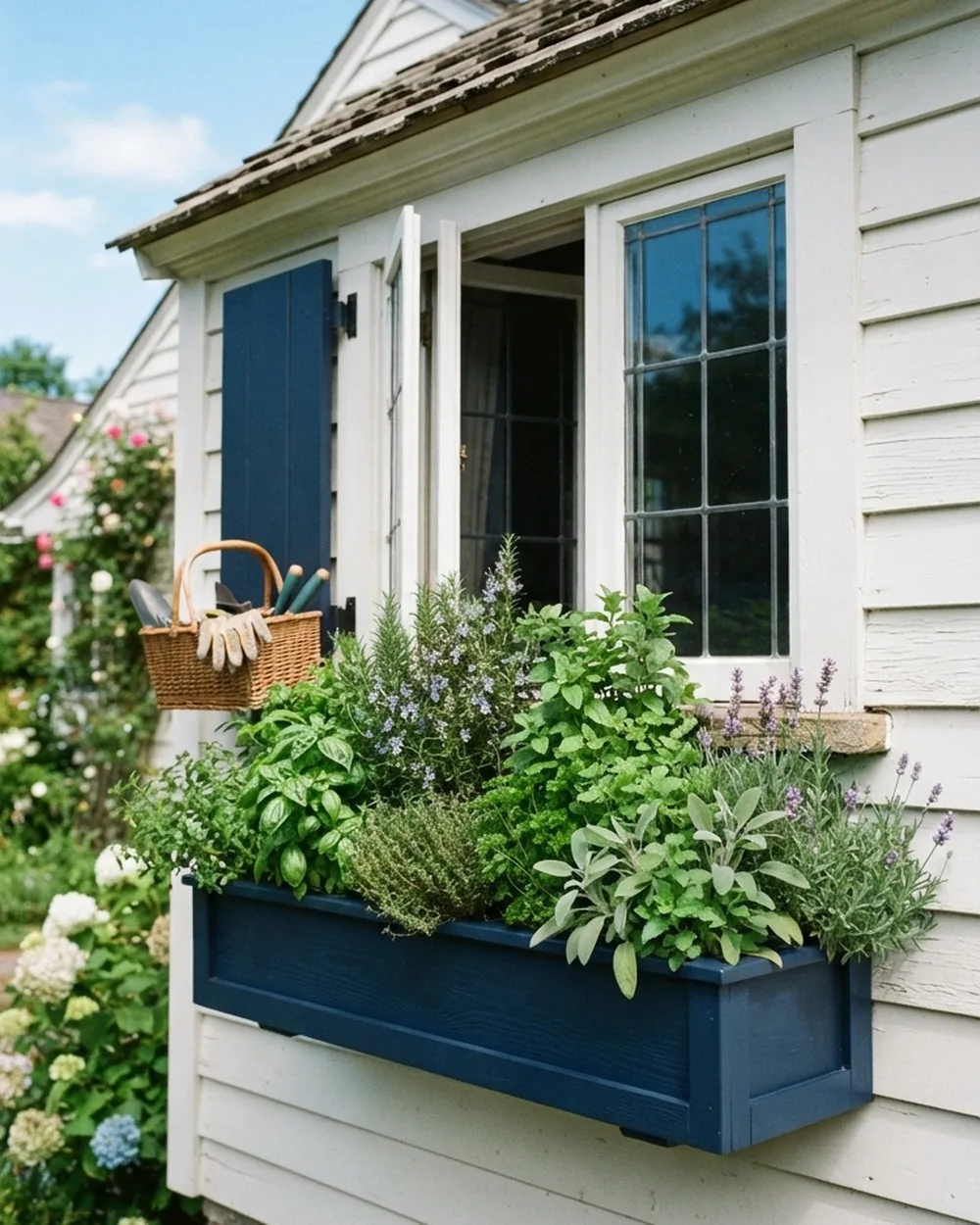
Classic wooden window boxes attached to the exterior of a kitchen window allow you to harvest fresh ingredients without stepping outside. Painted in a contrasting color like navy or slate grey, these boxes frame the window and make the exterior of the house look intentional and curated. They are the standard for high-yield, compact gardening.
Choose a box with a liner insert to make seasonal planting rotations easier. Ensure the bracket system is rated for the weight of wet soil, especially if you live in an area prone to heavy rainfall.
8. Repurposed Hanging Colander
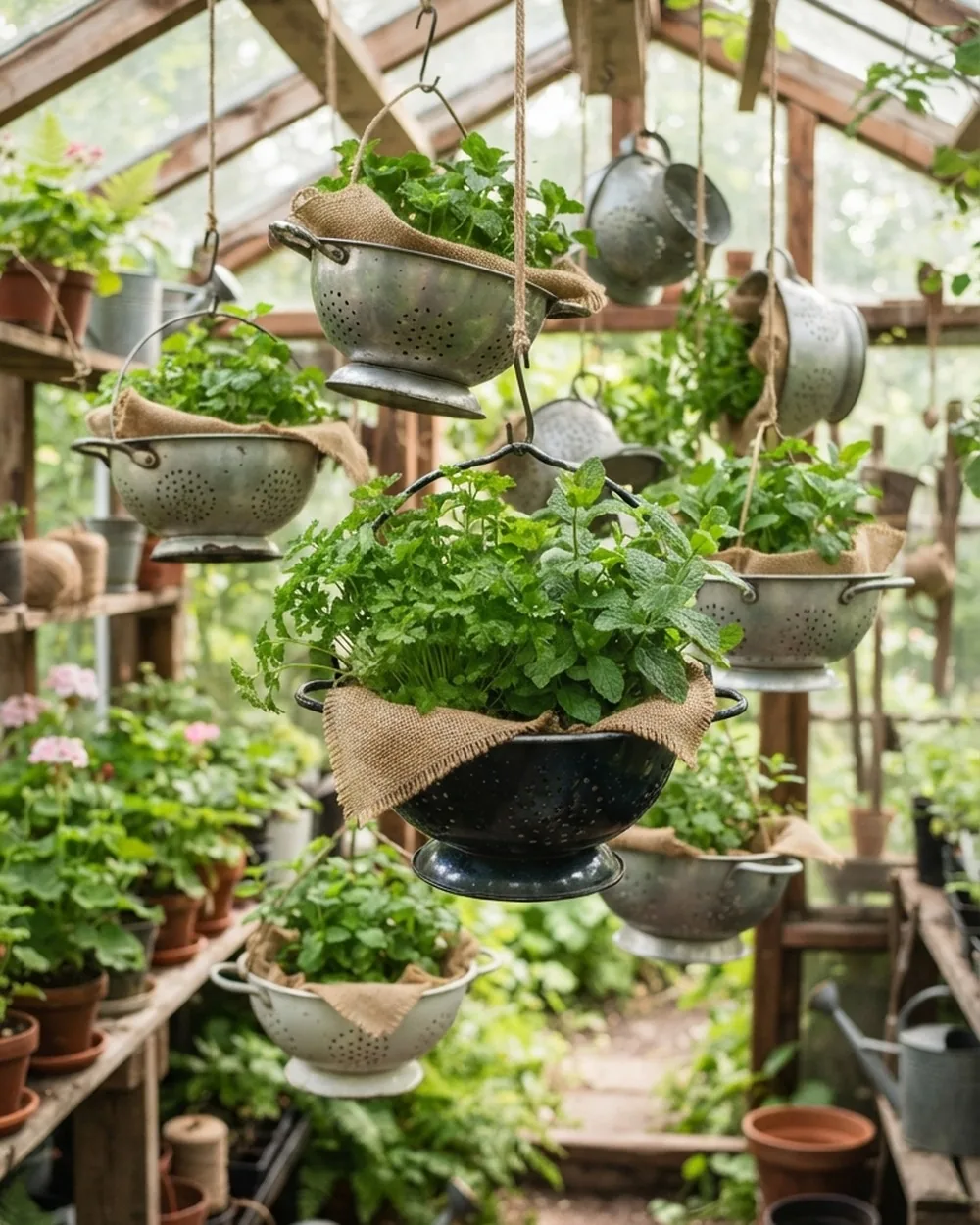
Vintage metal colanders, painted in vibrant primary colors or left in their original stainless finish, make excellent hanging planters for mint or parsley. The built-in drainage holes are perfect for healthy root systems, and the handles provide a natural way to hang them from ceiling hooks. This is a budget-friendly option that adds a touch of whimsy to any space.
Line the colander with a piece of burlap to keep the soil contained while still allowing water to drain freely. Use heavy-duty S-hooks to suspend them at varying lengths to create a layered, cascading effect in your kitchen or greenhouse.
9. Chalkboard Pot Labels
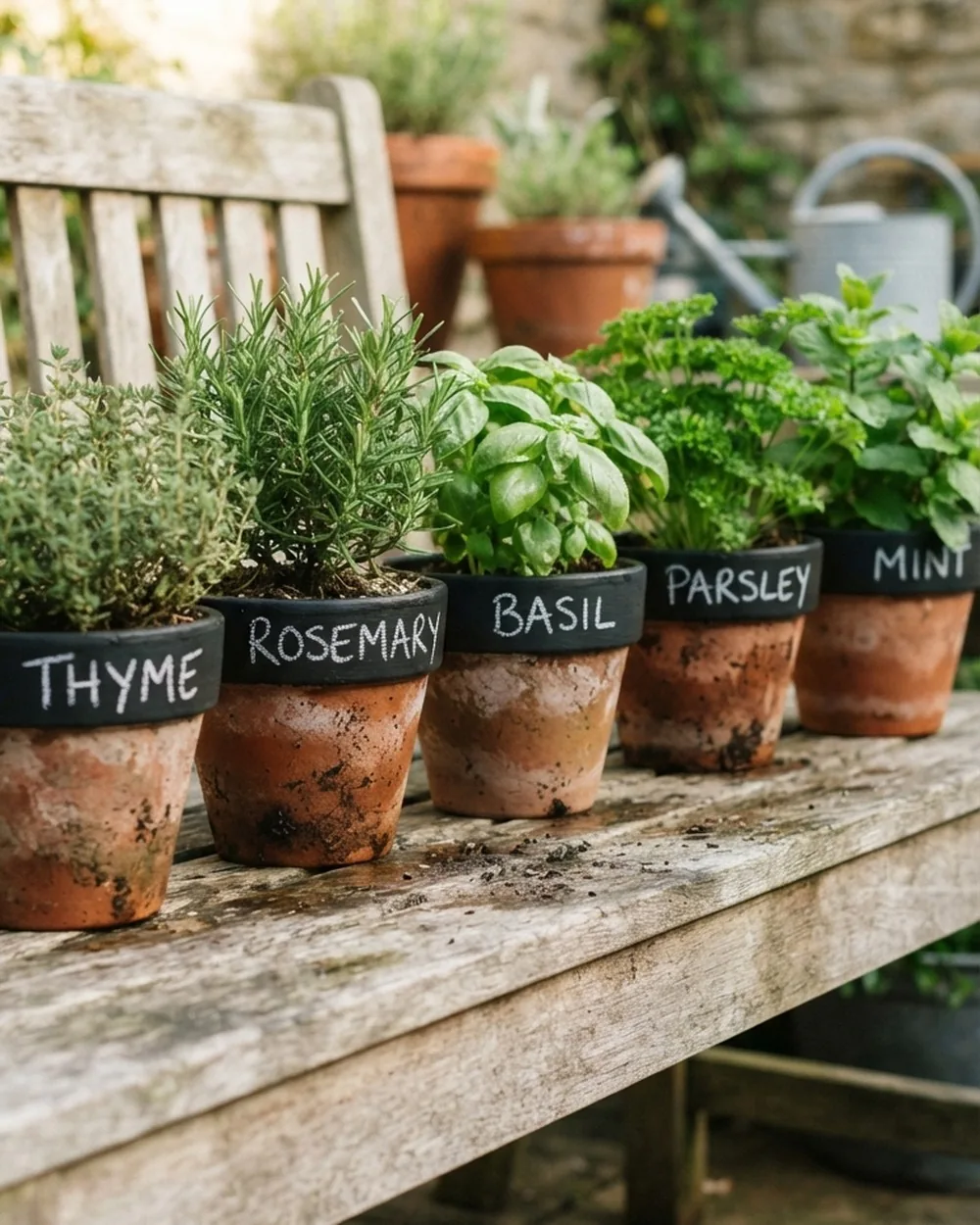
Painting the rims or fronts of terracotta pots with chalkboard paint transforms a basic garden into a labeled, organized workspace. It looks professional and helps beginners identify different varieties of herbs at a glance. You can easily erase and rewrite names if you decide to swap out your plant varieties during the next growing season.
Apply two coats of exterior chalkboard paint to the pots and let them cure for at least 48 hours before writing on them. Use a chalk marker rather than standard chalk for a sharper, more permanent look that won’t smudge when you brush against the pots.
10. Hanging Macramé Hangers
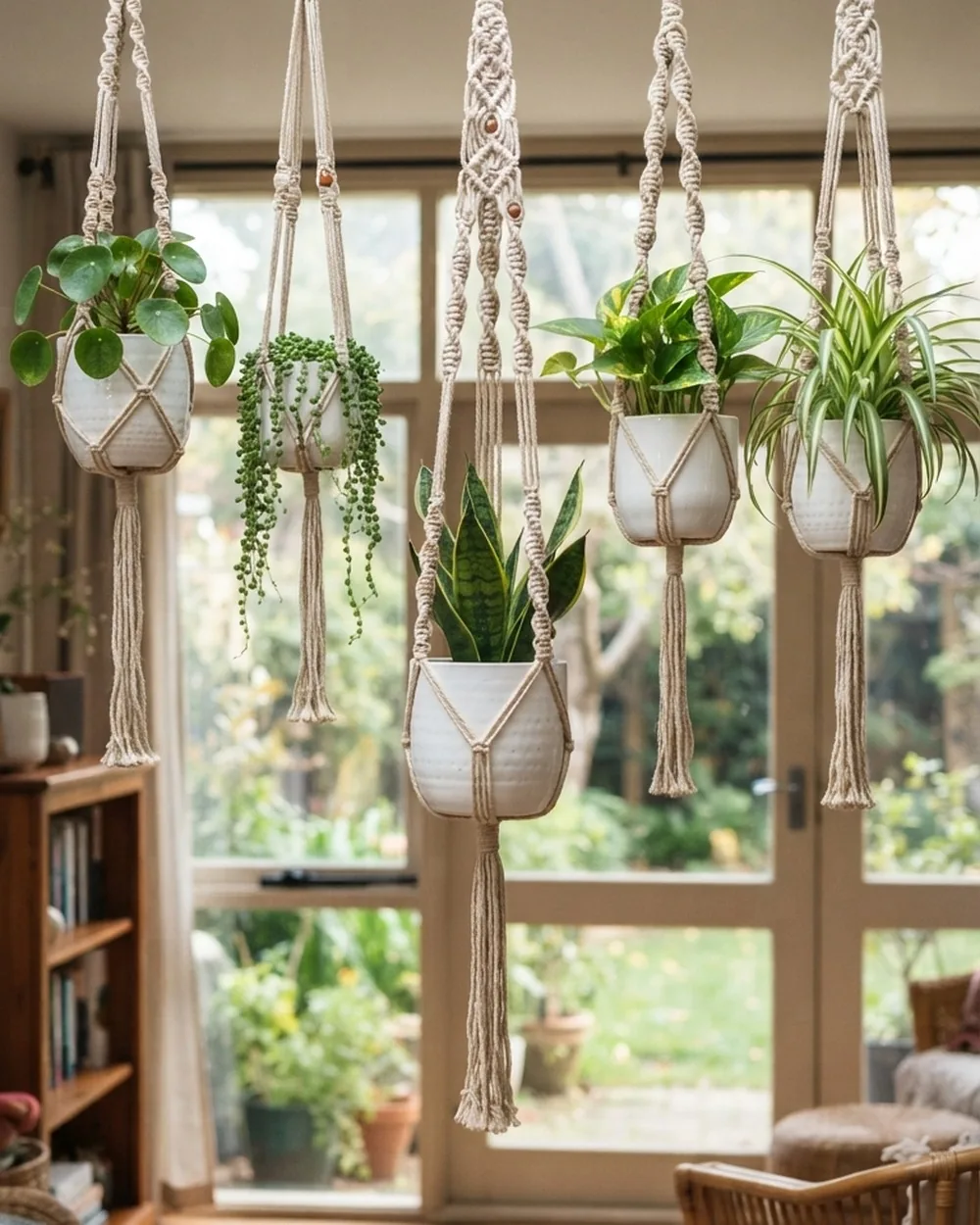
Hand-knotted rope or twine hangers bring a bohemian, soft texture to an indoor herb collection. These are perfect for small spaces where you want to utilize vertical height without needing permanent shelving. The soft material balances the rigid look of ceramic or plastic pots, making the space feel warmer and more inviting.
Select pots with a slight lip or rim so the macramé knots have something to grip securely. Hang these from a ceiling-mounted track or a simple tension rod in a window frame to ensure the plants receive adequate natural light.
11. Vertical Shoe Organizer
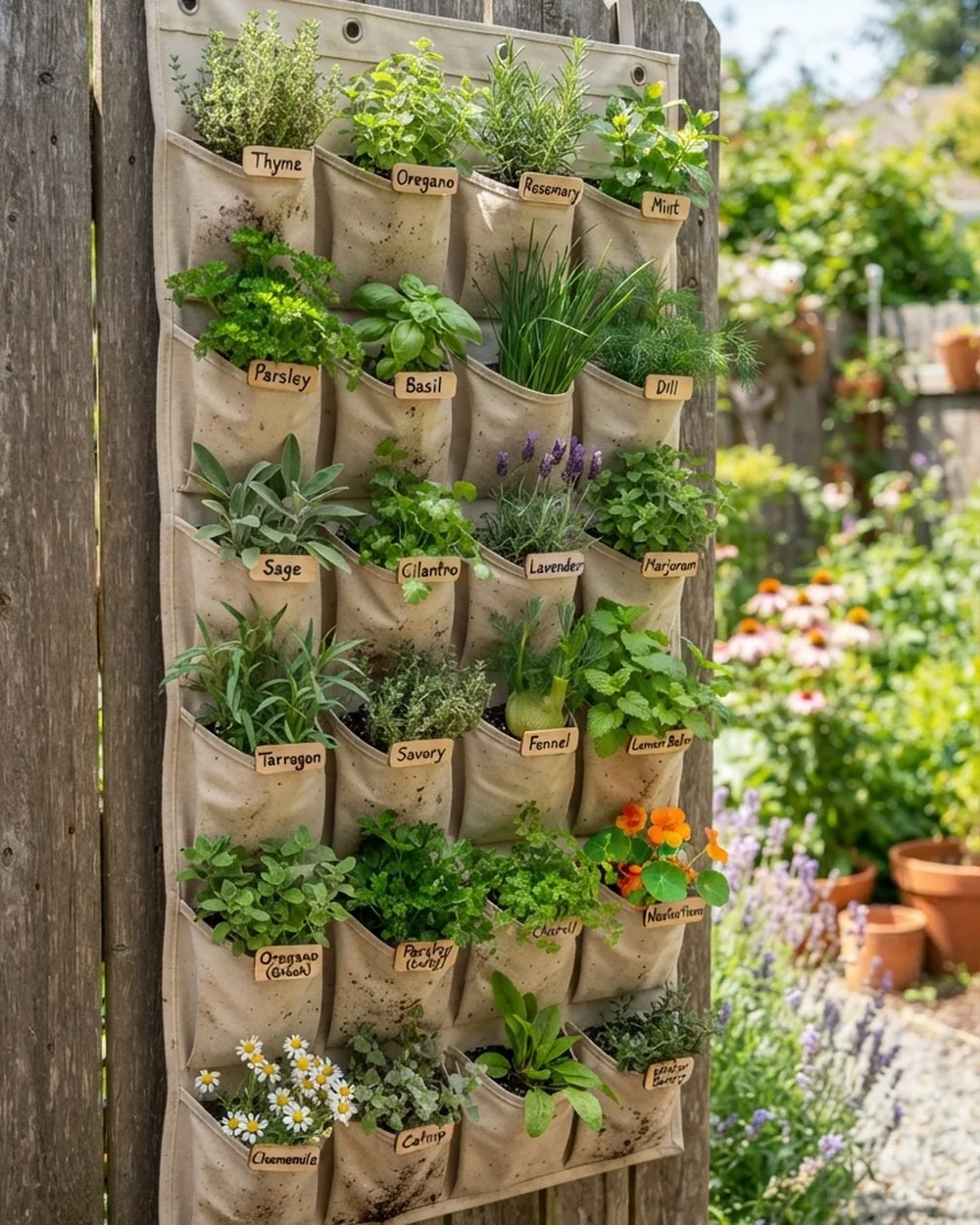
A canvas or fabric over-the-door shoe organizer hung on a sunny wall or fence is a surprisingly effective and cheap way to hold multiple herb plants. Each pocket acts as a self-contained container, which is excellent for preventing invasive herbs like mint from spreading to other pots. It’s an ideal solution for those starting with limited funds.
Also Read: 25 Narrow Flower Bed Ideas for 2026 | Beautiful Small-Space Gardens
Make sure to poke a few small holes in the bottom of each fabric pocket to ensure proper drainage. If using an organizer outdoors, choose a heavy-duty, UV-resistant fabric to prevent it from deteriorating after a season in the sun.
Also Read: 27 Spring Garden Party Ideas for Elegant Outdoor Decor
12. Succulent-Style Herb Tray
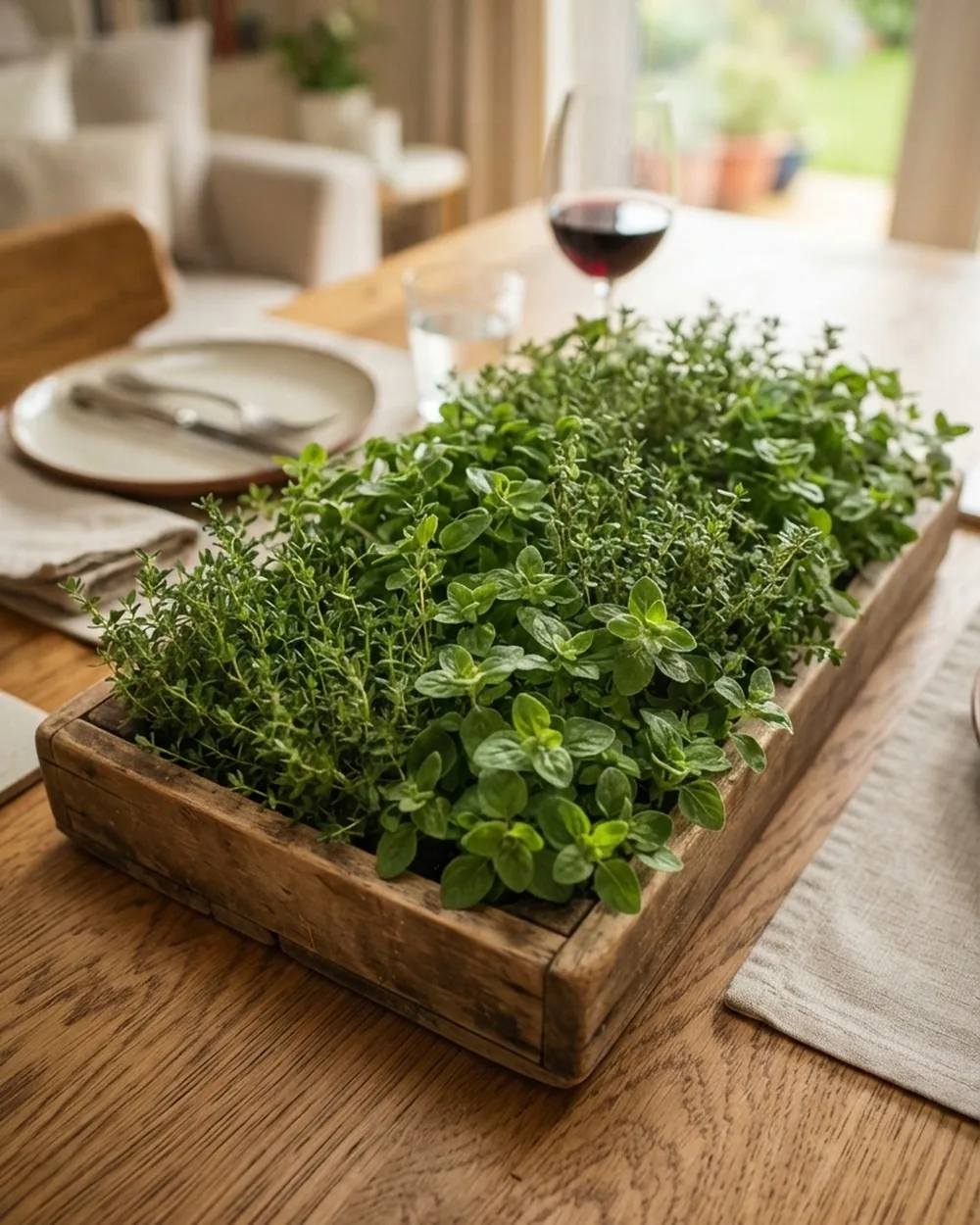
A shallow, wide wooden tray filled with a variety of low-growing herbs like thyme, oregano, and creeping savory creates a living centerpiece. This “carpet” style of planting looks lush and full, mimicking the look of a miniature meadow. It works best on a dining table or a sunny windowsill where you can appreciate the texture up close.
Use a tray with a waterproof liner or a clear plastic tray underneath to protect your table surface from water damage. Group the herbs closely together so their foliage touches, which helps retain soil moisture and creates a more natural, overgrown appearance.
13. Floating Shelves
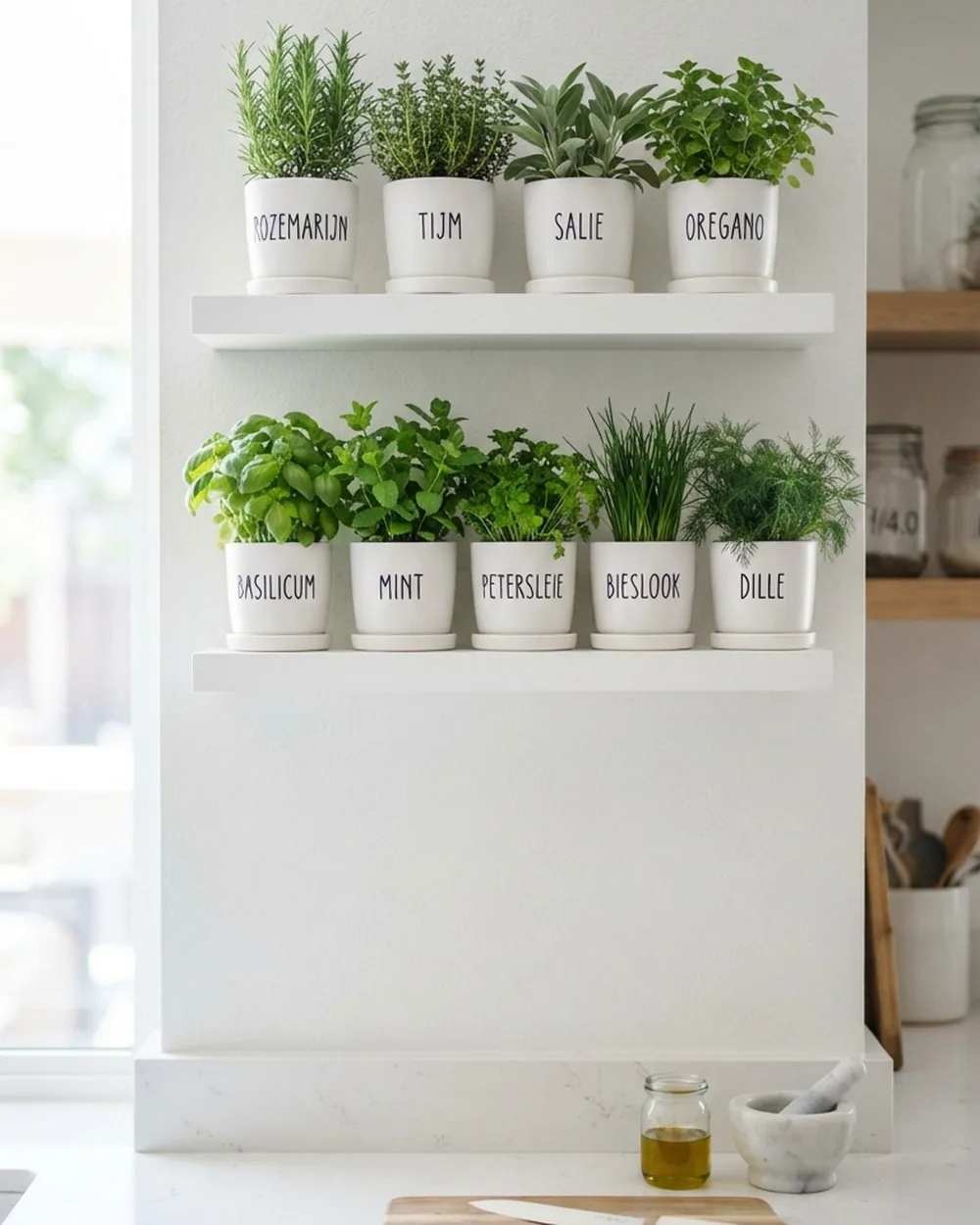
Simple white or natural wood floating shelves installed in a kitchen nook provide a clean, modern look that keeps your counter space clear. This creates a dedicated “herb station” that looks like a high-end design feature. It is highly compatible with minimalist or Scandinavian interior styles.
Install the shelves using hidden bracket systems to maintain the floating aesthetic. Always place these shelves in the sunniest spot of your kitchen, as indoor herbs need at least six hours of direct light to thrive.
14. Teacup Herb Garden
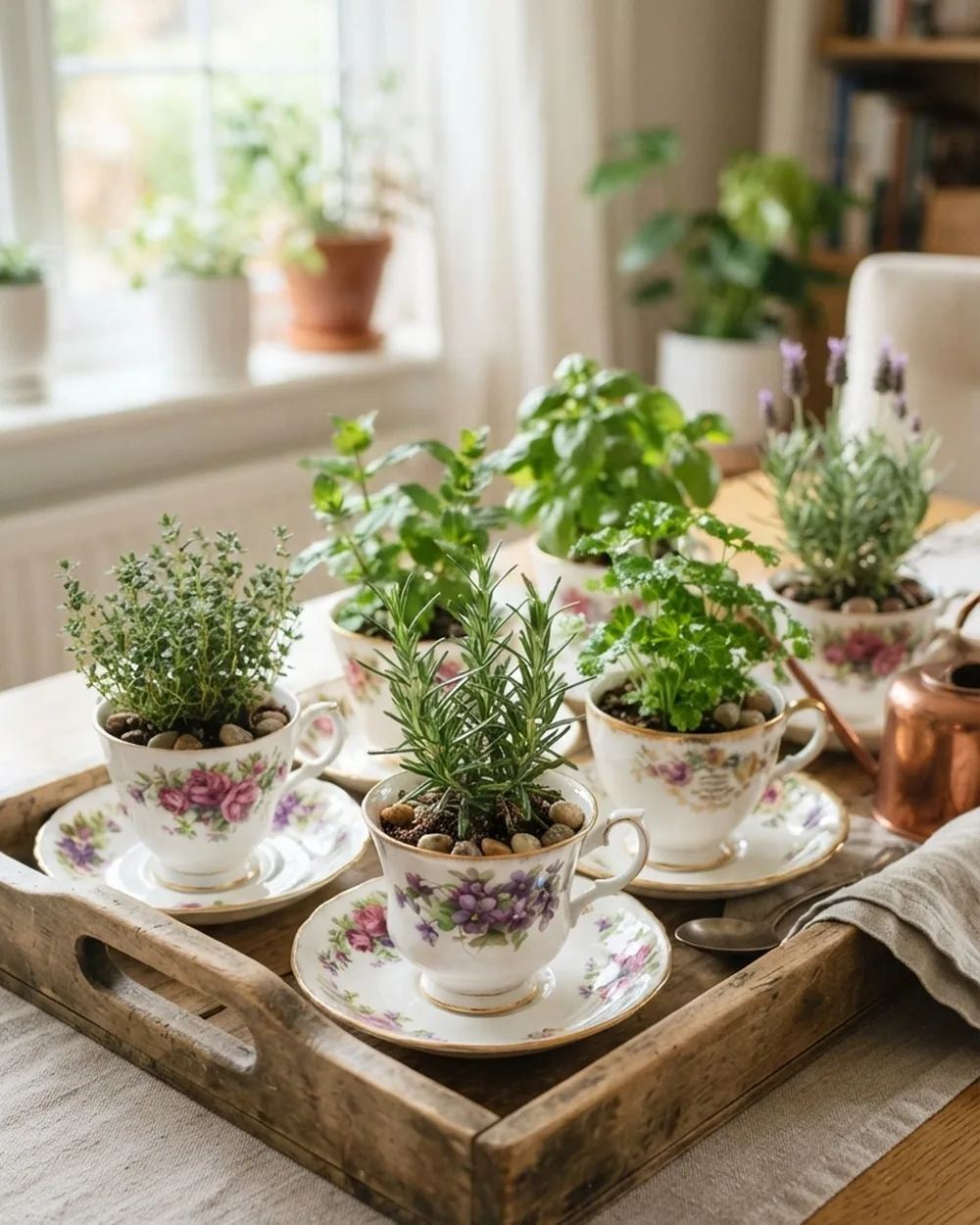
Small, unique ceramic teacups or vintage mugs make charming, bite-sized homes for individual herbs like chives or basil. This is a great way to recycle heirloom china that you no longer use for drinking. They look beautiful clustered together on a tray or a small side table.
Avoid overwatering, as these containers lack traditional drainage. Place a layer of activated charcoal at the bottom of the cup to prevent the soil from turning sour, and water sparingly using a small spritzer or a teaspoon to avoid drowning the roots.
15. Hanging Gutter Garden
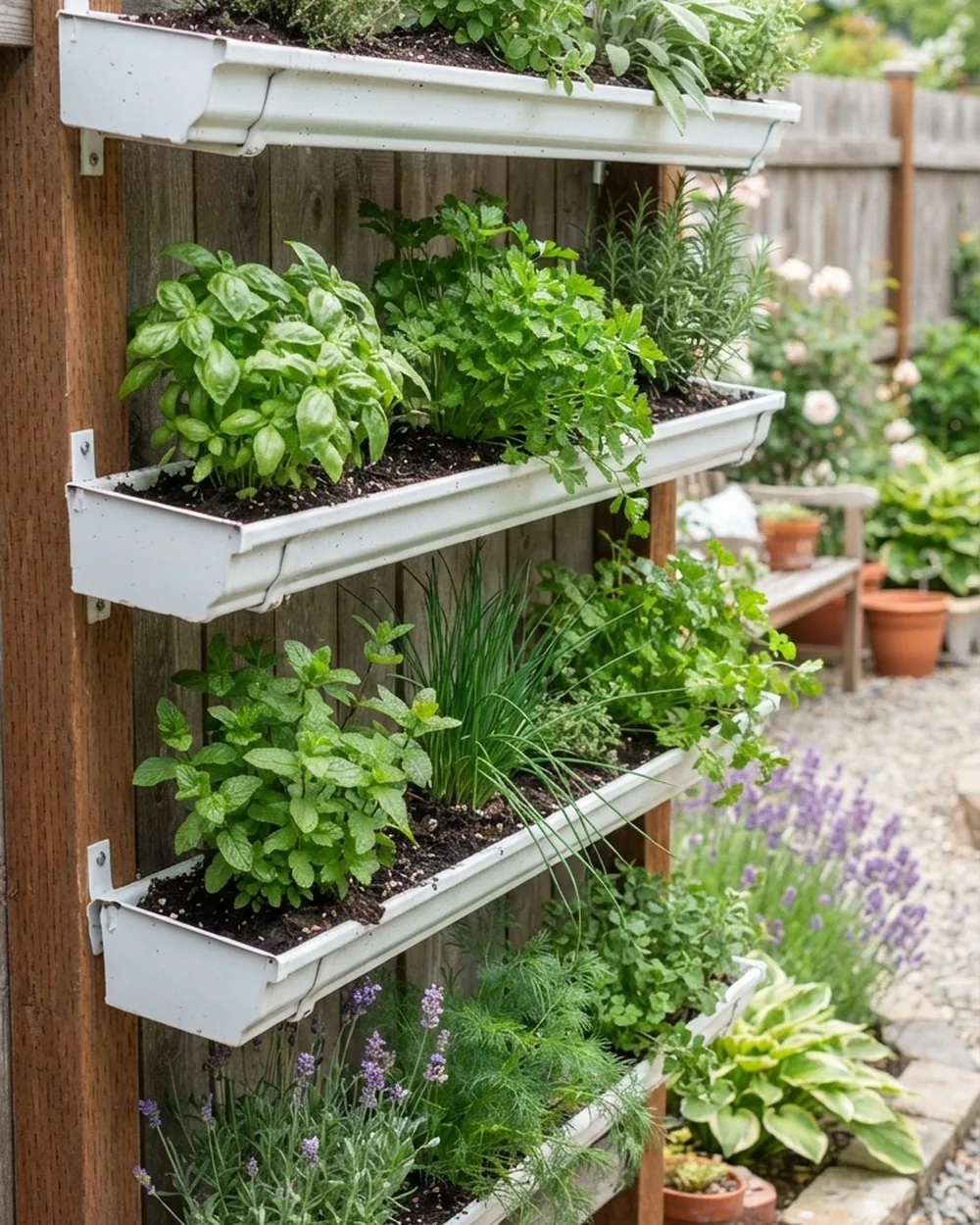
Sections of white vinyl guttering mounted in tiers against a wall create a high-capacity, streamlined system for growing large amounts of herbs. It looks very organized and is perfect for a side-yard garden where you want to grow enough herbs to dry and preserve for winter. The vinyl is lightweight, easy to clean, and inexpensive.
Cap the ends of the gutter sections with matching vinyl end caps and drill drainage holes every six inches along the bottom. Use heavy-duty metal brackets to ensure the gutters can support the weight of wet soil and lush growth.
16. Stone-Edged Raised Bed
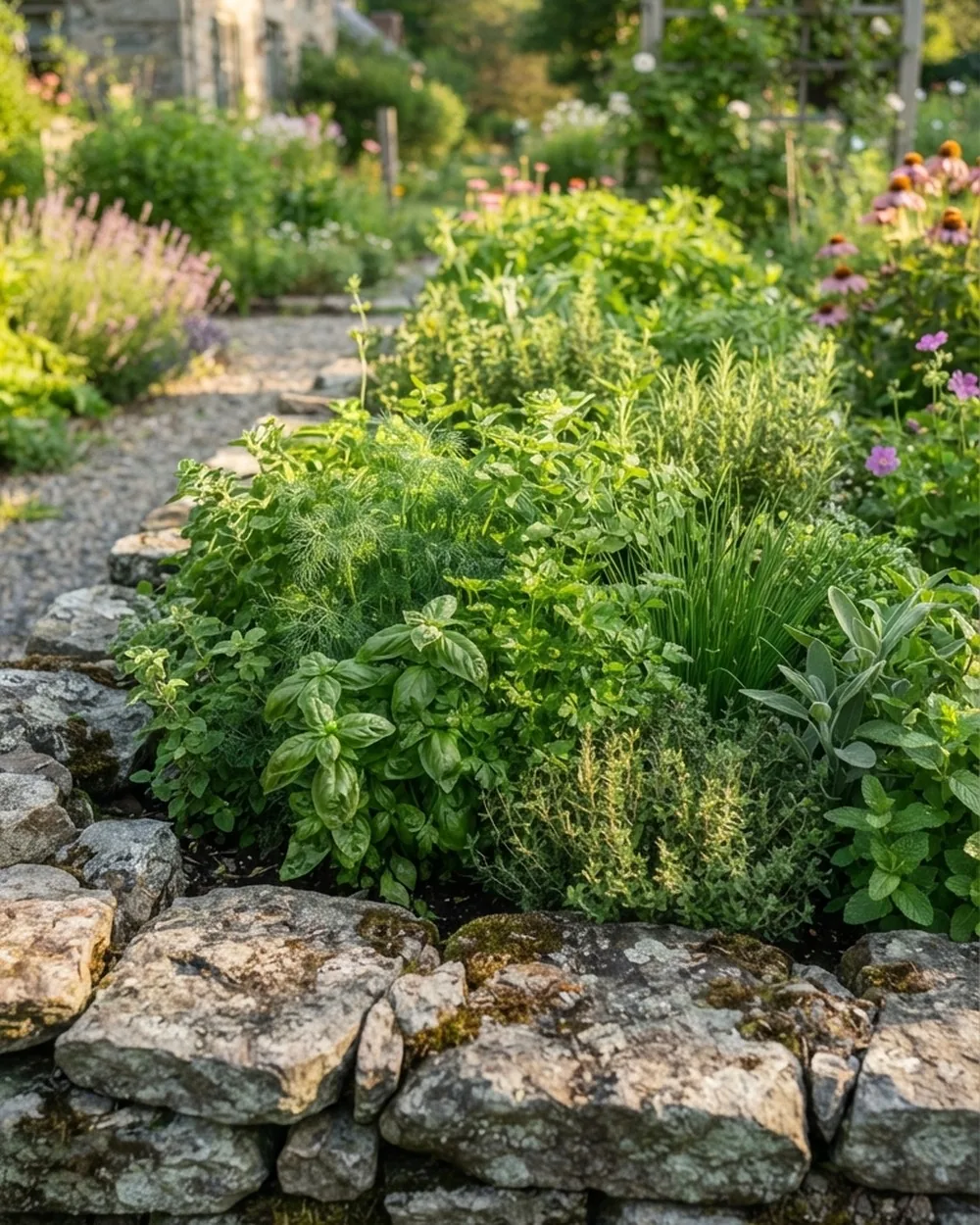
A small, raised bed framed with natural fieldstone or brick adds a permanent, architectural element to your backyard. This style fits perfectly in cottage-core or traditional garden landscapes. The stone retains heat throughout the day, which keeps the soil warm for herbs during cooler spring and autumn evenings.
Line the base of the bed with cardboard or landscape fabric to suppress weeds before filling it with a high-quality potting mix. Incorporate a little bit of sand into the soil to improve drainage, as many culinary herbs prefer a grit-heavy environment.
17. Painted Crate Planters
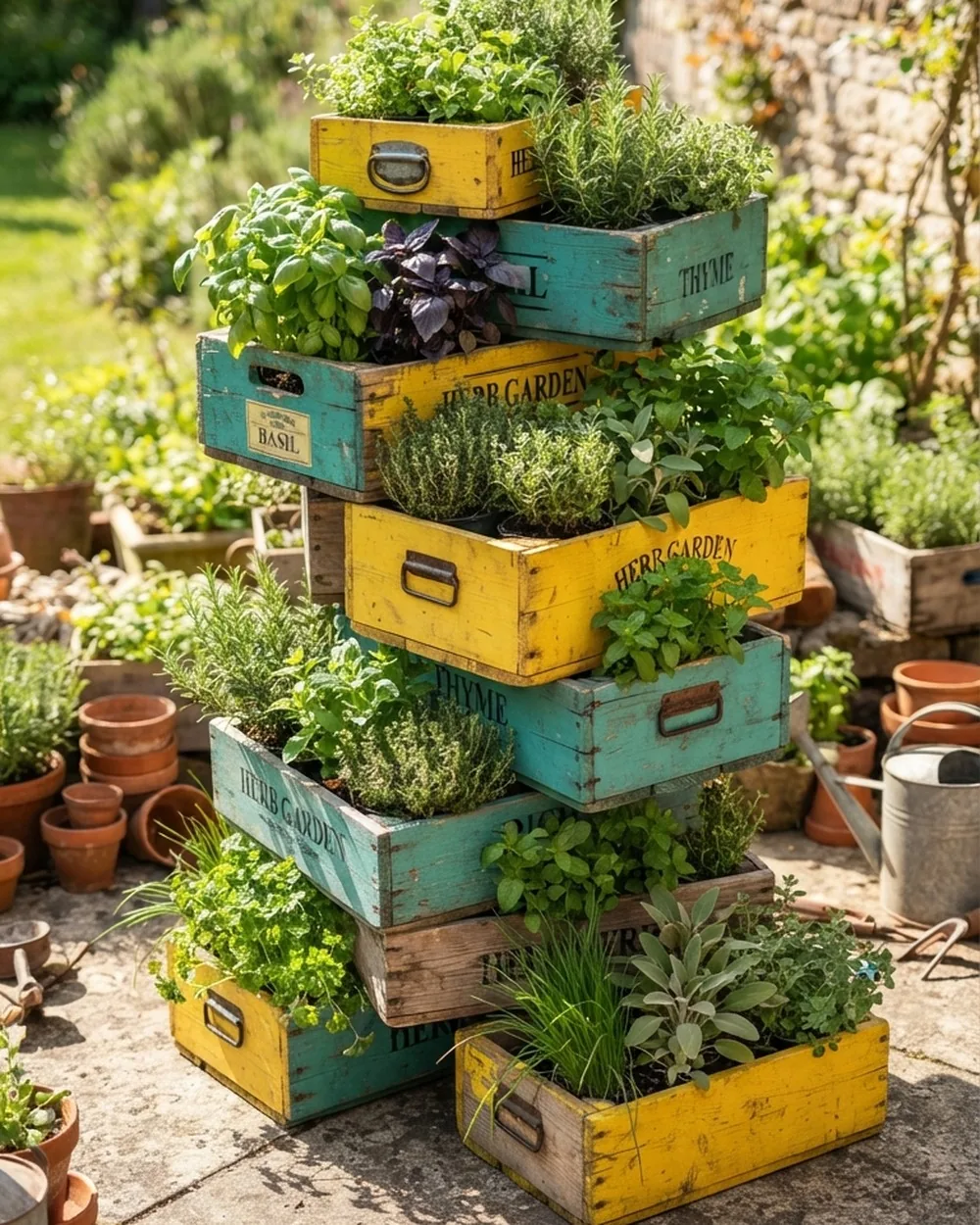
Wooden crates, either new or reclaimed from an orchard, painted in bright, cheerful colors, add a rustic and playful touch to a patio or porch. You can stack them at different angles to create a staggered, sculptural look. This is a very versatile setup that can be moved around as the seasons change.
Line the inside of the crates with heavy-duty plastic sheeting, stapling it to the sides to create a waterproof barrier. Ensure you leave the bottom of the plastic open or cut holes in it to match the drainage gaps in the crate.
18. Vertical Wall Pocket Felt
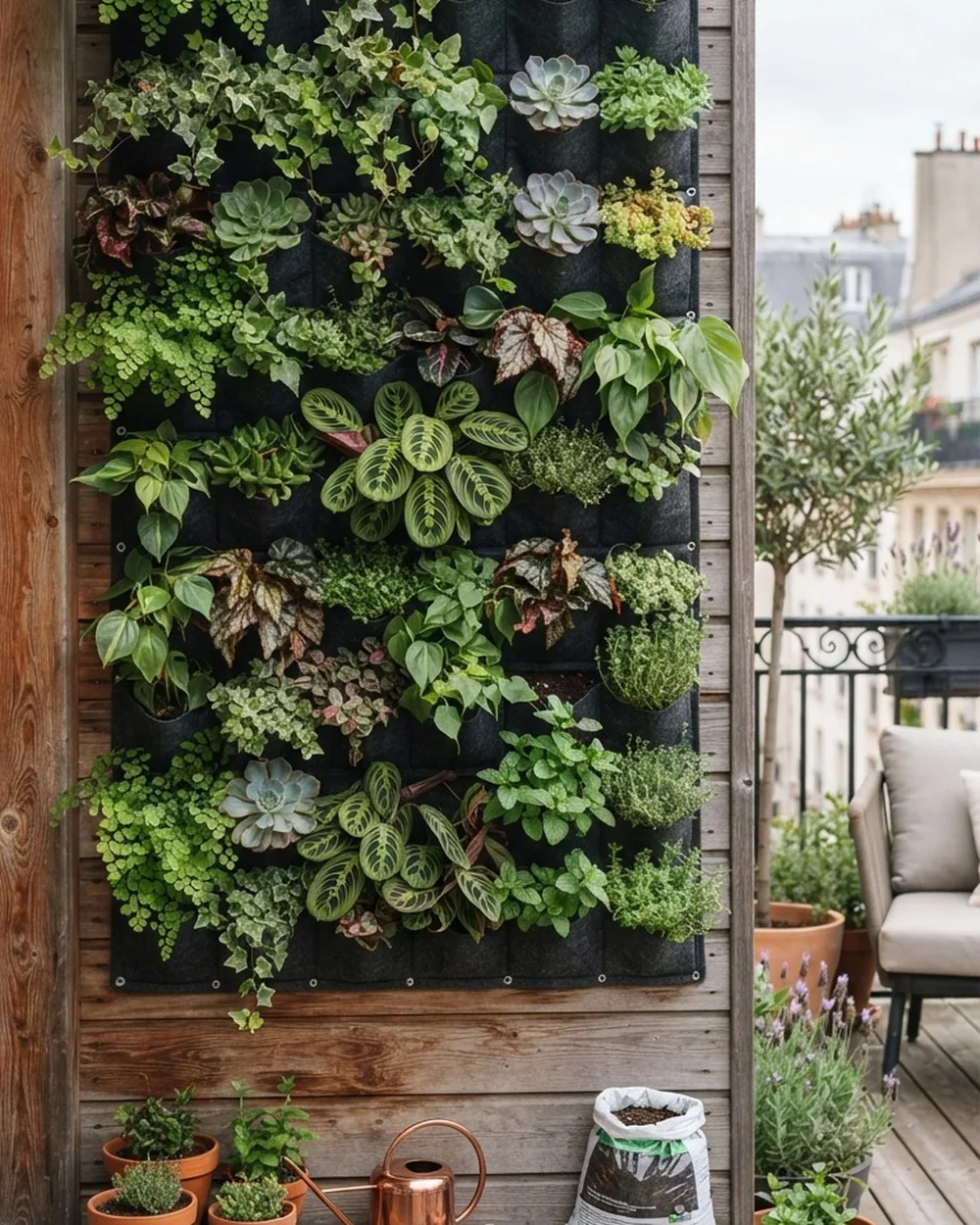
Modular felt pocket systems, often sold as “living wall” planters, are excellent for creating a dense, vertical wall of greenery. The felt is breathable, which helps prevent root rot and keeps the plants healthy even in humid conditions. This is the most professional-looking way to create a dense, vertical herb garden on a small balcony.
Mount these on a water-resistant backing board to protect your wall surface from moisture. Because these dry out faster than traditional pots, consider installing a simple drip-irrigation line at the top to keep the soil consistently moist.
19. Wicker Basket Planters
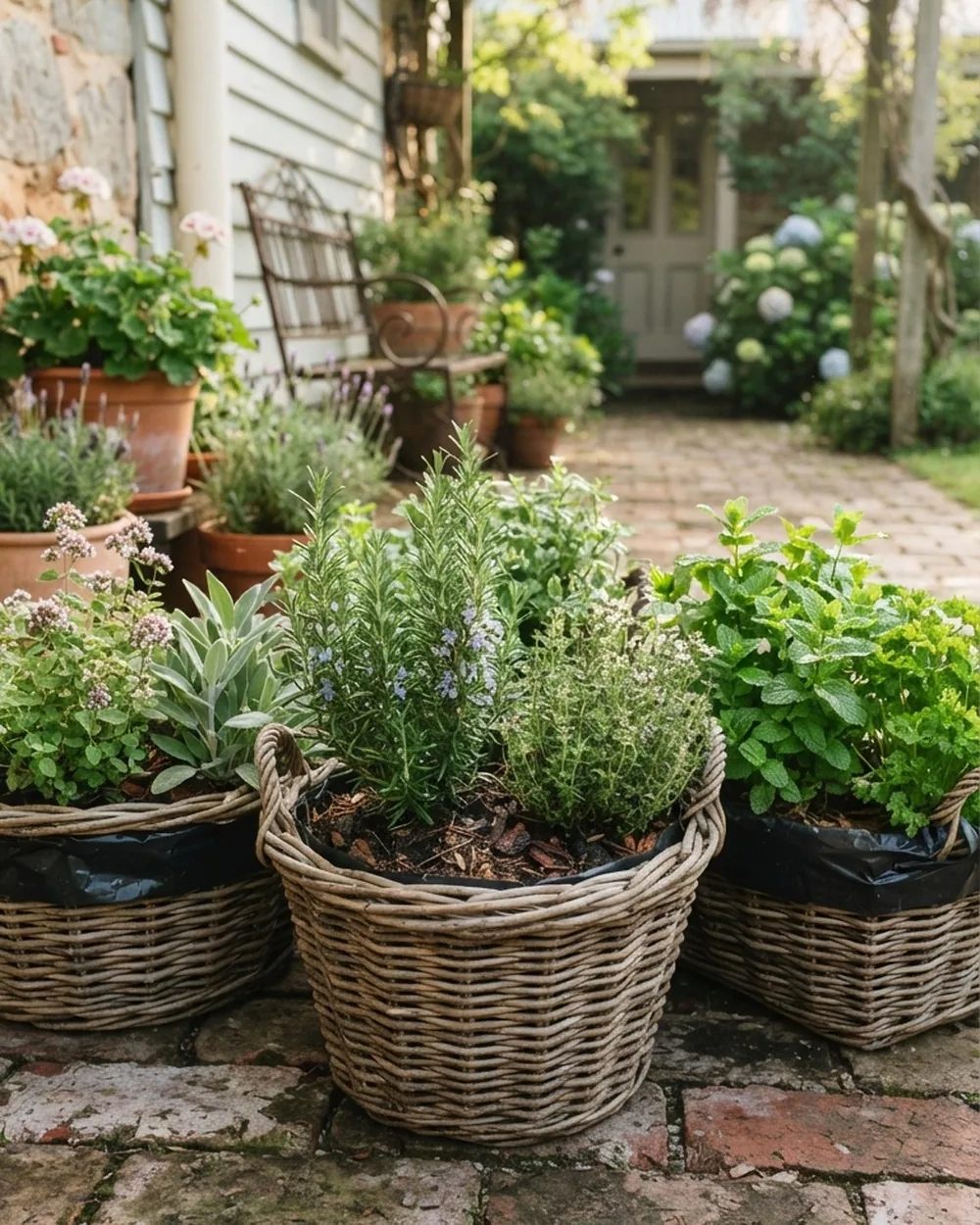
Lined wicker baskets provide a soft, natural texture that contrasts with the sharp edges of outdoor furniture or stone walls. They give your garden an organic, relaxed feel that is very popular in coastal or farmhouse styles. Over time, the wicker will weather, adding to the rustic appeal of the space.
Use a thick, durable plastic liner inside the basket to prevent the wicker from rotting when it gets wet. Elevate the basket on a small stand or brick to ensure air circulation beneath the base, which will significantly extend the life of the material.
20. Concrete Block Stacks
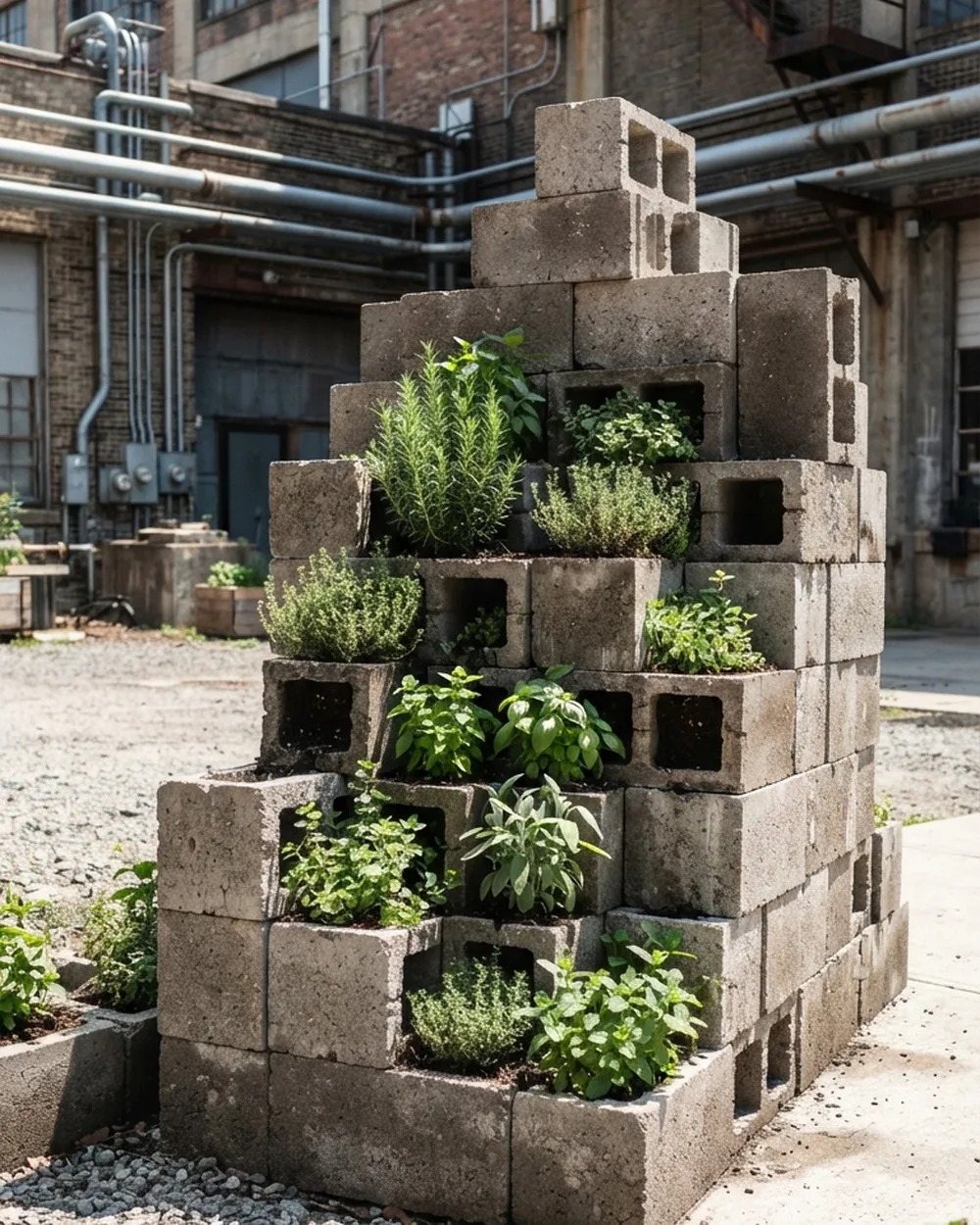
Standard cinder blocks used as planters create a brutalist, industrial look that is incredibly durable and inexpensive. You can stack them in various patterns to create height and separation between different herb types. The grey concrete provides a neutral, modern background that makes the vibrant green of the herbs pop.
Fill the center holes of the blocks with soil to house your plants, and use the side holes for structural stability or as drainage channels. If the look is too stark, you can paint the concrete blocks or grow trailing vines on the exterior to soften the edges.
21. Tiered Herb Spiral
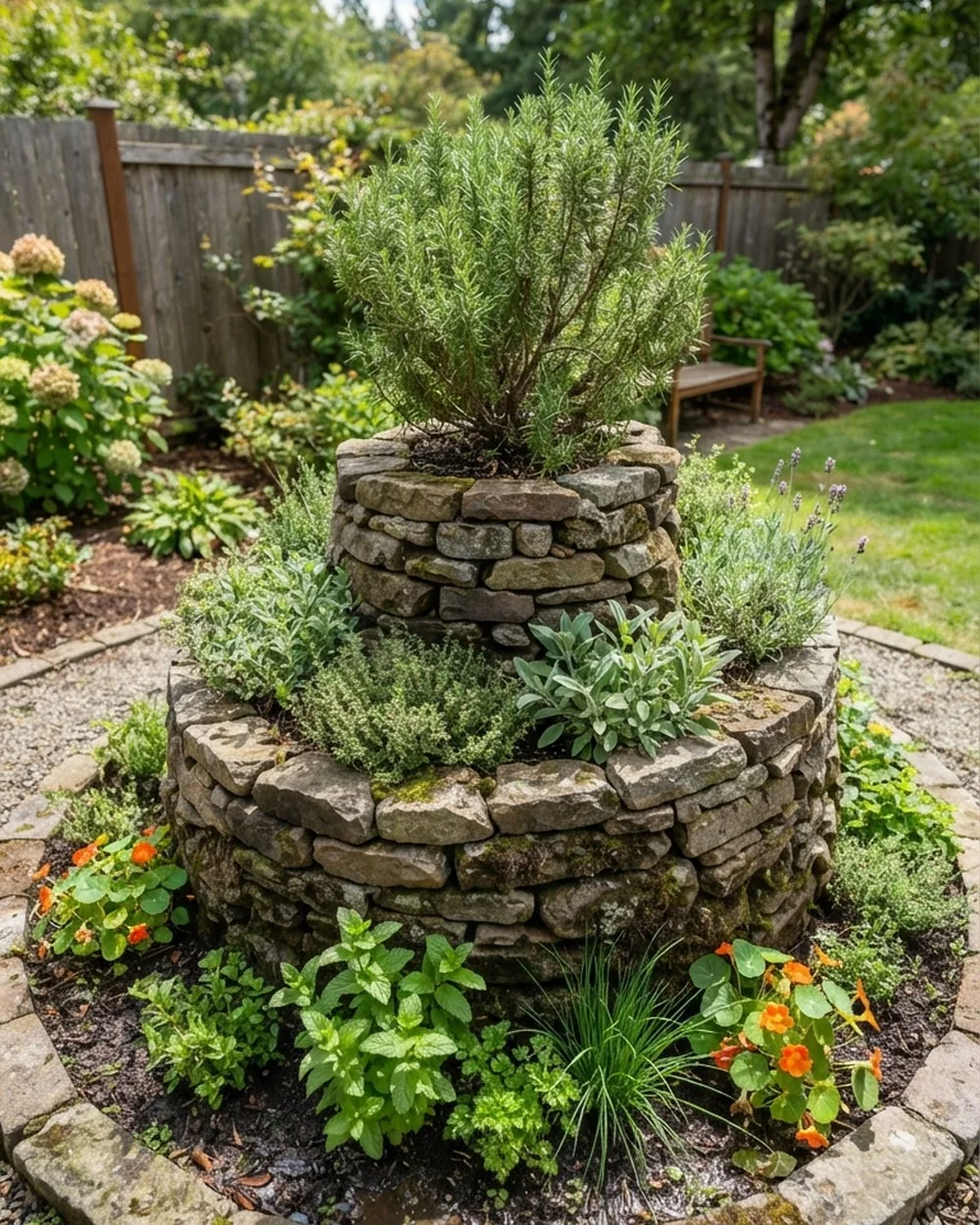
A classic permaculture technique, the herb spiral uses rocks or bricks to create a gradual rise in soil height. This design creates different microclimates, with sun-loving, dry-soil herbs like rosemary at the top and moisture-loving mint or parsley at the bottom. It is a highly efficient, self-sustaining system for a garden bed.
Build the spiral by laying down a base of stones in a circular shape and gradually tapering it upward toward the center. Fill the center with a mix of compost and sandy soil, ensuring the structure is solid enough to prevent the soil from eroding during heavy rain.
22. Glass Terrarium
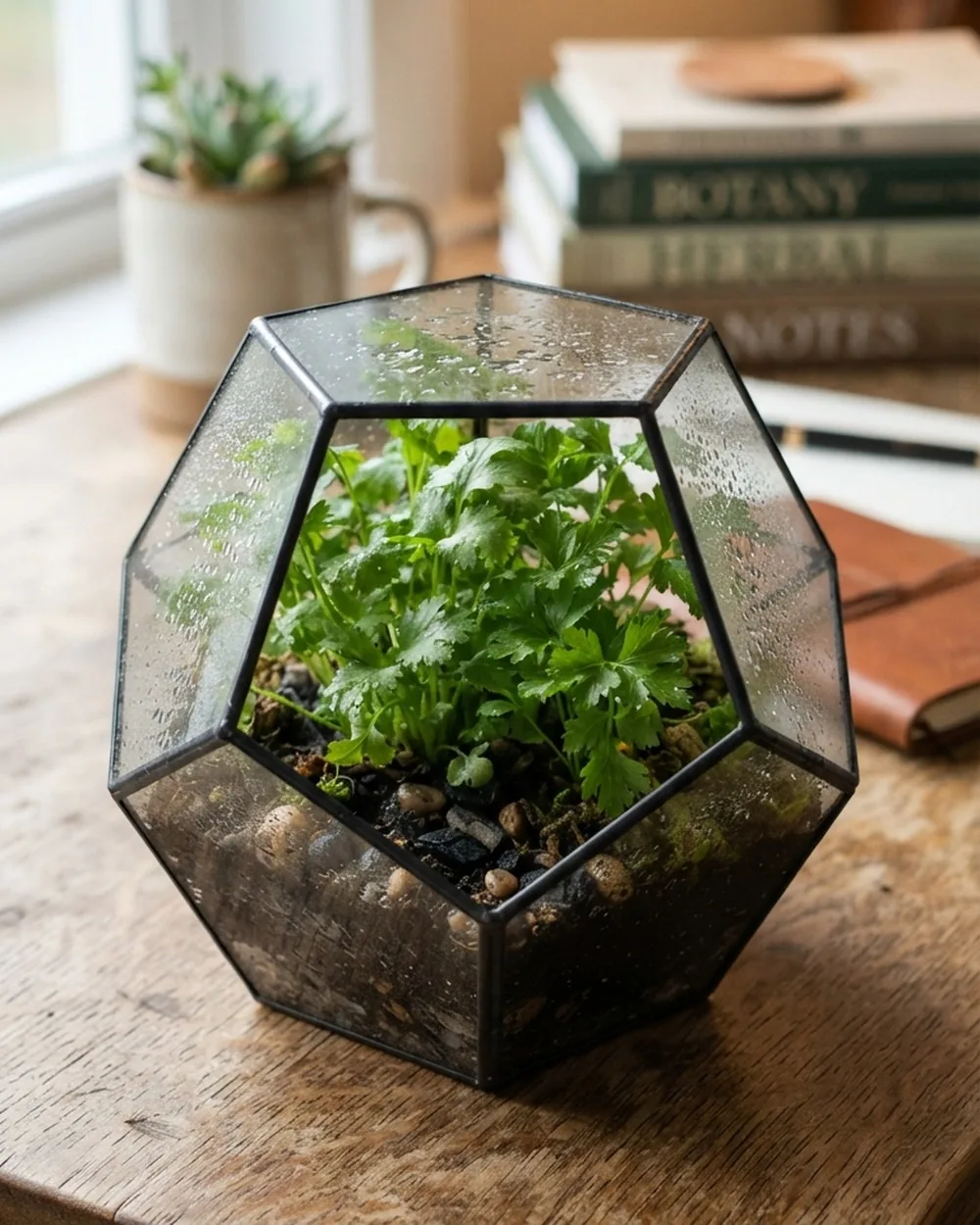
A small, enclosed or semi-enclosed glass terrarium is best for humidity-loving herbs like cilantro or parsley. It looks like a miniature laboratory or a decorative piece of art on a desk. This is a low-maintenance option that requires very little water due to the condensation cycle.
Use a wide-mouthed container to ensure you have enough room for airflow. Add a layer of pebbles, then charcoal, then potting soil to create the necessary drainage layers that keep the roots from sitting in stagnant water.
23. Rolling Crate Cart
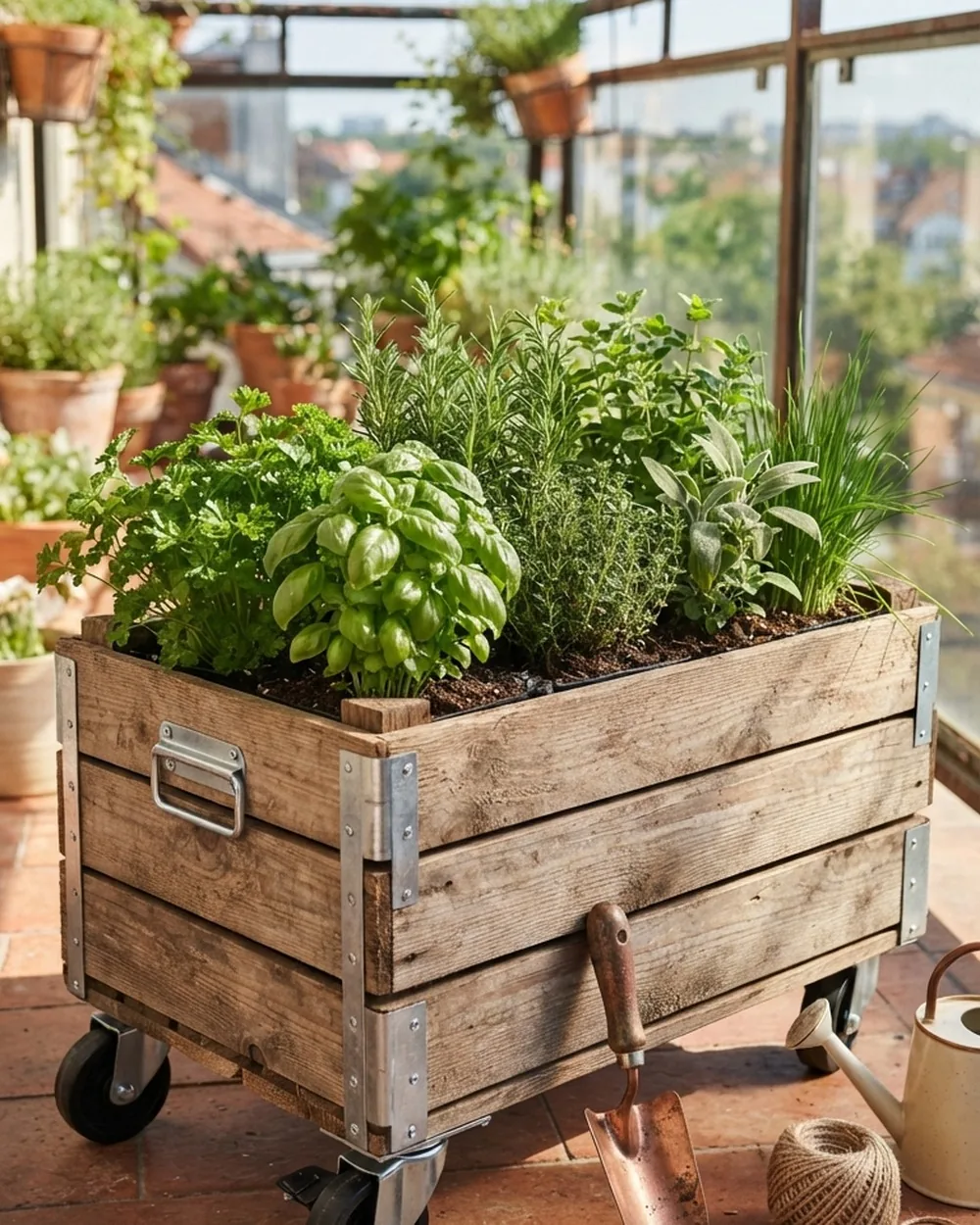
A wooden crate mounted on heavy-duty casters turns your herb garden into a mobile unit that can follow the sun throughout the day. This is the ultimate solution for balconies or patios that have shifting light patterns. It looks like a miniature farm crate and can be easily tucked away when not in use.
Use locking casters so you can keep the cart stationary once you have moved it to the sunniest spot. Sand and seal the wood to protect it from the elements, as it will be moved across various surfaces and exposed to different weather conditions.
Getting Started with Your Garden
Designing your own space for fresh greens is a rewarding project that pays off in every meal you prepare. Whether you choose a simple window box or an elaborate vertical system, the key to success lies in matching your chosen herbs to the light and water they need. Start small by focusing on the varieties you use most frequently, such as basil, parsley, or chives, and expand your collection as you become more comfortable with the maintenance.
These herb garden ideas serve as a foundation for your journey into home growing, helping you create a functional and beautiful feature that enhances both your kitchen and your outdoor living area. Pick one of these concepts today and enjoy the immediate benefit of fresh, fragrant clippings right from your own home.


