25 Narrow Flower Bed Ideas for 2026 | Beautiful Small-Space Gardens

Transforming tight strips of soil along walkways or foundation walls into vibrant displays requires a sharp eye for scale and texture. These specific narrow flower bed ideas leverage vertical space and repetitive planting patterns to ensure that even the smallest garden footprint feels intentional and lush.
By selecting the right plant species that thrive in restricted root zones, you can turn an awkward, thin patch of dirt into a focal point that draws the eye upward and outward. Whether you are dealing with a shaded side yard or a sun-drenched front entry, these design concepts provide the structure needed to create a balanced, professional-looking landscape that stands the test of time.
1. Vertical Trellis Climbers
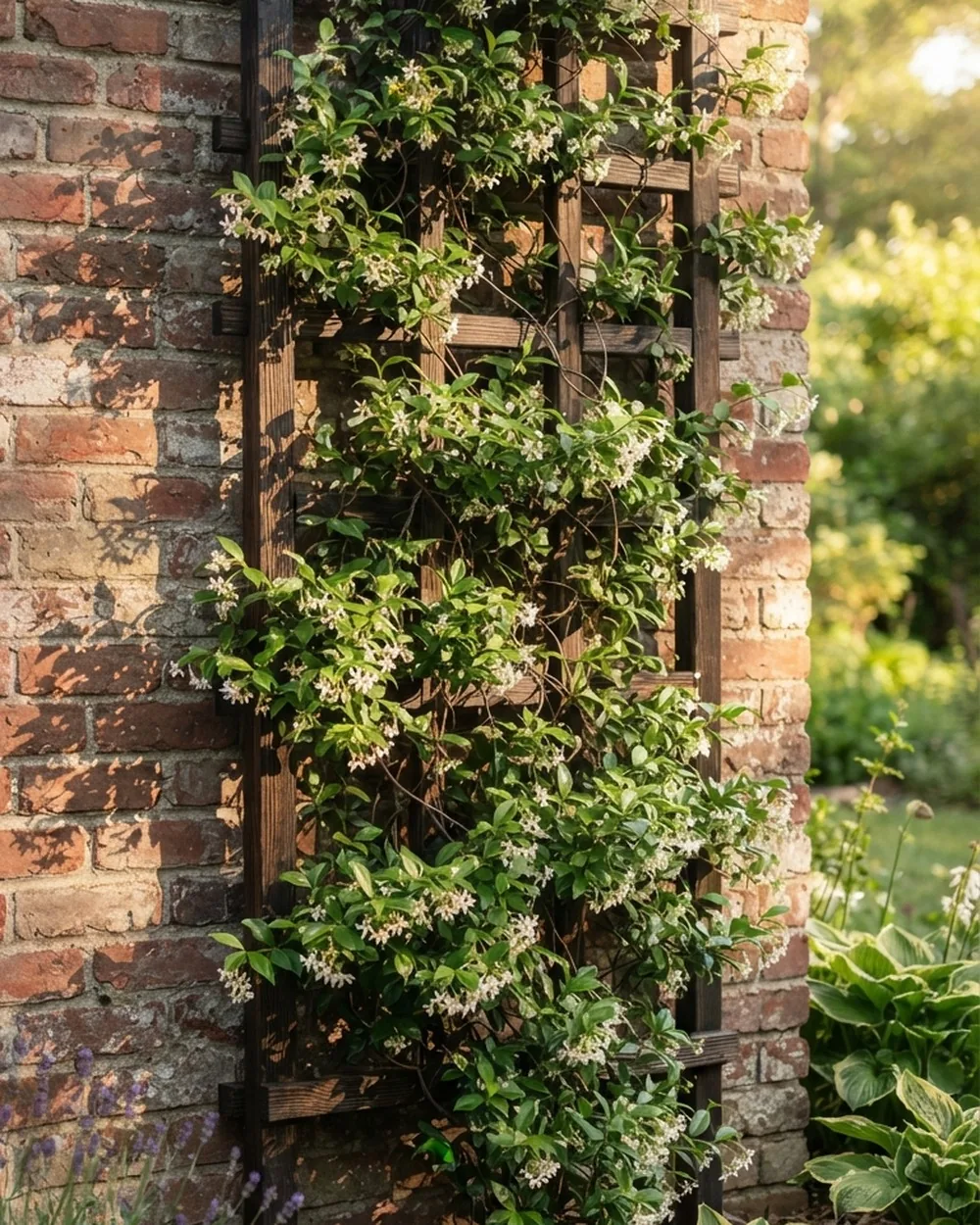
Positioning a sleek, dark-stained wood trellis against a blank exterior wall allows you to grow climbing vines like star jasmine or clematis in a very thin footprint. The vertical structure draws the gaze upward, making the area feel larger while providing a dense, green backdrop that hides unattractive siding or brickwork.
Also Read: 24 Backyard Patio Ideas to Create a Beautiful Outdoor Retreat
Secure the trellis with heavy-duty stand-off brackets to create a two-inch air gap between the wood and the wall, which prevents moisture buildup and keeps your siding in good condition.
2. Boxwood Hedge Borders
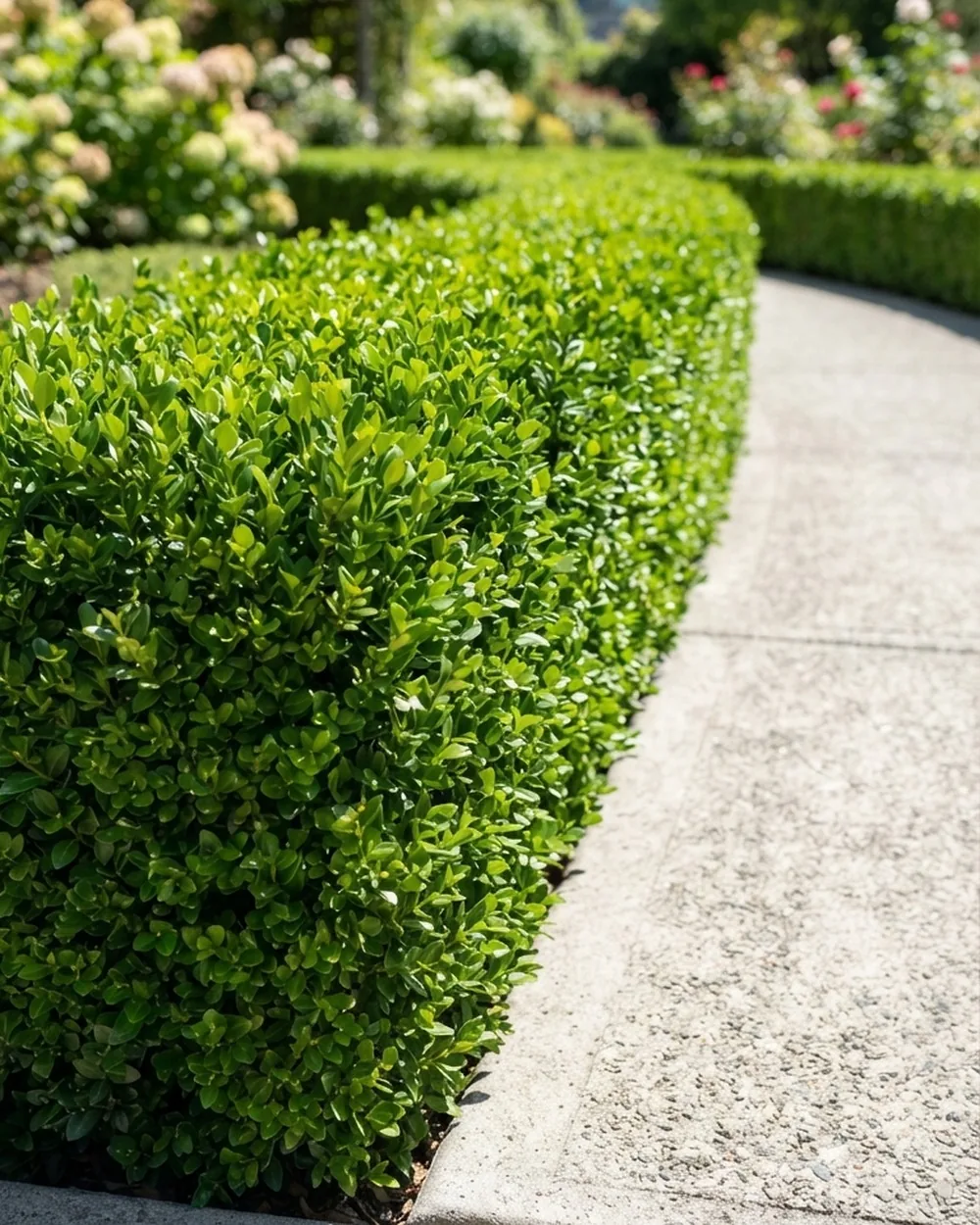
A continuous, tightly clipped row of ‘Green Velvet’ boxwoods creates a formal, manicured look that works perfectly in beds less than two feet wide. This evergreen structure remains vibrant throughout the winter, providing a consistent, low-maintenance green line that defines the edge of your walkway or lawn.
Use a pair of battery-powered hedge trimmers twice a year to keep the top and sides perfectly flat, ensuring the dense growth habit remains uniform and prevents gaps from forming.
3. Ornamental Grass Corridors
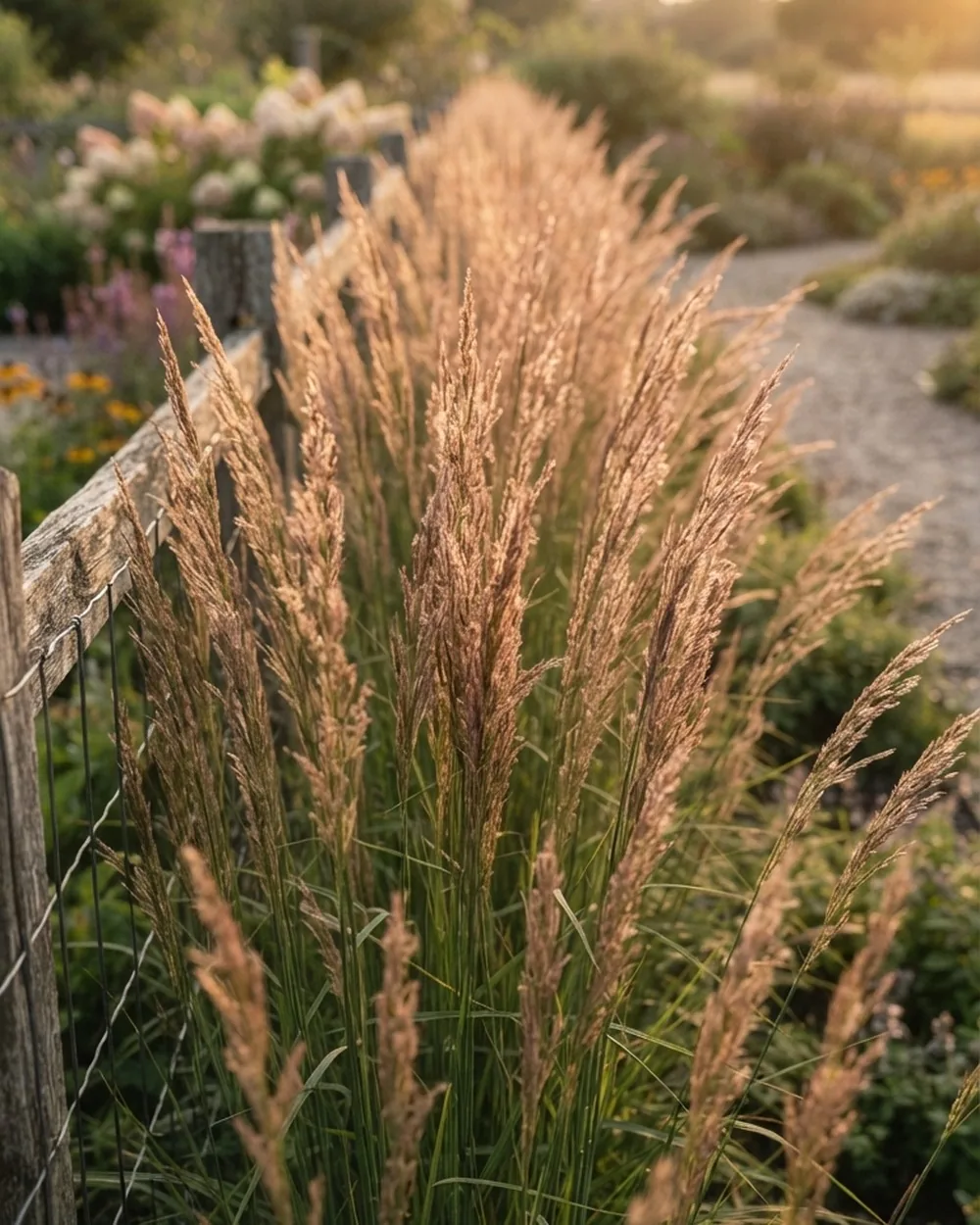
Planting a single row of feather reed grass, such as ‘Karl Foerster’, creates a soft, modern aesthetic that sways with the wind. Because these grasses grow vertically rather than spreading wide, they are ideal for tight spaces where you want height without the bulk of traditional shrubs.
Cut the foliage back to six inches above the ground in late winter to ensure the new growth comes back strong and vertical rather than flopping over as the season progresses.
4. Sun-Loving Lavender Strips
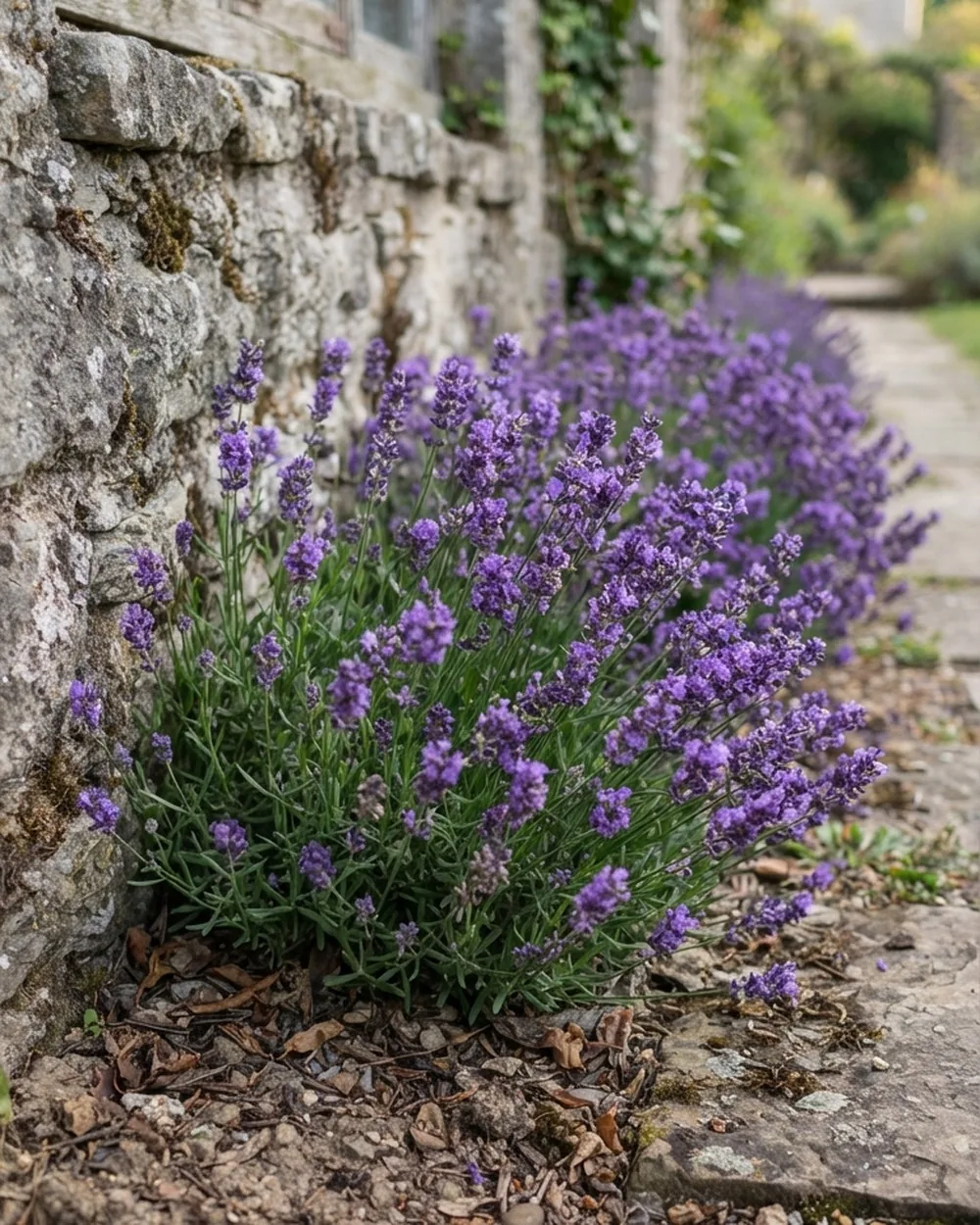
Lavender thrives in dry, narrow conditions and provides a fragrant, silver-green aesthetic that softens hardscaping like concrete paths or stone foundations. The compact, mounded shape of these plants fits neatly into small beds while offering a Mediterranean feel that contrasts beautifully with gray or beige stone.
Ensure you plant these in well-draining soil mixed with horticultural grit or sand, as they will quickly perish if their roots sit in stagnant, heavy clay during the wetter months.
ALso Read: 23 Herb Garden Ideas for 2026 | Easy, Creative & Beautiful Gardens
5. Layered Hosta and Ferns
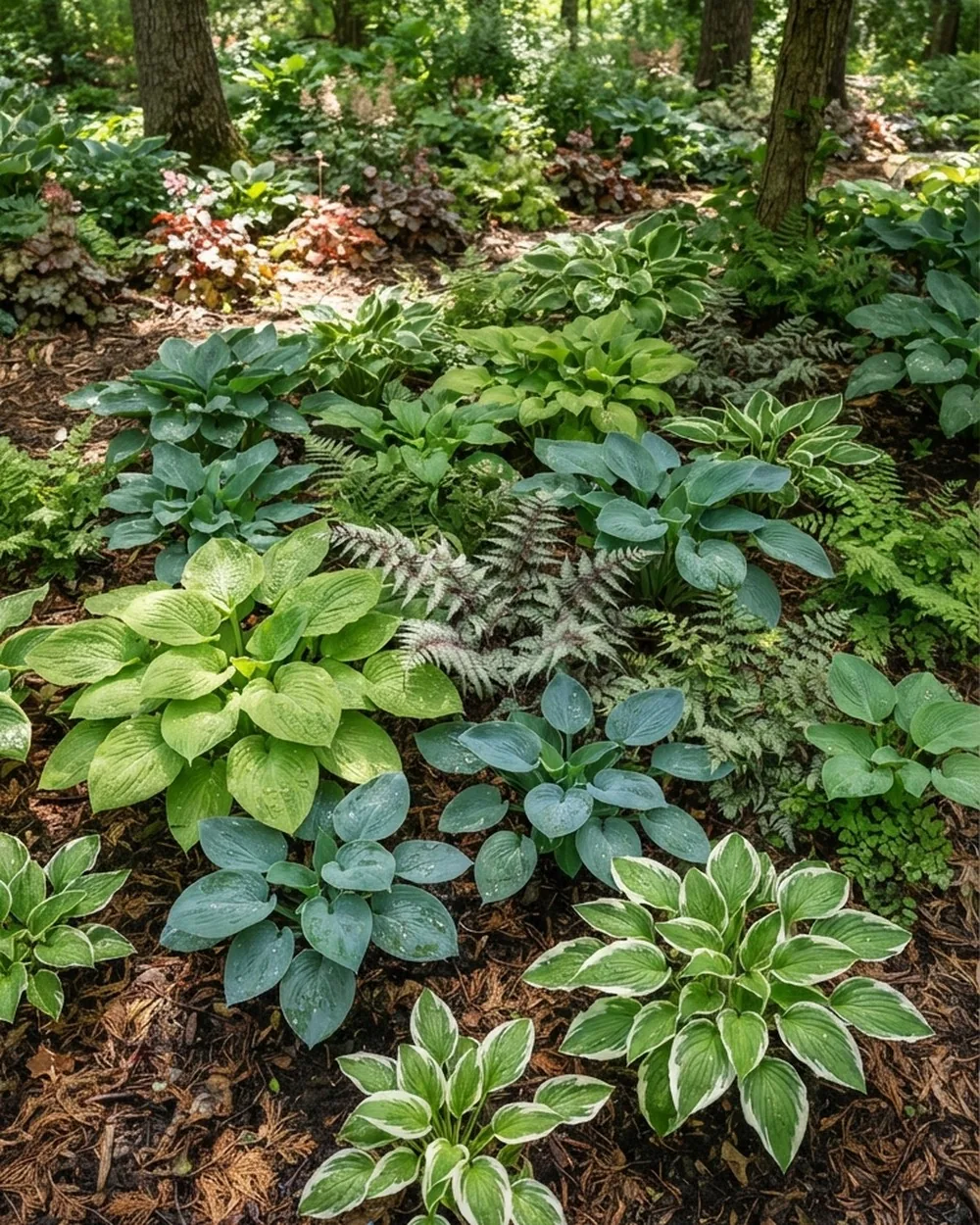
In shaded, narrow areas, mixing different shades of green through hostas and ferns creates a lush, woodland-inspired look. By alternating large-leafed hostas with delicate, feathery ferns, you create a complex texture that makes a shallow bed feel much deeper than it actually is.
Apply a thick layer of shredded cedar mulch around the base of these plants to retain moisture, which is the secret to keeping foliage from browning during the heat of midsummer.
6. Succulent Rock Gardens
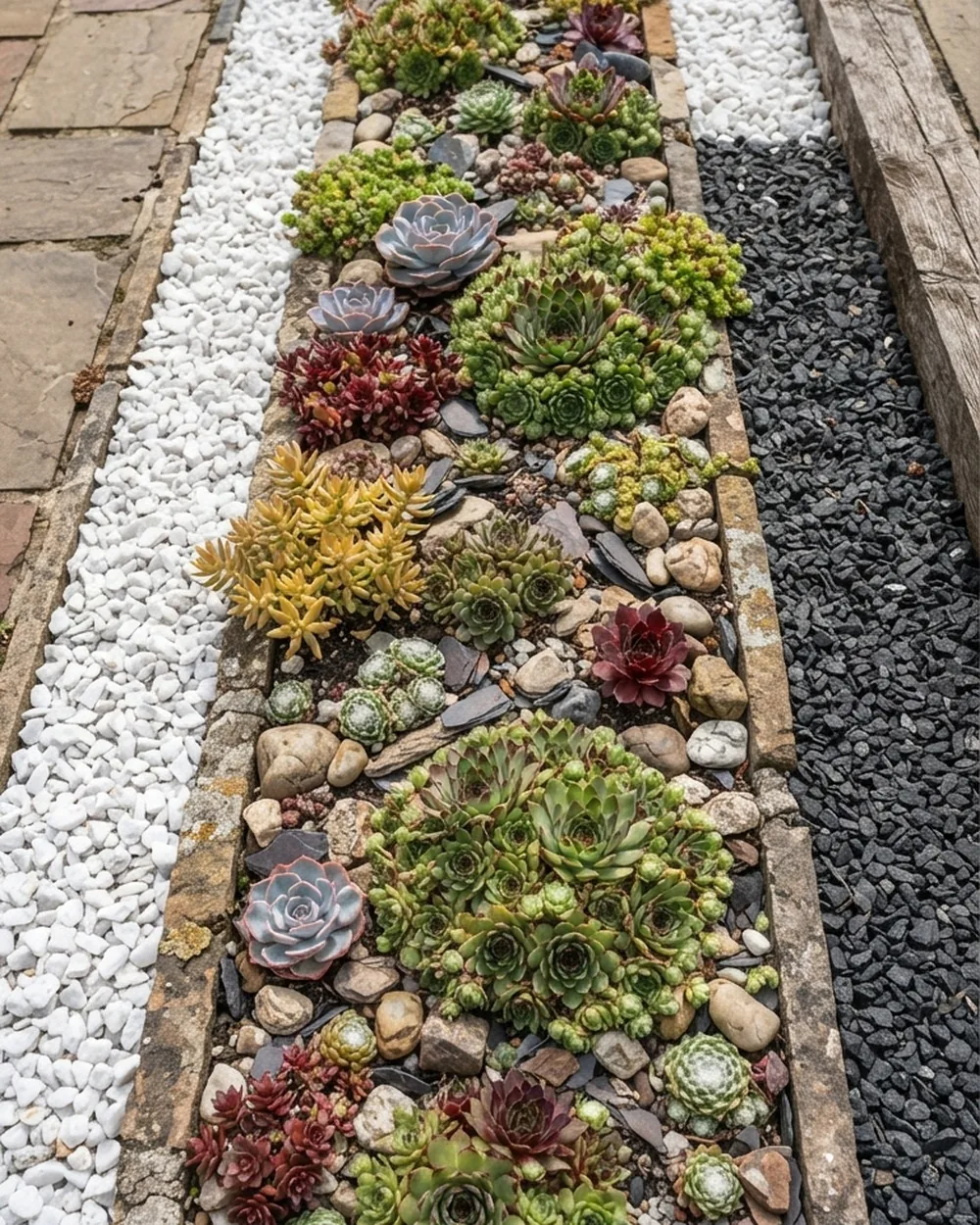
A narrow bed filled with various sedums and hens-and-chicks creates a rugged, high-desert look that requires almost no water once established. Using different colors of gravel—such as crushed basalt or white marble—between the plants makes the bed look clean and intentional, acting like a frame for the succulents.
Also Read: 28 Small Backyard Garden Ideas for 2026 | Beautiful & Easy Designs
Install a landscape fabric barrier underneath the gravel to prevent weeds from popping up between your succulents, as hand-weeding in a rock-filled bed is notoriously difficult.
7. Flowering Perennial Ribbon
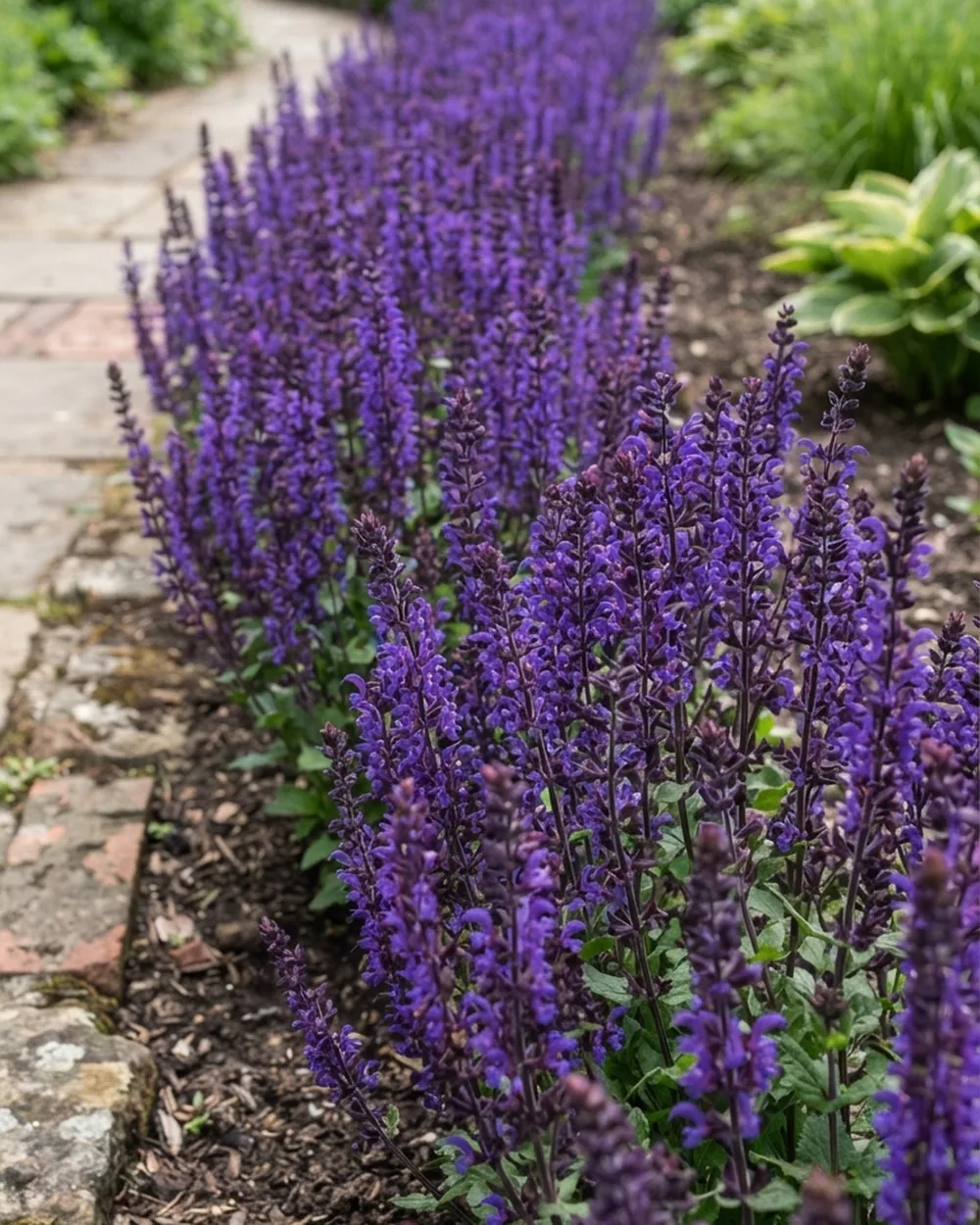
Create a color block by planting a single species, like purple salvia or yellow coreopsis, in a continuous line along the length of your narrow bed. This repetition creates a high-impact display that looks like a professional landscape design rather than a collection of random plants.
Deadhead the spent flowers once the first bloom cycle ends to encourage a second flush of color, which will keep your narrow strip looking fresh until the first frost.
8. Box Planters with Seasonal Color
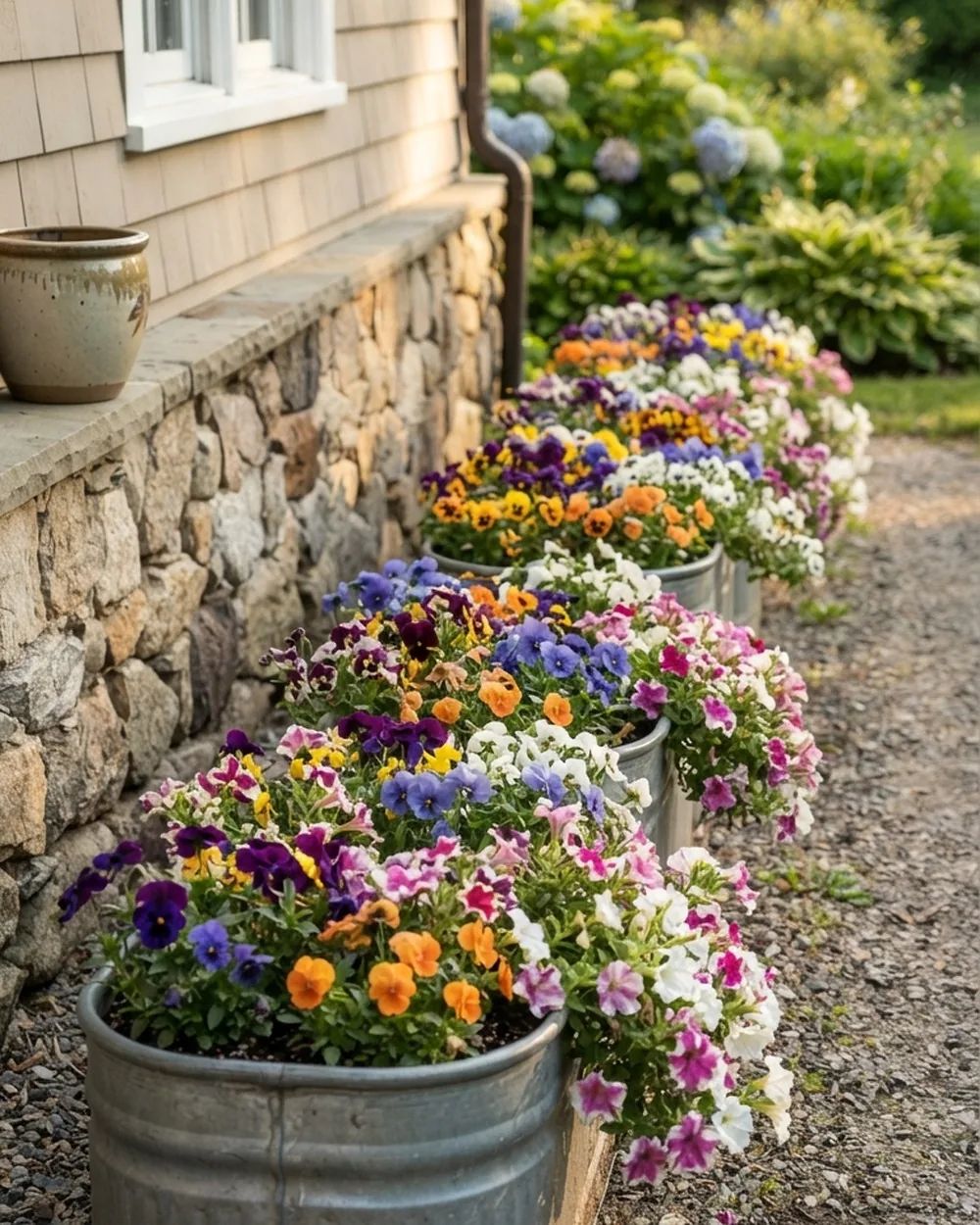
If the ground is too rocky or narrow for traditional planting, install a series of matching wooden or metal troughs along the foundation. These containers elevate the root systems and allow you to swap out annual flowers like pansies or petunias every season without digging into the soil.
Drill extra drainage holes in the bottom of your troughs to ensure the roots don’t rot, as narrow containers can hold excess water after heavy rainstorms.
9. Dwarf Conifer Columns
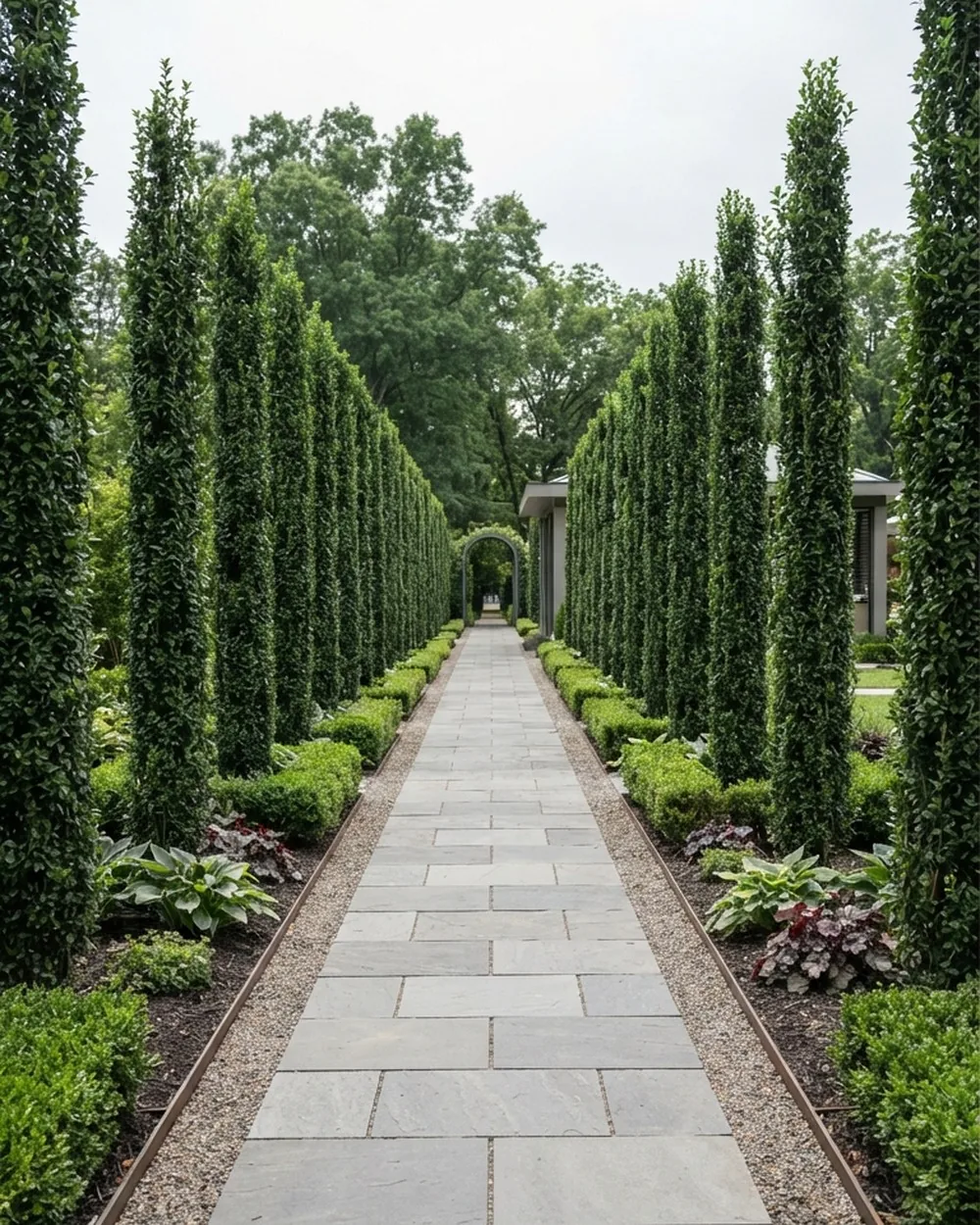
Using slow-growing, upright conifers like ‘Sky Pencil’ holly or ‘Taylor’ juniper provides year-round architectural structure in very tight spots. These plants grow in a tight, columnar shape that won’t encroach on walkways, making them a perfect choice for narrow foundation beds.
Space these conifers at least three feet apart to ensure adequate airflow, which prevents fungal issues and allows each individual plant to maintain its distinct, narrow silhouette.
10. Edible Herb Edging
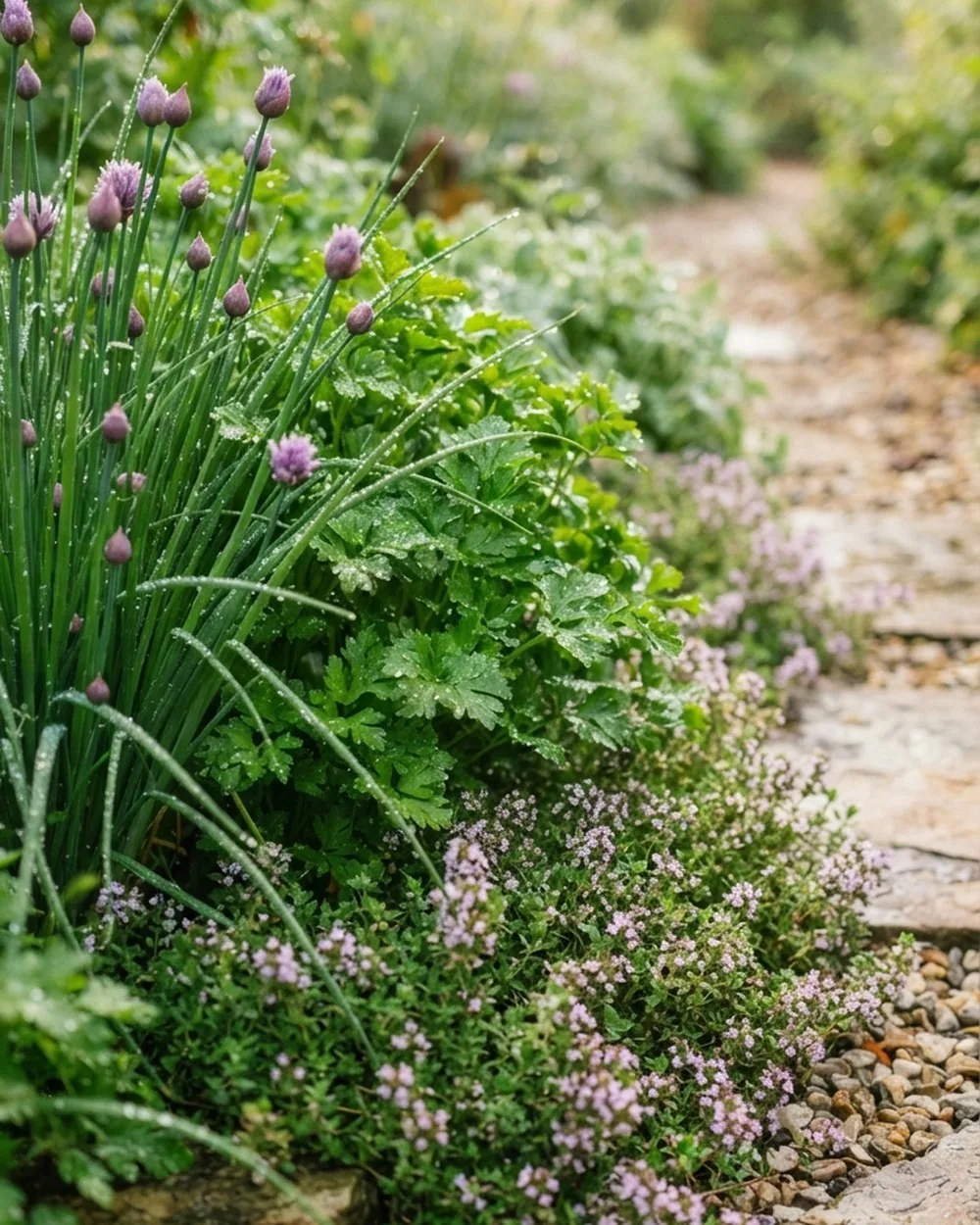
A narrow strip along a sunny path is the perfect place to grow culinary herbs like chives, parsley, and thyme. These plants are naturally compact and look beautiful when allowed to grow together in a semi-wild, cottage-garden style that smells wonderful every time you brush past them.
Harvest your herbs frequently to encourage a bushy growth habit, which keeps the plants from getting leggy or leaning too far into your walking path.
11. River Rock and Boulders
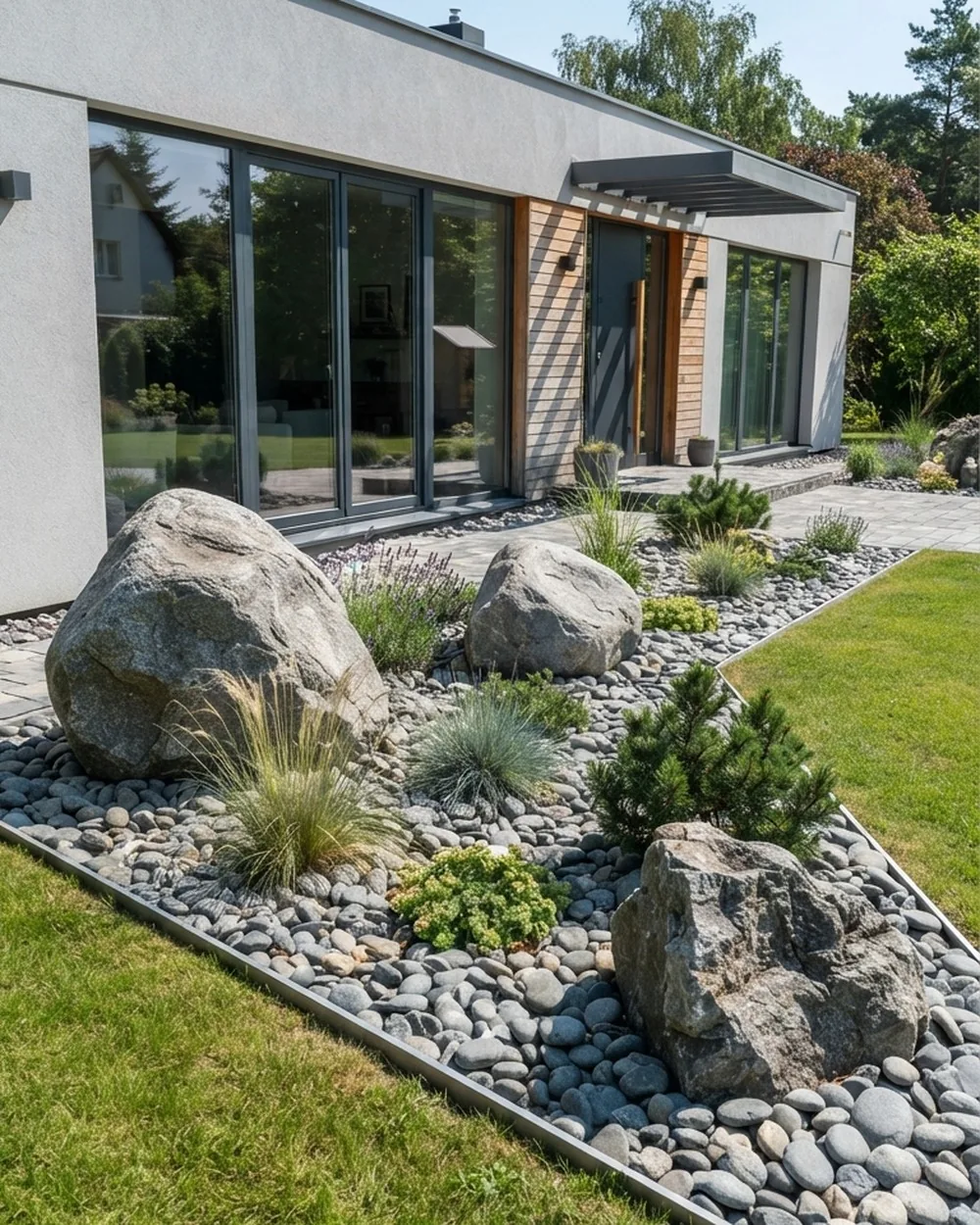
For a low-maintenance look, fill a narrow space with smooth river stones and a few strategically placed larger boulders. This creates a clean, Zen-like atmosphere that works well with modern home architecture and requires zero irrigation or pruning.
Place the largest boulders slightly off-center to create a natural focal point, and use a variety of stone sizes to make the composition feel organic rather than forced.
Also Read: 26 Man Cave Ideas for Stylish & Functional Spaces
12. Hydrangea Hedge
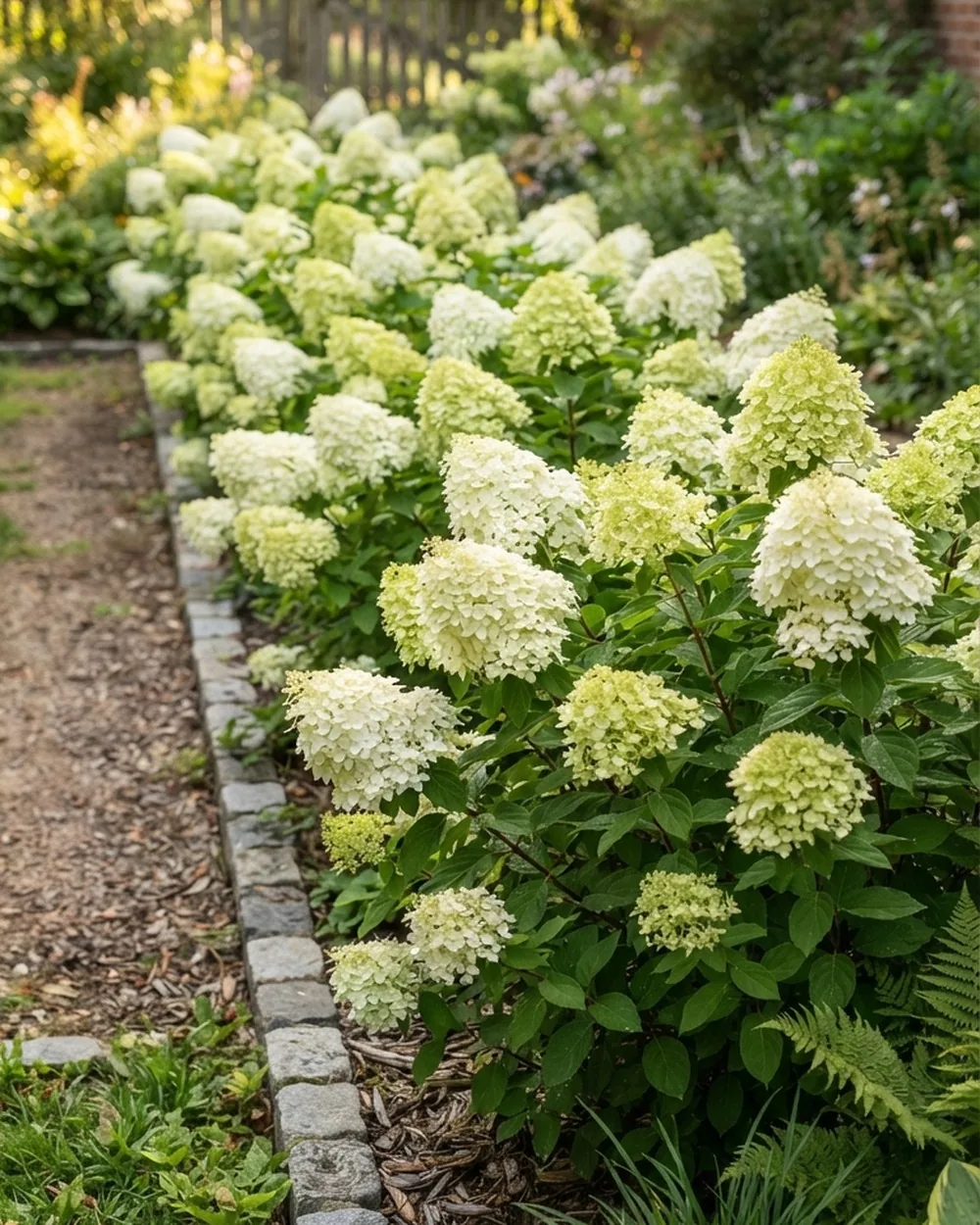
Planting a line of compact ‘Little Lime’ hydrangeas provides a massive punch of color in a relatively narrow footprint. These shrubs are bred to stay smaller than traditional varieties, making them manageable for beds that are only three feet deep while still offering large, showy blooms.
Prune these back by one-third in early spring to encourage dense, sturdy stems that can support the weight of the large flower heads during summer storms.
13. Vertical Wall Planters
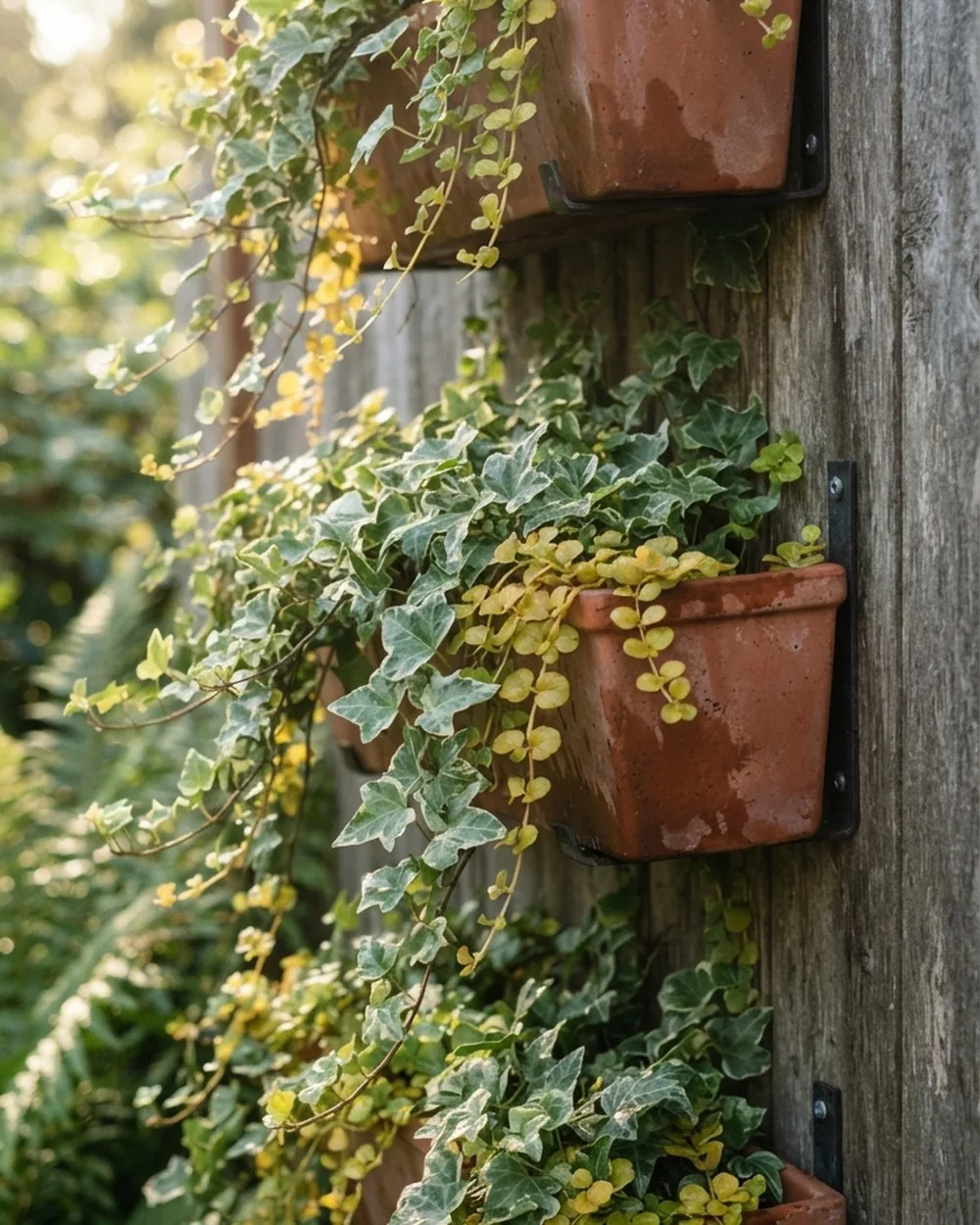
If the bed is too narrow for ground plants, mount a series of vertical wall planters directly to the side of the house. You can fill these with trailing plants like creeping Jenny or ivy to create a living wall effect that adds greenery without taking up any footprint on the ground.
Use lightweight, self-watering wall planters to reduce the frequency of maintenance, especially if the wall is in a spot that is difficult to reach with a hose.
14. Gravel Path and Border
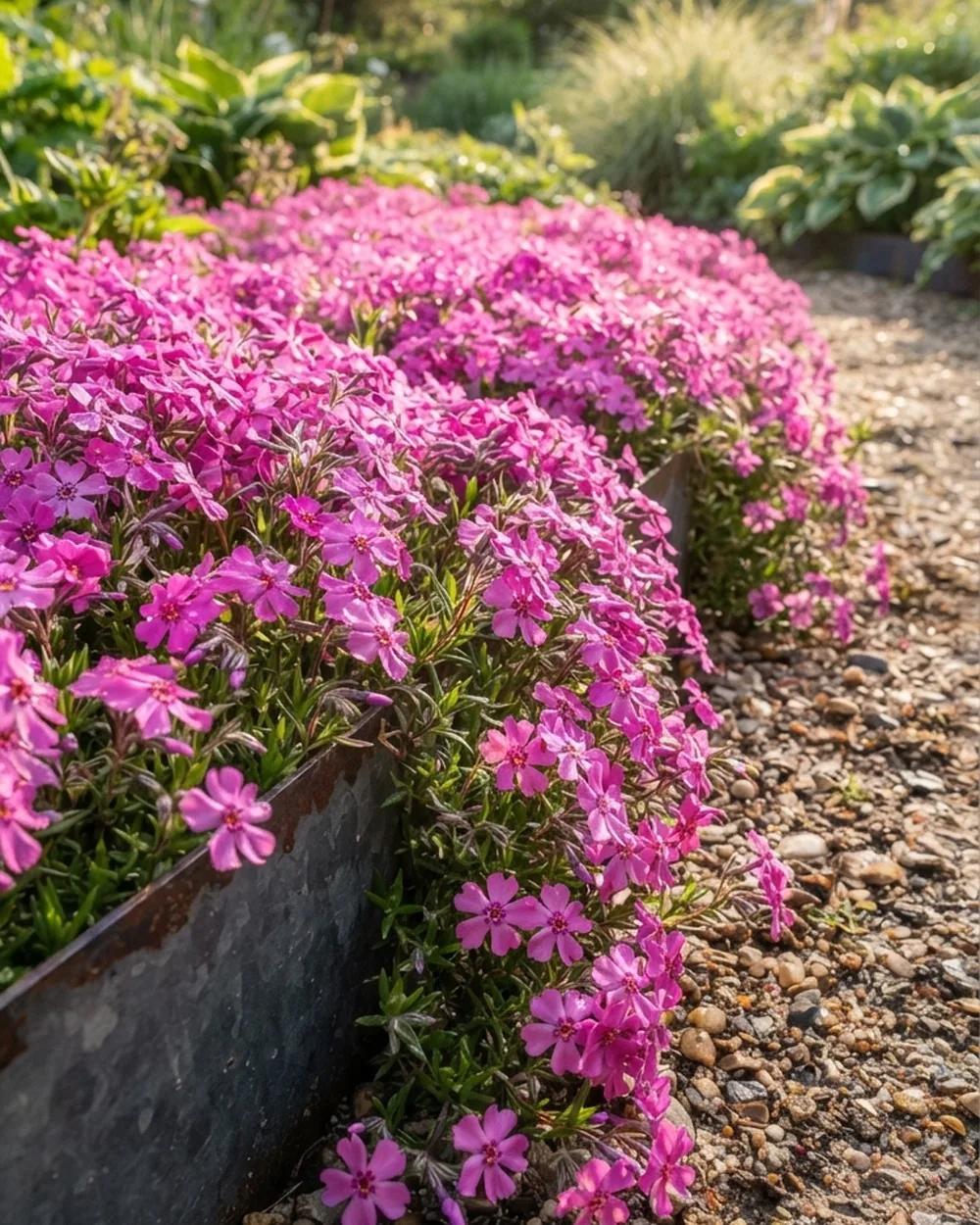
Create a narrow flower bed that acts as a transition zone between a hard gravel path and the house foundation. By planting low-growing, creeping perennials like moss phlox, you create a soft, carpeted edge that spills slightly onto the gravel for a natural, relaxed look.
Install a metal or plastic edging strip between the soil and the gravel to keep your path clean and prevent the plants from spreading into the walking area.
15. Bright Foliage Contrast
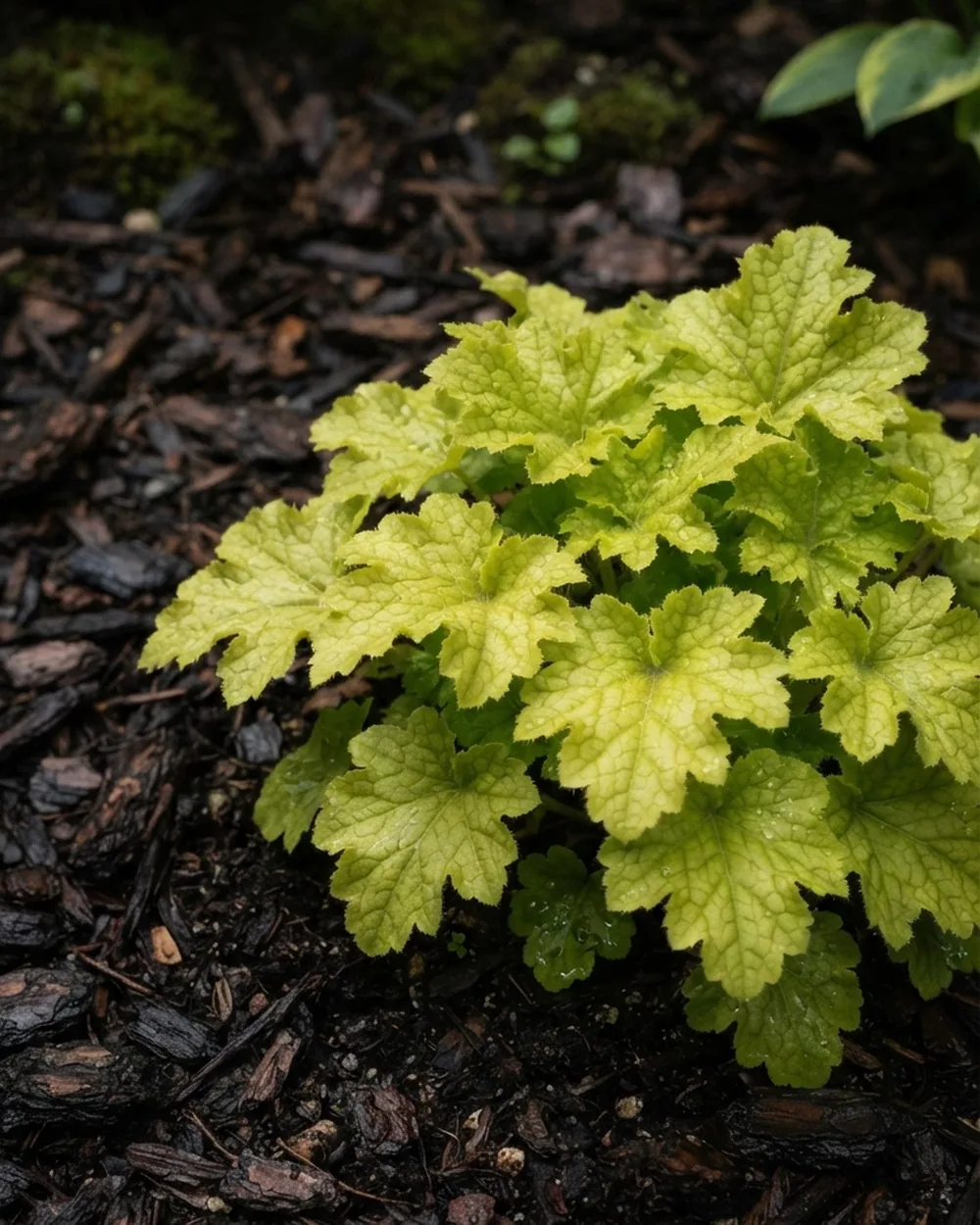
Use plants with chartreuse or variegated leaves, such as ‘Heuchera’ or ‘Hakonechloa’, to brighten up a dark, narrow corner. The light-colored foliage reflects light and stands out against dark mulch or gray concrete, making the narrow space look wider and more inviting.
Pair these with a dark, contrasting background, such as a black painted fence or dark mulch, to make the bright colors pop even more effectively.
16. Tiered Terracotta Pots
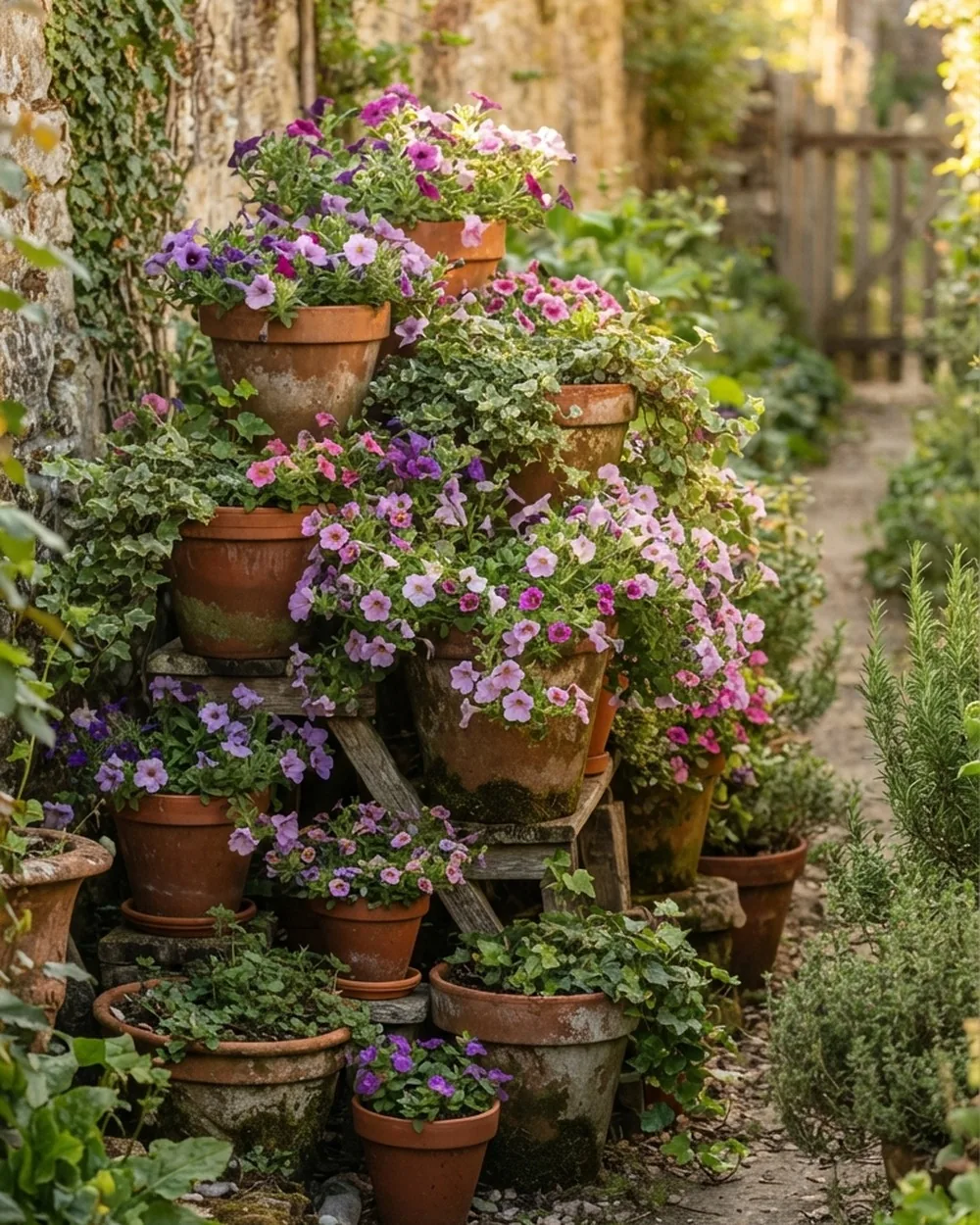
Instead of planting directly in the ground, use a variety of terracotta pots of different heights to create a tiered display in a narrow bed. This adds vertical interest and allows you to control the soil quality for each individual plant, which is helpful if your native soil is poor.
Group the pots in odd numbers—three, five, or seven—to create a more aesthetically pleasing arrangement that looks intentional rather than cluttered.
Also Read: 28 Nursery Remodel Ideas 2026 for a Stylish & Cozy Baby Room
17. Fern and Stone Walkway
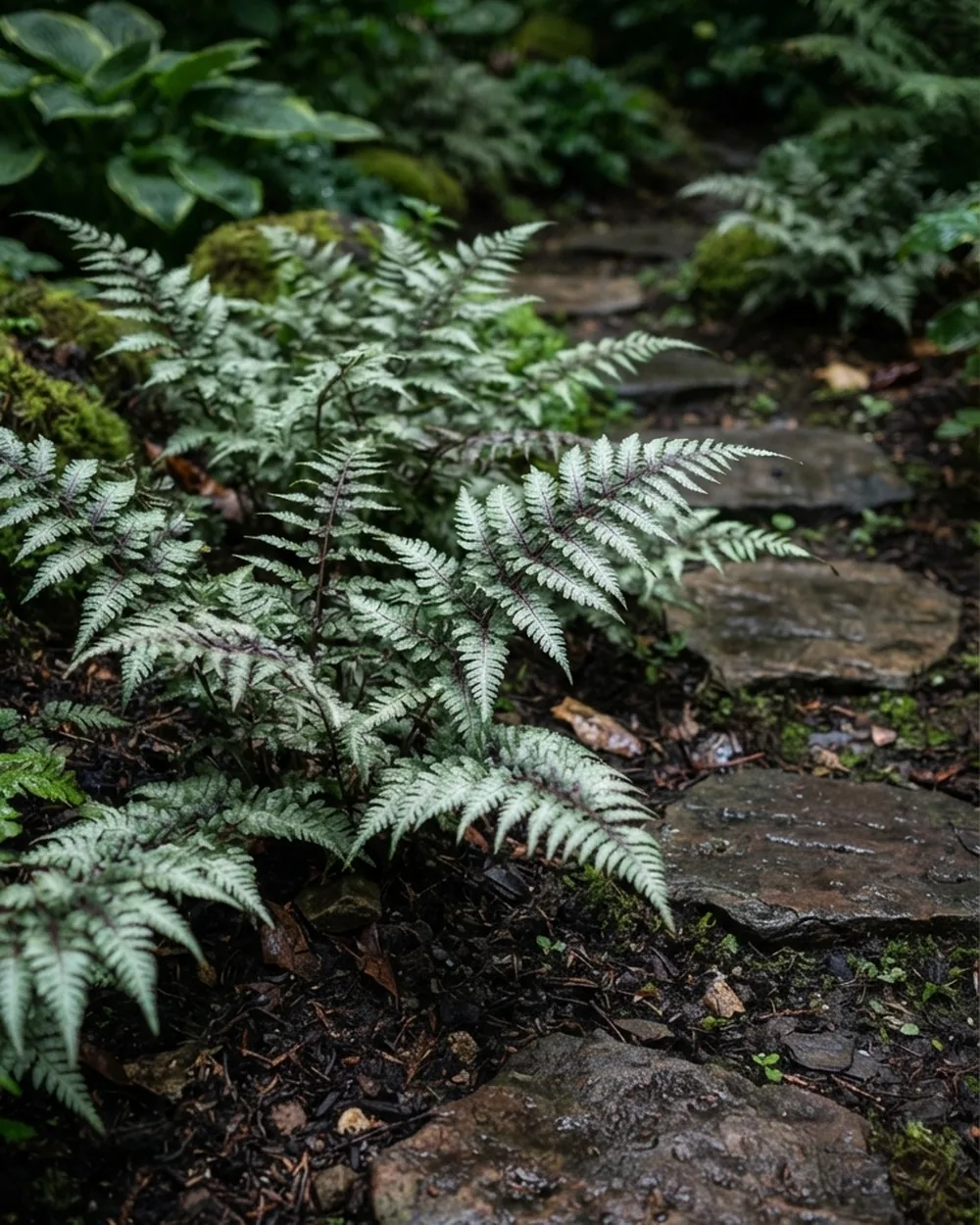
A narrow, shaded bed filled with a mass planting of Japanese painted ferns creates a delicate, silver-toned display. The metallic hues of the ferns glow in the shade, and adding a few flat stepping stones within the bed allows you to access the plants for maintenance without compacting the soil.
Check the moisture levels in the soil weekly, as ferns will quickly show signs of stress if the narrow bed dries out during hot, windy spells.
18. Peony Rows
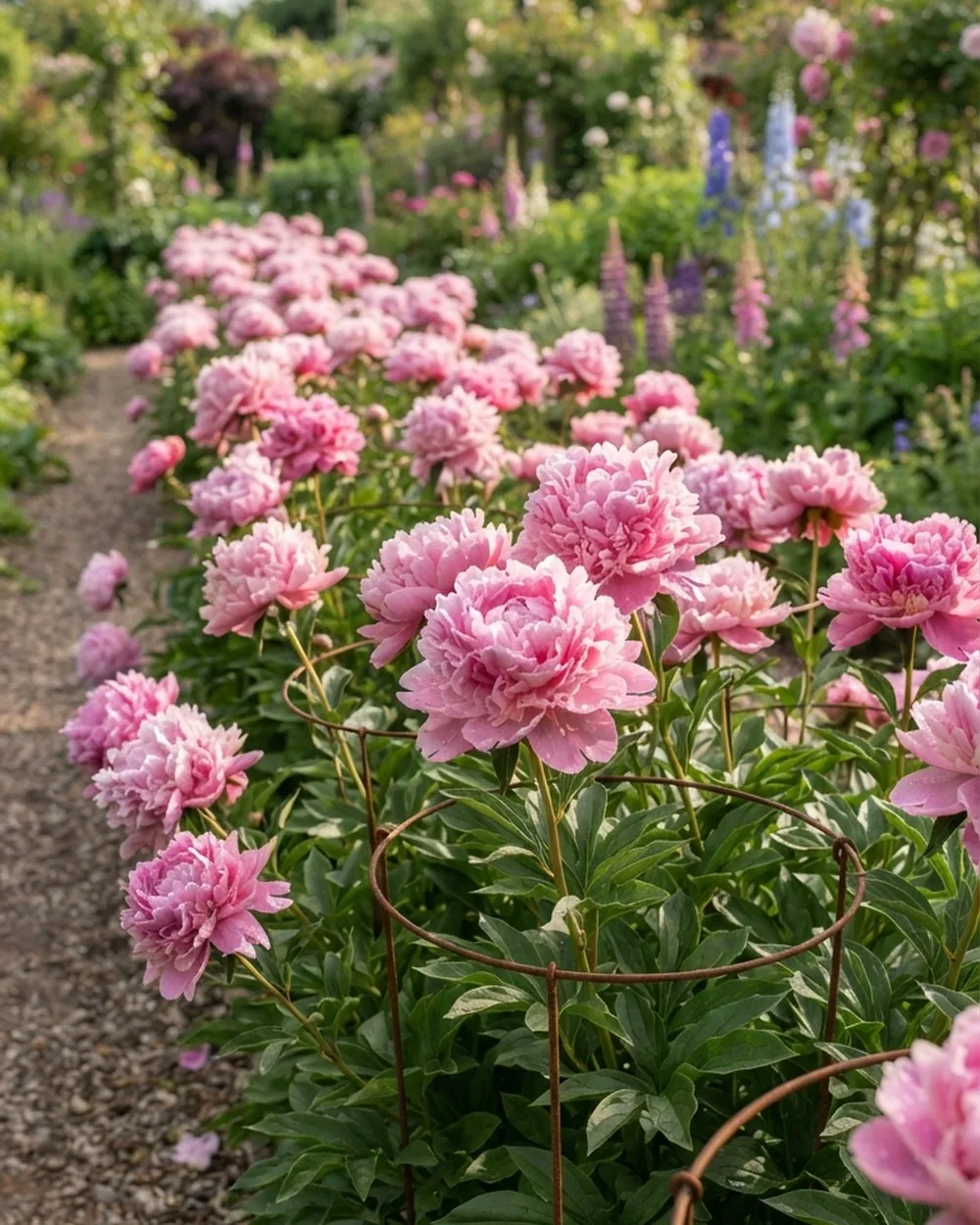
Planting a long row of peonies provides a spectacular, high-drama bloom in early summer that fills a narrow space with color. Because peonies have a long lifespan and return every year, they are a great investment for a permanent foundation border.
Install discreet, circular peony hoops early in the season so the stems can grow through them, which keeps the heavy blooms from falling over after a spring rain.
19. Native Wildflower Strip
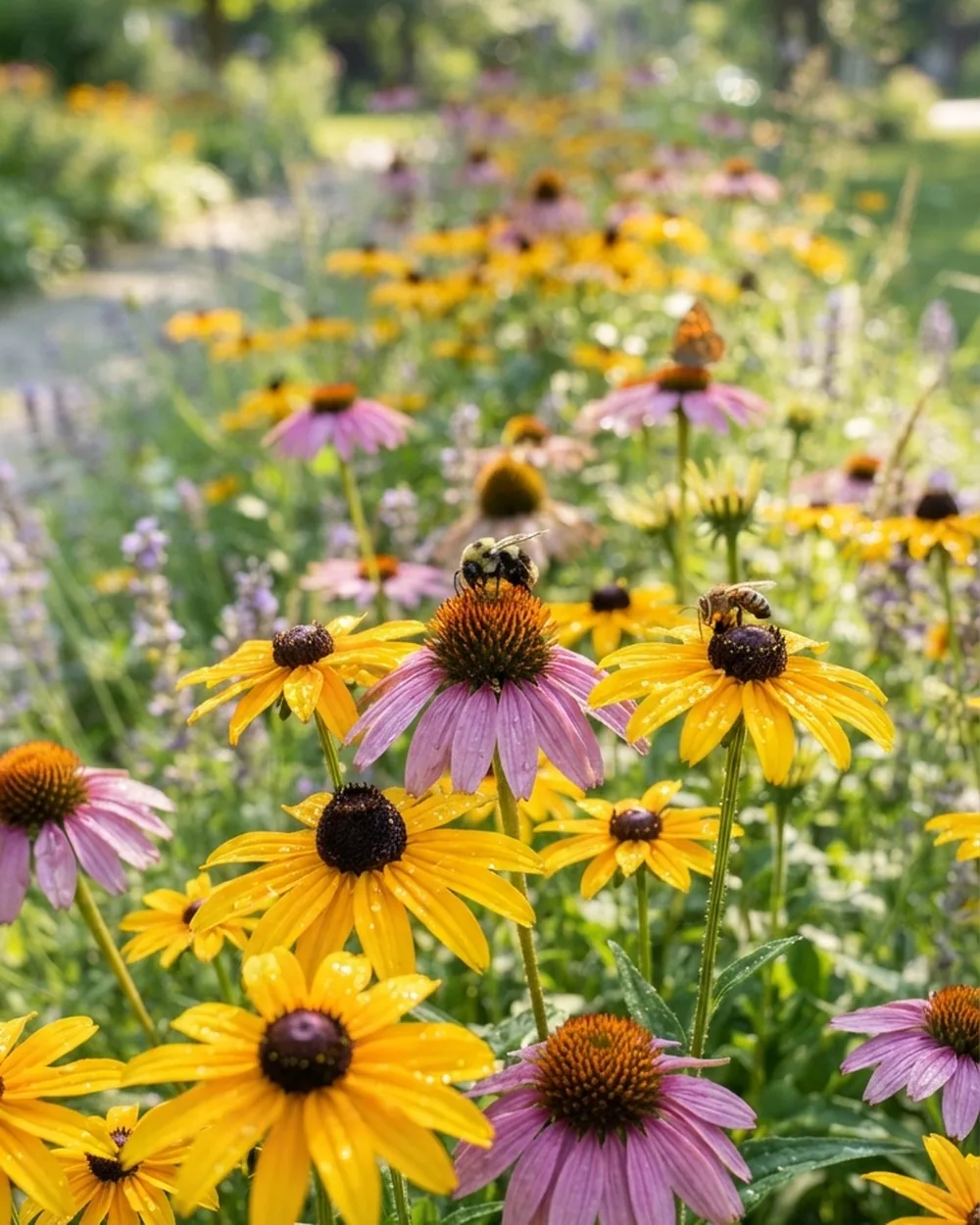
Use a mix of native perennials like coneflowers and black-eyed Susans to create a pollinator-friendly strip that looks beautiful all season. Native plants are adapted to your local climate and rainfall, making them an excellent low-maintenance choice for narrow beds that are hard to water.
Leave the dried seed heads on the plants through the winter to provide food for local birds and add structural interest to your garden during the colder months.
20. Upright Sedum Blocks
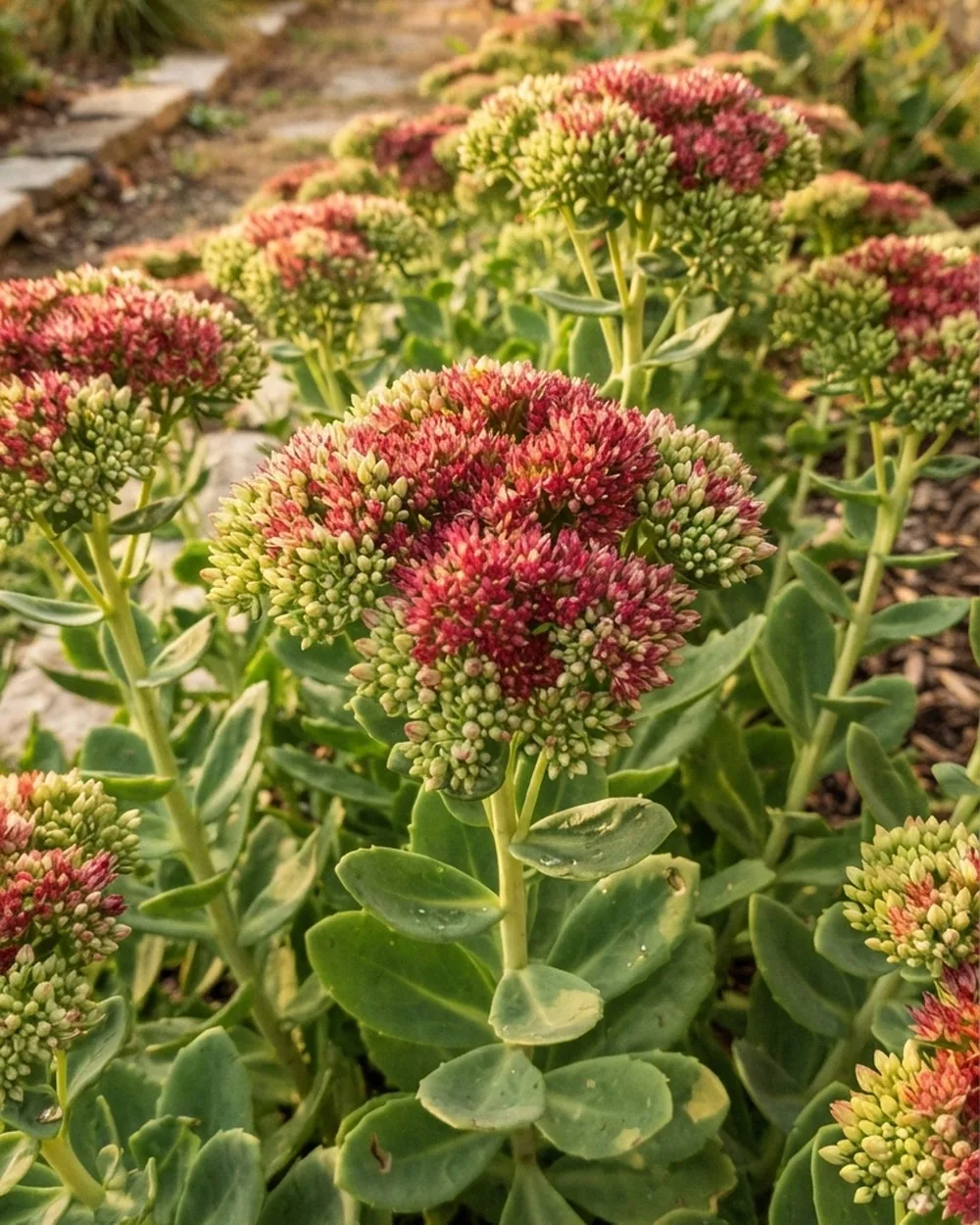
Choose tall, upright sedum varieties like ‘Autumn Joy’ for a narrow bed that gets plenty of sun. These plants are incredibly resilient, drought-tolerant, and provide a beautiful color transition from green to deep red as the season moves into autumn.
Divide the clumps every three to four years to keep the plants from getting too large and woody, which ensures they continue to produce vigorous growth each spring.
21. Espaliered Fruit Trees
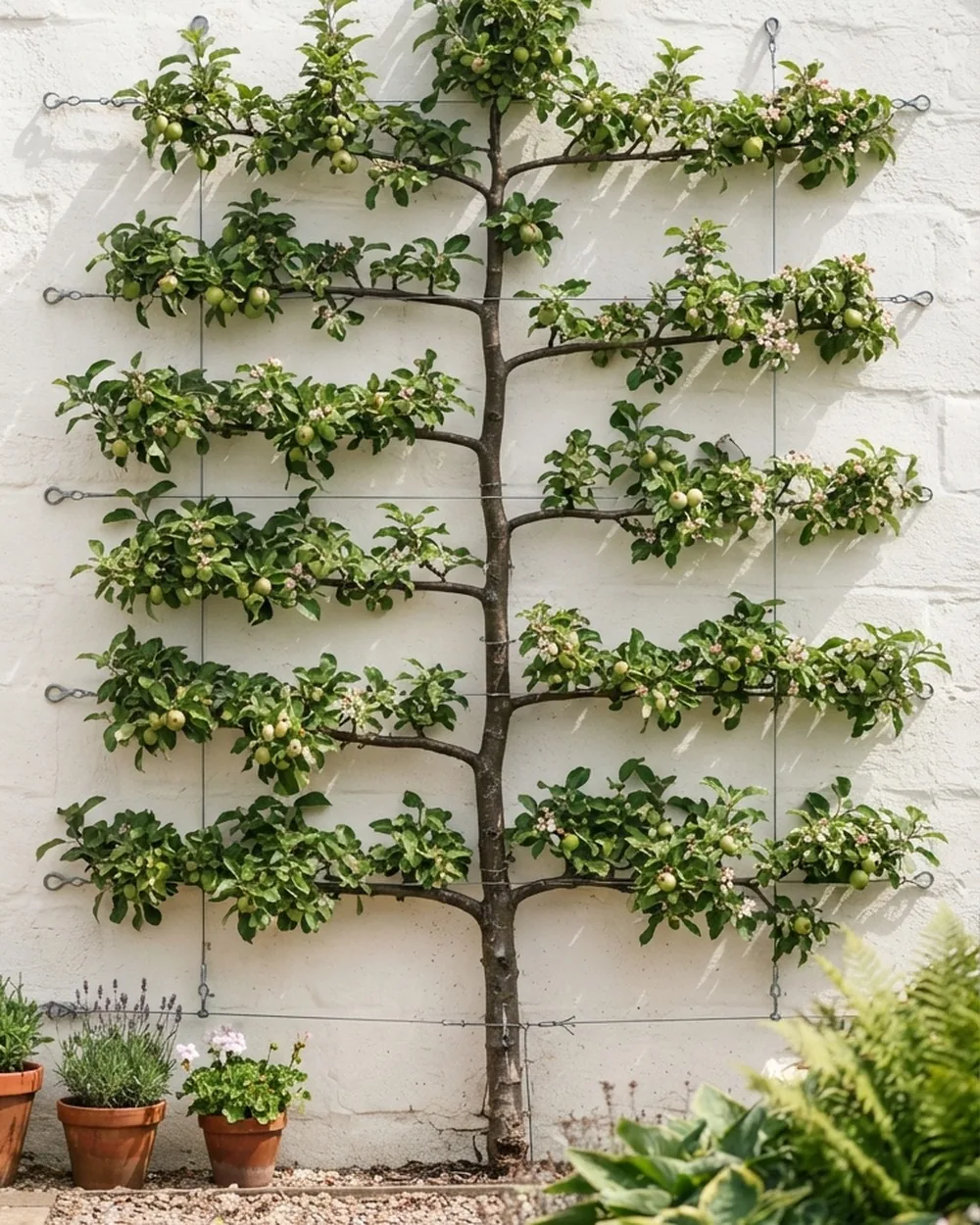
If you have a narrow bed against a sunny wall, consider training a fruit tree, like an apple or pear, into an espalier pattern. This technique trains the branches flat against the wall, allowing you to grow fruit in a space that is only a foot or two wide.
Use flexible garden ties to train the branches to a wire support system, making sure to check the ties twice a year so they don’t girdle the growing branches.
22. Ornamental Cabbage and Kale
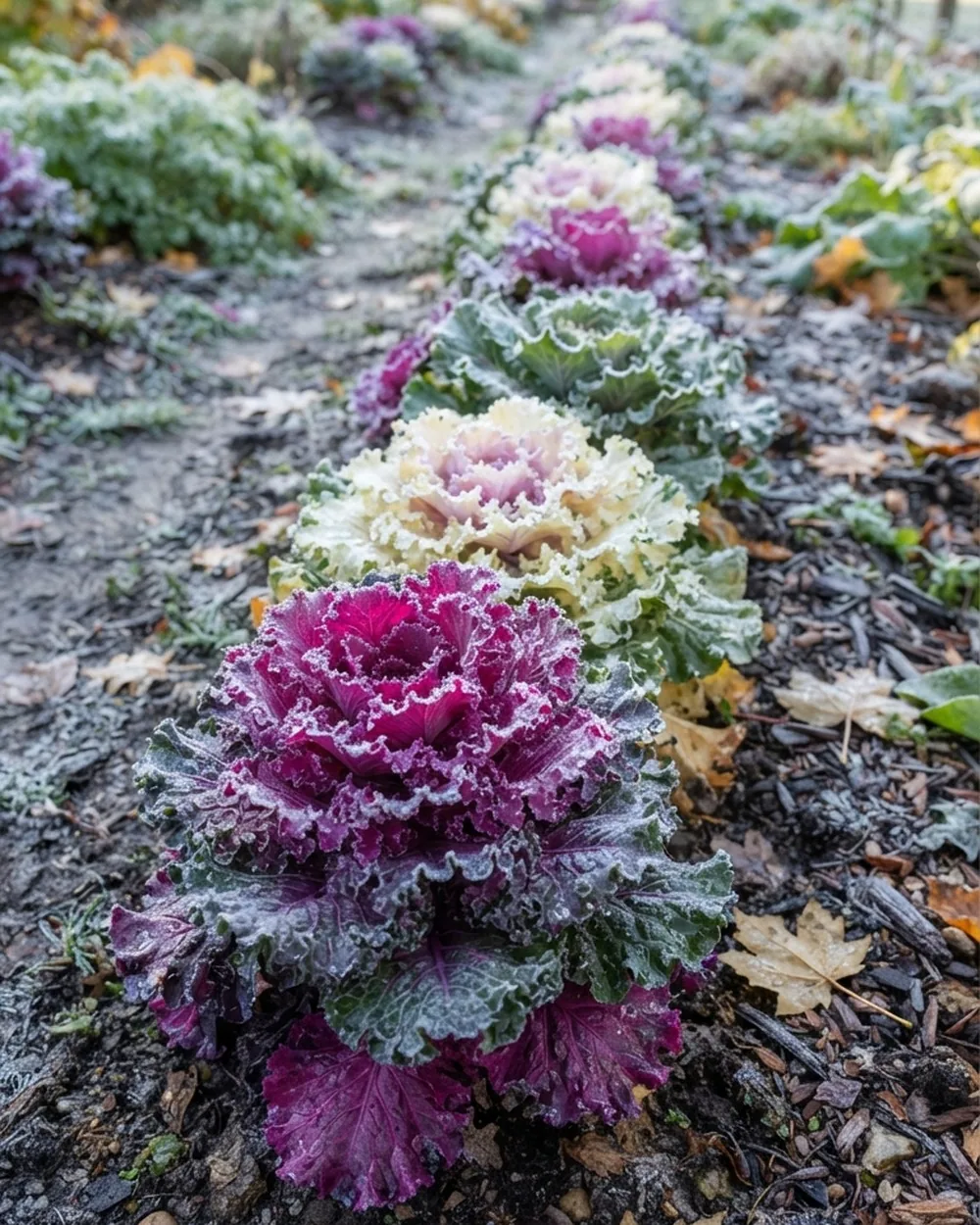
During the cooler months, replace summer annuals with ornamental cabbage and kale in your narrow beds. These plants provide stunning, ruffled textures and vibrant purple or cream colors that persist through light frosts, keeping your garden looking great when other plants have died back.
Plant these in a single, straight line to emphasize the geometric nature of the narrow bed, which creates a striking visual contrast to the surrounding landscape.
23. Decorative Metal Edging
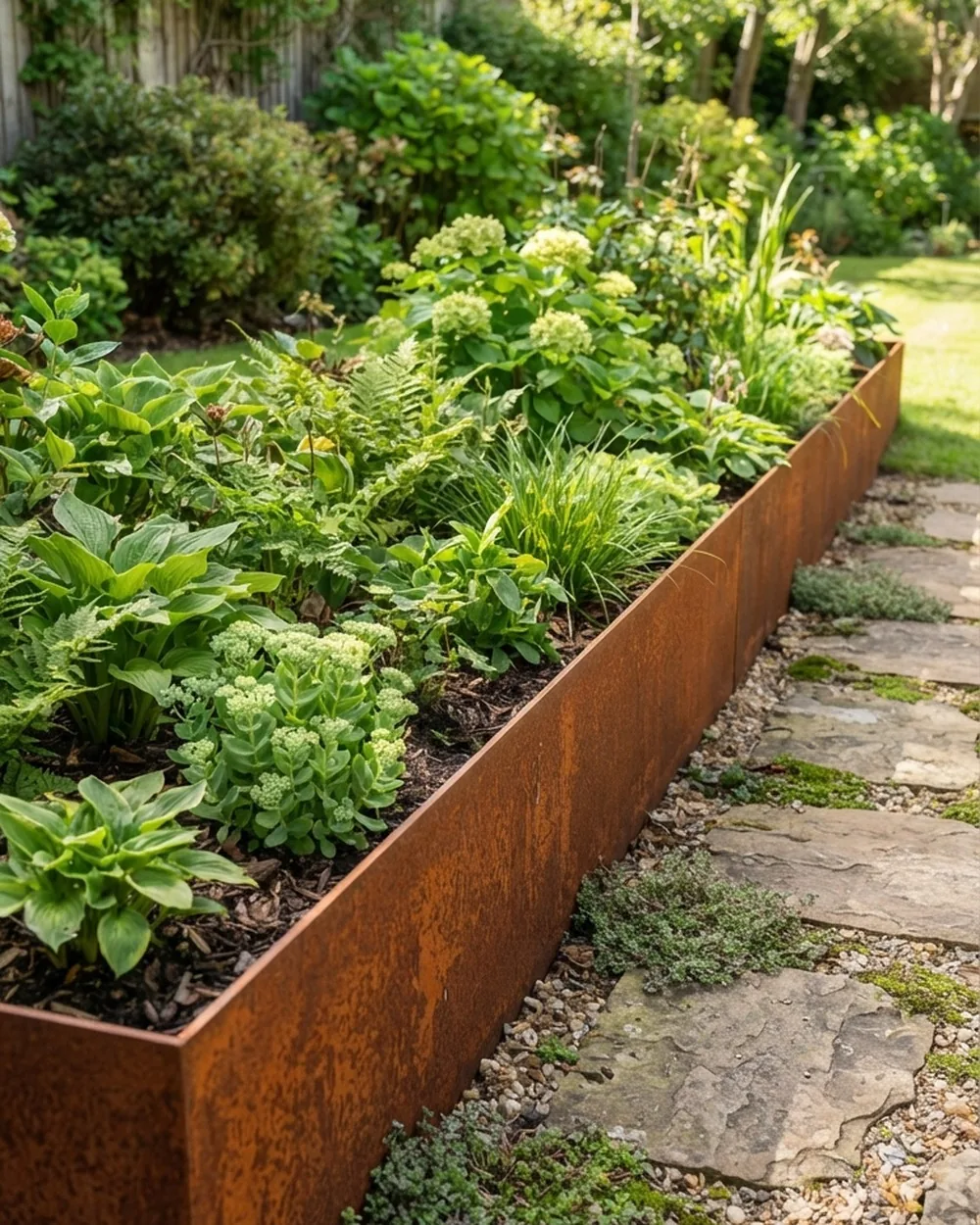
Installing tall, decorative metal edging creates a physical barrier that defines the narrow bed and prevents mulch or soil from spilling onto the walkway. The metal itself becomes a design feature, especially if you choose a rusted steel finish that looks beautiful against green foliage.
Choose edging that has a deep stake system to ensure it stays upright and doesn’t heave out of the ground during the freeze-thaw cycles of winter.
24. Hostas and Bleeding Hearts
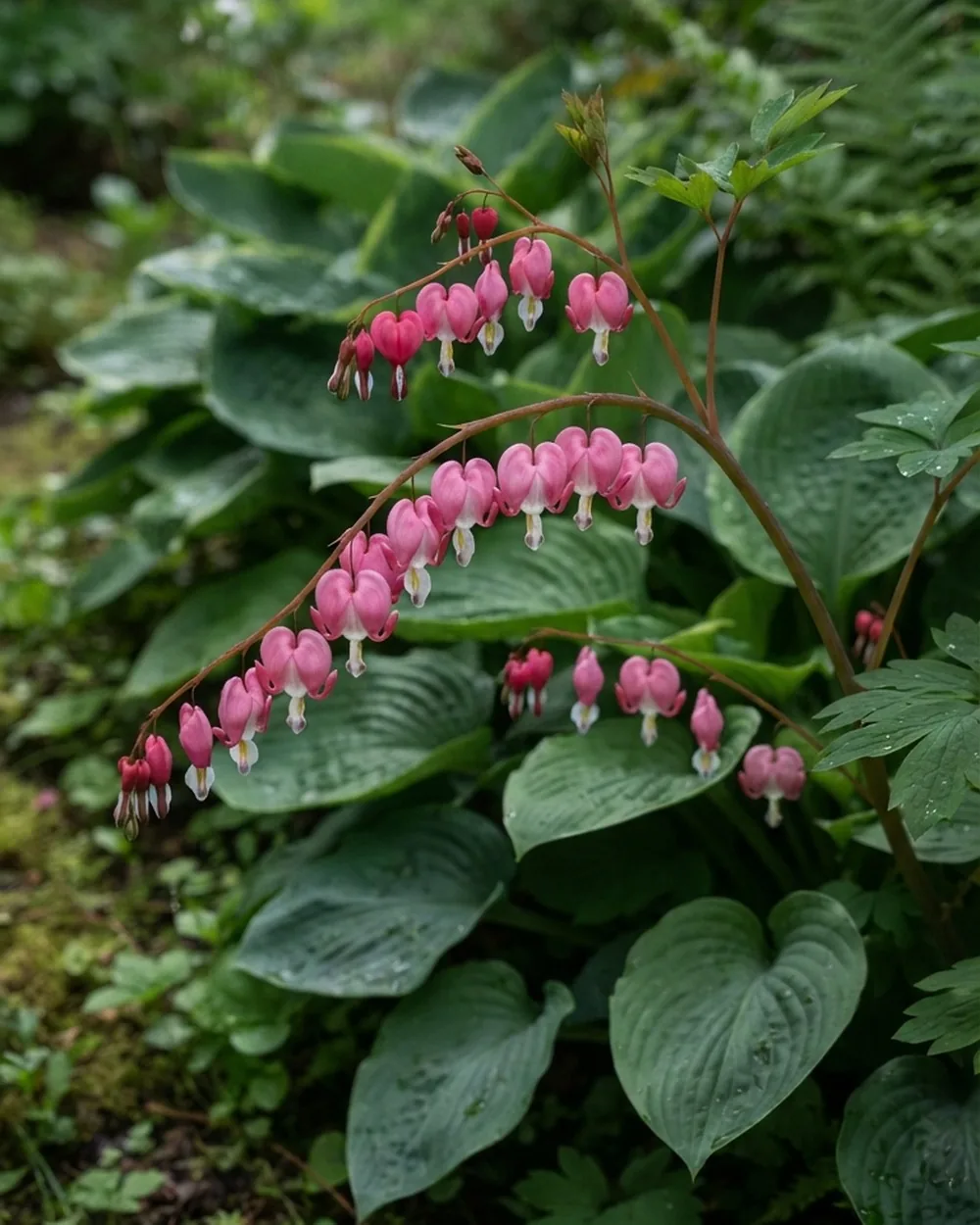
Combine hostas with the arching stems of bleeding hearts for a classic, elegant look in a narrow, shaded strip. The arching shape of the bleeding hearts provides height, while the hostas fill the base, creating a full, lush appearance in a very limited amount of space.
Deadhead the bleeding hearts once they finish blooming, as the foliage often goes dormant in the heat of summer, leaving the hostas to carry the visual weight.
25. Lavender and Allium Mix
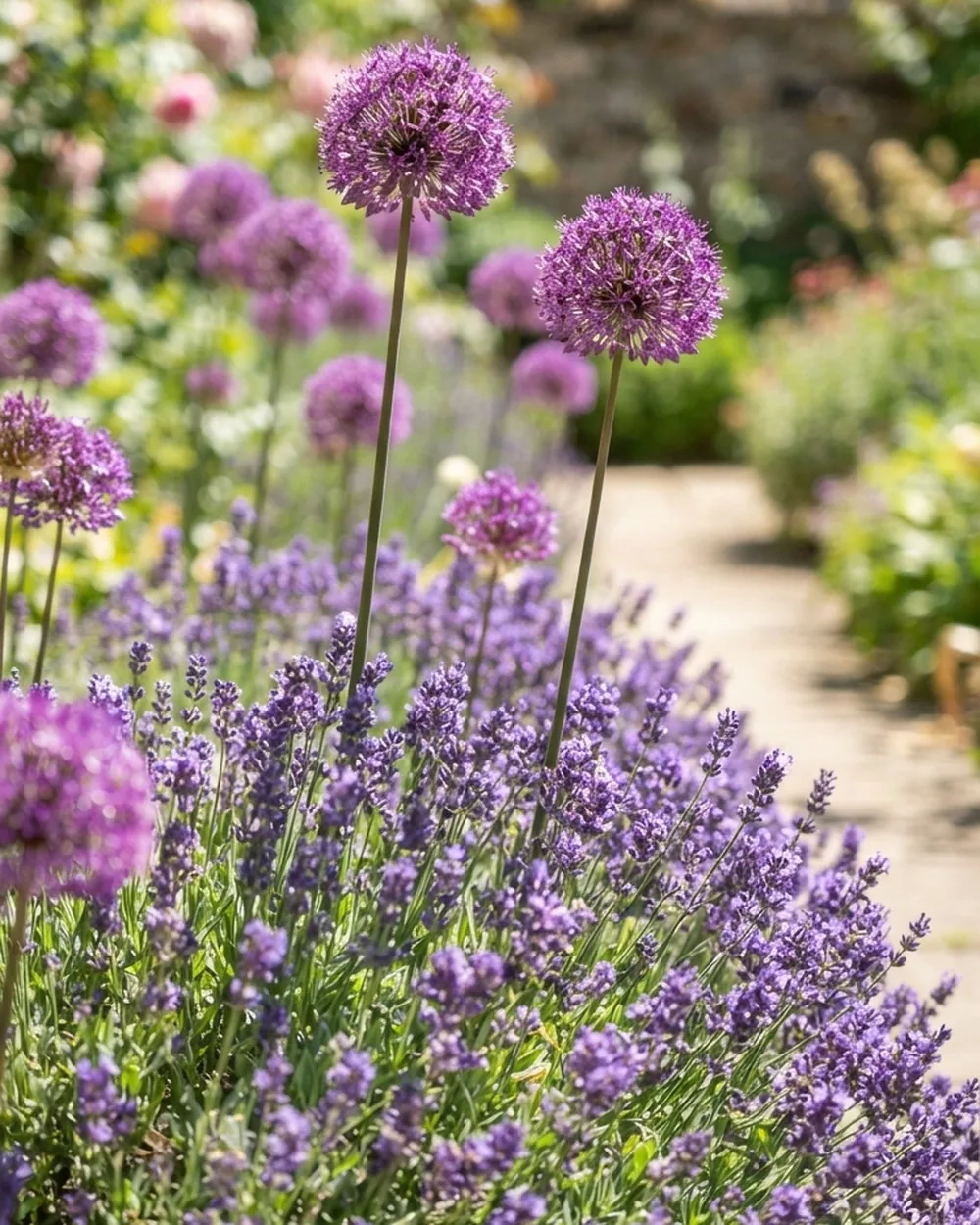
Mixing lavender with tall, purple allium bulbs creates a whimsical, high-contrast look that is perfect for a narrow, sunny border. The tall, spherical blooms of the allium rise above the mounded lavender, providing a layered, professional appearance that fits perfectly in tight quarters.
Plant your allium bulbs deep in the fall to ensure they have enough time to establish roots, and you will be rewarded with a stunning display of vertical interest every spring.
Final Touches for Your Garden
Designing with narrow flower bed ideas is all about choosing the right plants that offer vertical interest without overwhelming your walkway or foundation. By focusing on repetitive planting patterns and selecting species that thrive in restricted root zones, you can achieve a polished look that enhances your home’s exterior. Whether you prefer the formal structure of boxwoods or the relaxed feel of wildflowers, the key is consistency and proper maintenance throughout the growing season.
Take a moment to measure your available space and consider your local light conditions before heading to the nursery. Starting with a small, manageable section allows you to test what works best in your specific environment. If you found these suggestions helpful, feel free to share your favorite garden transformation photos or reach out with any questions about your next landscaping project.


