

23 Wainscoting Ideas for Stylish Walls & Interiors
Wainscoting is one of the easiest ways to give a room architectural character while adding texture, proportion, and visual interest to otherwise plain walls. From traditional raised panels to contemporary geometric designs, the right wall treatment can completely change how a space feels without requiring a full renovation. These 23 wainscoting ideas cover a range of decorating styles, room types, colors, and installation approaches, making it easier to find an option that suits your home.
Whether you are updating a dining room, bedroom, hallway, bathroom, home office, or living room, wainscoting can provide a polished backdrop while protecting lower walls from everyday wear. The height, panel profile, spacing, paint color, and surrounding decor all influence the final result, so choosing a design that complements the architecture of your room is essential.
1. Classic White Raised-Panel Wainscoting
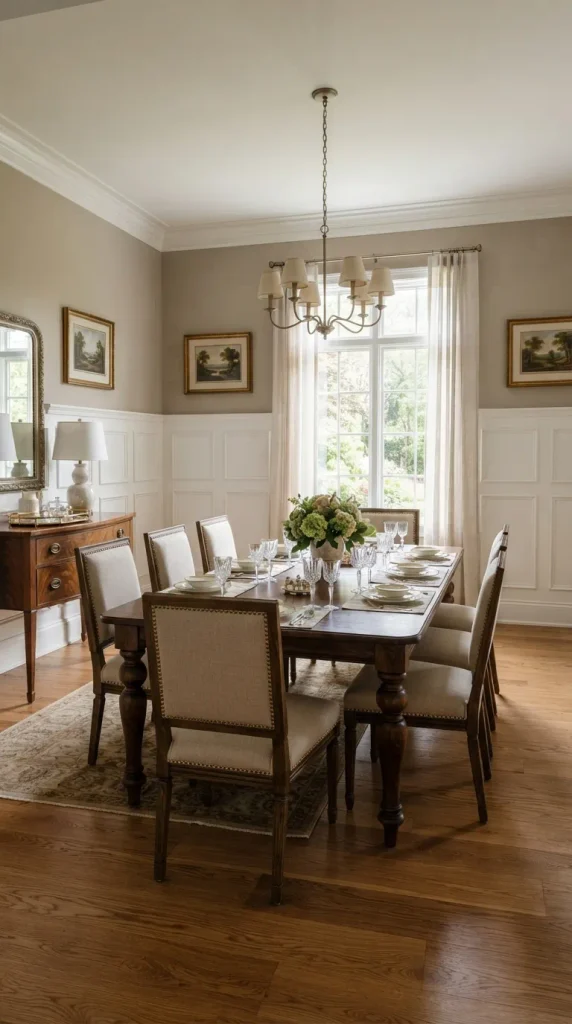
Classic white raised-panel wainscoting remains a timeless choice for homeowners who want architectural detail without making a room feel overly decorated. Traditionally installed across the lower portion of a wall, raised panels create subtle depth through their framed construction and work especially well with traditional, transitional, and cottage interiors. Pair the crisp white finish with warm wood floors, upholstered furniture, brass hardware, or soft neutral textiles for a balanced look. A simple chair rail can provide a clean transition between the paneling and upper wall, while painting the wall above in beige, gray, muted blue, or creamy white keeps the overall scheme sophisticated.
2. Modern Vertical Slat Wainscoting
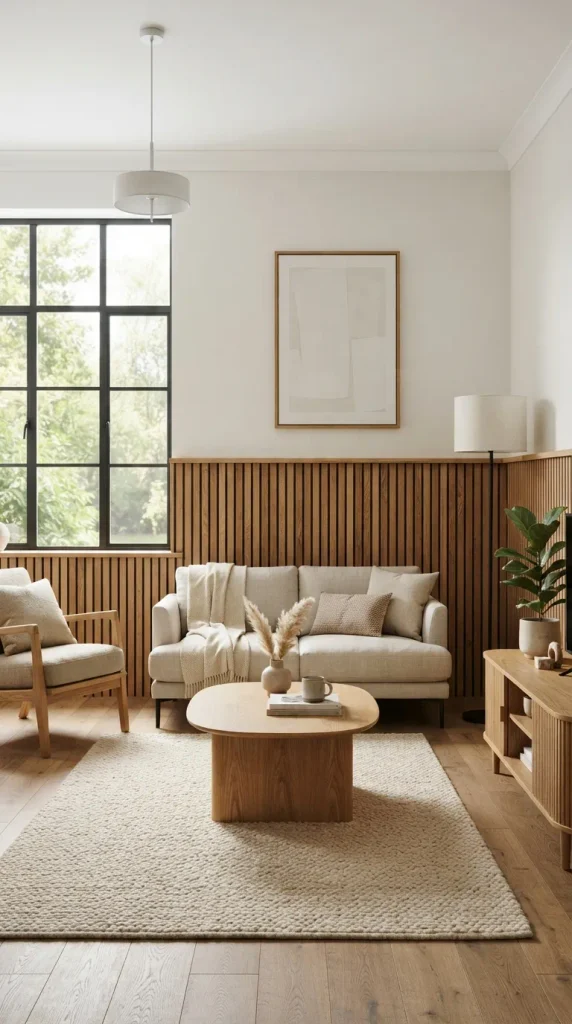
Vertical slat wainscoting brings a streamlined architectural look to contemporary interiors while subtly emphasizing ceiling height. Narrow wood strips or evenly spaced battens can be installed across the lower half of the wall, creating repeated vertical lines that add rhythm without overwhelming the room. This treatment works beautifully behind a console table, sofa, dining bench, or bed and can be painted the same color as the surrounding wall for a refined monochromatic effect. For a warmer appearance, natural wood tones are particularly effective against white walls and minimalist furniture. Keep the spacing consistent to achieve the clean, intentional appearance associated with modern wall paneling.
3. Half-Wall Wainscoting for Dining Rooms

A dining room is an ideal place for traditional half-wall wainscoting because the treatment naturally reinforces the room’s horizontal proportions. Installing paneling roughly one-third to one-half of the way up the wall creates an elegant backdrop for a dining table while helping protect the surface from chair backs and everyday bumps. White or soft cream panels pair beautifully with deeper wall colors such as navy, olive, charcoal, or muted terracotta. Add a statement chandelier, framed artwork, and a substantial wood dining table to create a layered space where the architectural detail feels intentional rather than decorative for decoration’s sake.
4. Board and Batten Wainscoting
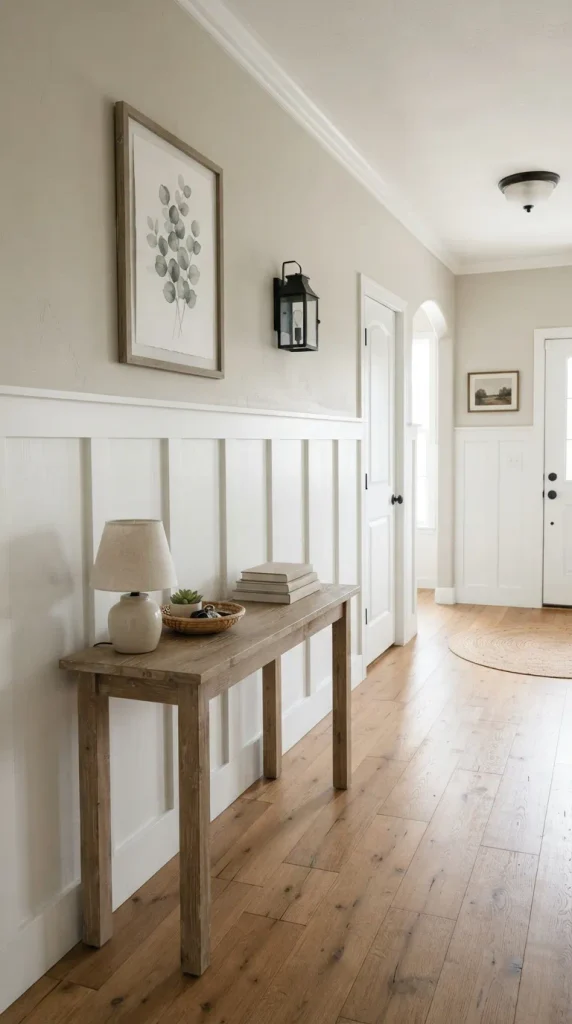
Board and batten wainscoting offers a practical way to introduce strong architectural lines without the intricate profiles associated with traditional panel molding. Wide vertical boards are combined with narrow battens to form evenly spaced rectangular sections, producing a farmhouse-inspired appearance that can also work in transitional and contemporary homes. The design is particularly effective in hallways, bedrooms, mudrooms, and family spaces where a durable lower wall treatment is useful. Painting the entire installation in one color creates a seamless built-in effect, while contrasting the battens with the upper wall adds definition. Careful measurement is essential because uneven spacing becomes immediately noticeable.
5. Tall Wainscoting for a Sophisticated Look
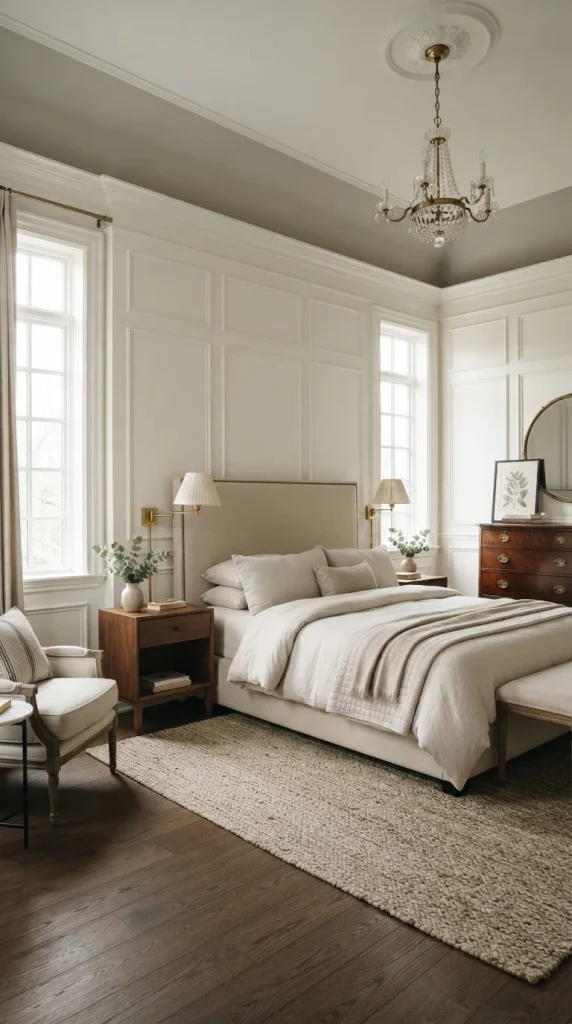
Tall wainscoting changes the proportions of a room by extending decorative wall treatment considerably higher than conventional chair-rail height. Instead of stopping around the middle of the wall, the panels can rise toward the upper third, creating a more dramatic architectural backdrop. This approach is particularly attractive in dining rooms, bedrooms, entryways, and formal living spaces with generous ceiling height. Keep the panel profiles relatively simple if you want the result to feel modern, or choose detailed molding for a more traditional interior. A narrow strip of visible wall above the paneling can create a framed effect that draws attention to artwork or lighting.
6. Wainscoting in a Small Bathroom
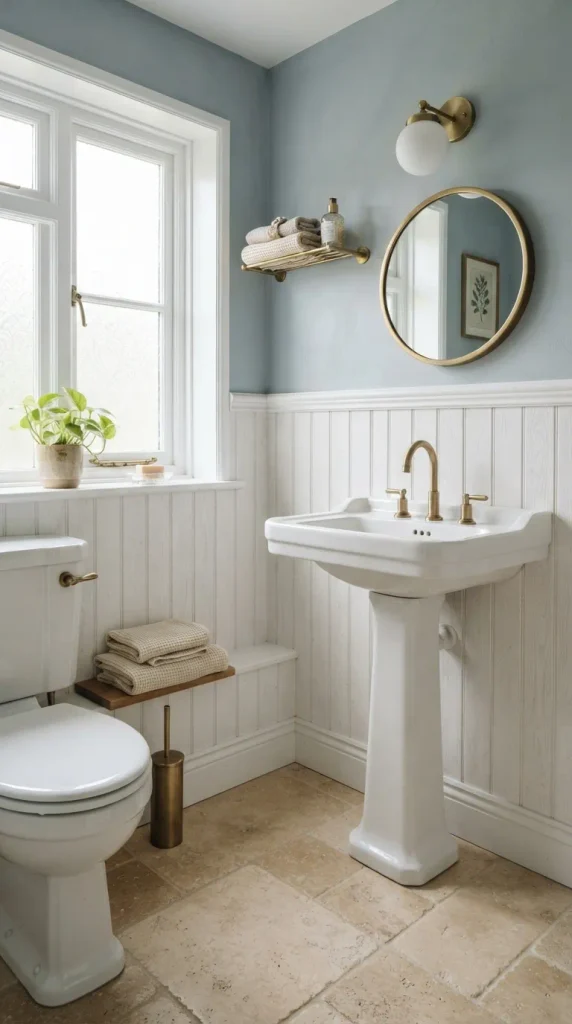
Wainscoting can make a small bathroom feel more finished while giving plain walls additional texture and proportion. Moisture-resistant materials and appropriate paint are important considerations, particularly around sinks, tubs, and showers. A simple beadboard or flat-panel treatment below the midpoint of the wall works well with classic bathroom fixtures, pedestal sinks, marble-look surfaces, and polished metal hardware. White paneling can keep a compact bathroom visually bright, while a muted green, blue, or warm gray creates more personality. For a cohesive appearance, coordinate the wainscoting with cabinetry or trim rather than treating it as an isolated feature.
7. Dark Wainscoting with Light Walls
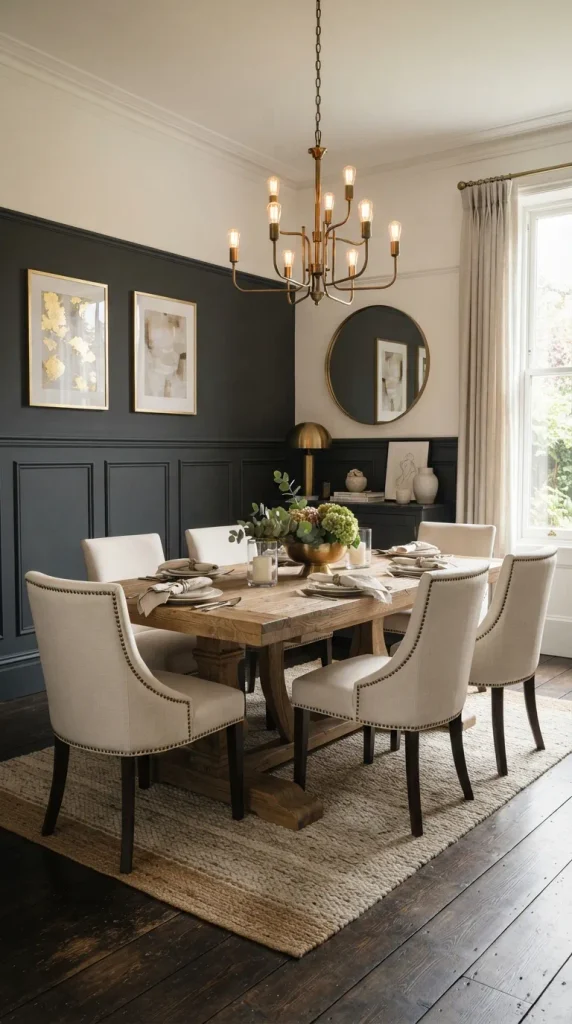
Dark-colored wainscoting creates striking contrast when paired with a lighter upper wall. Deep navy, charcoal, forest green, chocolate brown, and black can all give the lower section of a room a grounded, sophisticated appearance. The contrast is particularly effective in dining rooms, home offices, bedrooms, and hallways where a little drama is welcome. To prevent the darker paneling from visually weighing down the room, balance it with light upholstery, pale flooring, reflective lighting, or artwork containing brighter tones. Using the same dark color on doors, baseboards, or built-in cabinetry can make the room feel intentionally designed rather than simply divided into two colors.
8. Beadboard Wainscoting for Cottage Charm

Beadboard wainscoting is characterized by narrow vertical grooves that create a lightly textured surface and a distinctly relaxed character. It is especially well suited to cottage, coastal, farmhouse, traditional, and casual interiors. Use it in bathrooms, kitchens, bedrooms, laundry rooms, hallways, or breakfast areas where a softer architectural treatment feels appropriate. Classic white beadboard looks fresh and timeless, but painted versions in dusty blue, sage green, warm beige, or pale gray can provide a more personalized finish. A simple cap molding at the top completes the installation and gives the wall treatment a deliberate, professionally finished appearance.
9. Geometric Wainscoting with Picture-Frame Molding
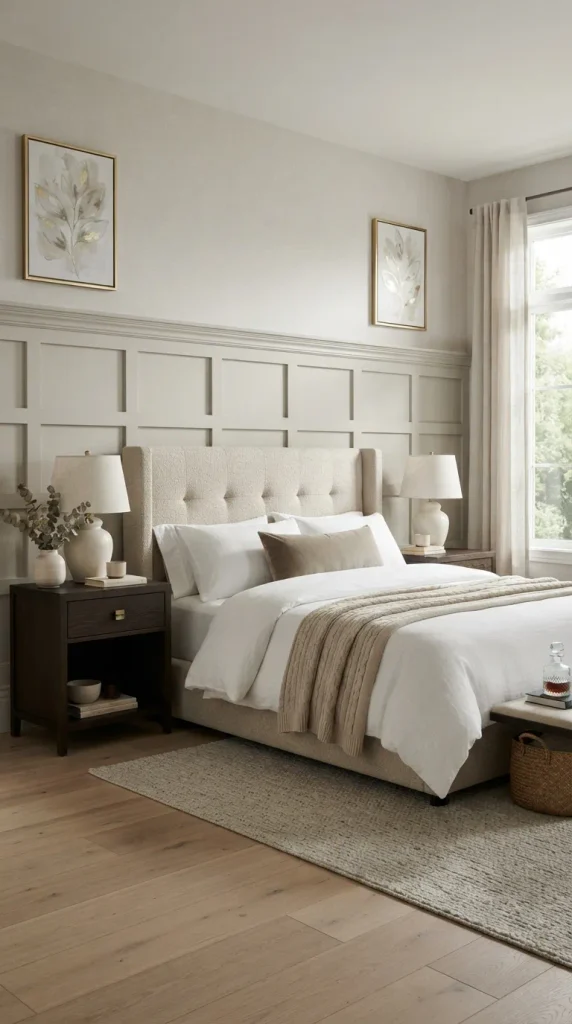
Picture-frame molding can transform a plain wall into an elegant geometric composition without requiring full-height paneling. Rectangular molding sections are arranged across the lower portion of the wall, usually with consistent spacing and carefully aligned edges. This approach is especially effective in formal dining rooms, bedrooms, stair landings, and living rooms where symmetry contributes to the overall design. Painting the molding and wall the same shade emphasizes shadow and texture rather than color contrast. For a more decorative appearance, use contrasting paint colors or introduce artwork inside selected frames, but maintain consistent proportions so the wall does not become visually cluttered.
10. Wainscoting Behind a Bed

Installing wainscoting behind a bed can create an architectural focal point without relying on a large upholstered headboard. A taller panel treatment can frame the sleeping area and visually anchor the bed against the wall. For a refined bedroom, consider symmetrical rectangular panels painted in a soft neutral, muted green, warm taupe, or deep blue. Extend the treatment slightly beyond the width of the bed to make the arrangement feel substantial. Wall-mounted reading lights, floating nightstands, and restrained bedding can complement the paneling without competing with it. This technique is particularly useful when you want a built-in appearance without installing expensive cabinetry.
11. Two-Tone Wainscoting for Visual Contrast
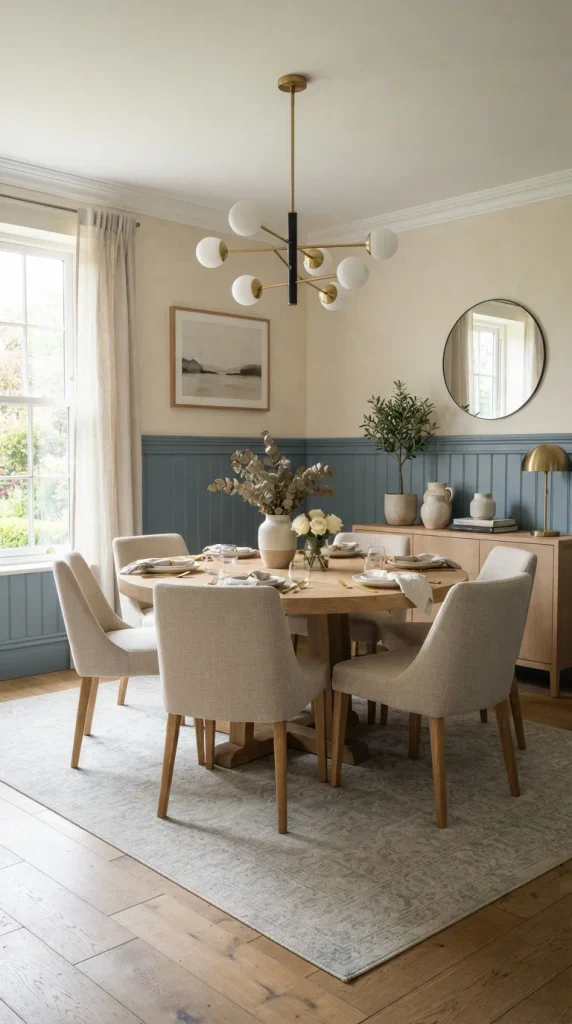
Two-tone wainscoting creates dimension by combining a distinct lower-wall color with a complementary shade above. Instead of simply painting the paneling white, consider pairing dusty blue with warm white, olive with cream, charcoal with pale gray, or terracotta with beige. The chair rail or cap molding can either match the lower section or remain consistent with the room’s trim. This treatment works especially well when the colors reflect existing furnishings rather than introducing unrelated shades. In open-plan interiors, two-tone wall paneling can also help define a dining or seating zone without requiring a physical partition.
12. Minimalist Flat-Panel Wainscoting
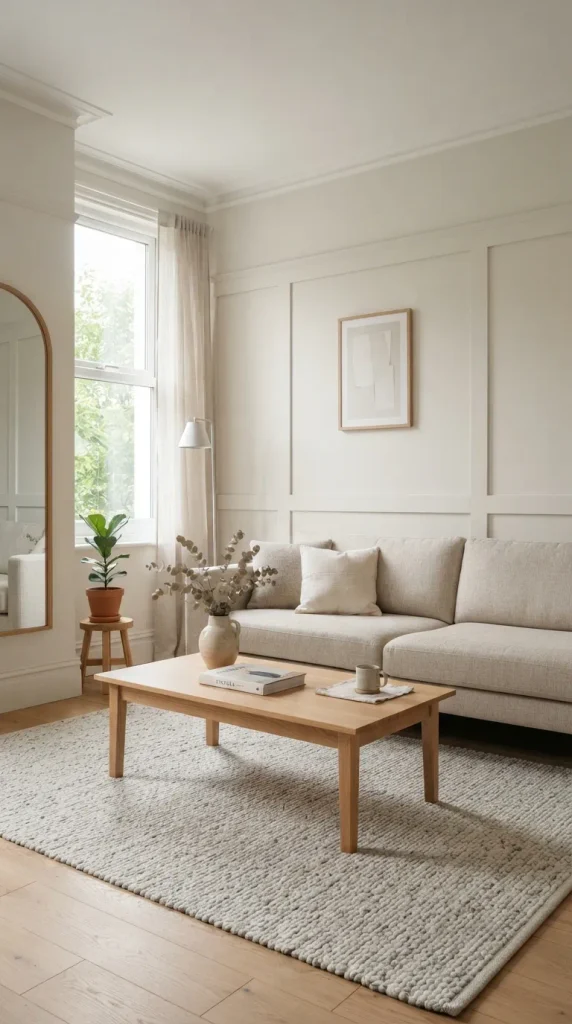
Flat-panel wainscoting offers a clean alternative to ornate molding and works particularly well in modern, transitional, Scandinavian, and minimalist interiors. Unlike raised panels, flat panels have a restrained profile that creates subtle depth while maintaining a smooth visual rhythm. Use wide rectangular sections rather than numerous small compartments to keep the design contemporary. A monochromatic finish allows the shadows around the panels to provide most of the visual interest. This style pairs naturally with simple furniture, natural materials, understated lighting, and uncluttered surfaces. It is an excellent choice when you want architectural detail but prefer a calm and streamlined room.
13. Wainscoting Along a Staircase

Following the angle of a staircase with wainscoting can turn an overlooked transition area into one of the home’s most visually interesting architectural features. The paneling should be carefully measured so that its upper edge follows the staircase line while maintaining consistent proportions between individual sections. Simple rectangular panels or board-and-batten designs are usually easier to adapt to changing wall angles. White is a reliable choice for brightening stairwells, but deeper colors can create an elegant gallery-like atmosphere. Add framed artwork, a runner, or thoughtfully positioned lighting to reinforce the architectural rhythm without overcrowding the narrow passage.
14. Moody Green Wainscoting

Deep green wainscoting introduces color while maintaining the sophisticated character associated with traditional wall paneling. Shades ranging from muted sage to rich forest green can work depending on the amount of natural light and the surrounding furnishings. Pair green panels with warm white walls, natural oak, antique brass, woven textures, and cream upholstery for a layered organic palette. In a darker room, choose a softer green with enough warmth to prevent the space from feeling cold. This treatment is particularly appealing in studies, dining rooms, bedrooms, and entryways where saturated colors can create a cozy sense of enclosure.
15. Wainscoting in a Home Office

Wainscoting can give a home office a more established, architectural character while protecting the walls around a desk and seating area. A medium-height panel treatment creates a visual foundation for bookshelves, framed prints, and functional storage without competing with the workspace. Consider a muted blue-gray, warm taupe, olive, or classic white depending on the overall decorating scheme. If the room contains built-in cabinetry, matching the wainscoting to the cabinetry can make both elements appear integrated. Keep cable management, desk accessories, and wall decor organized so the architectural detail remains visible rather than disappearing behind workplace clutter.
16. Natural Wood Wainscoting
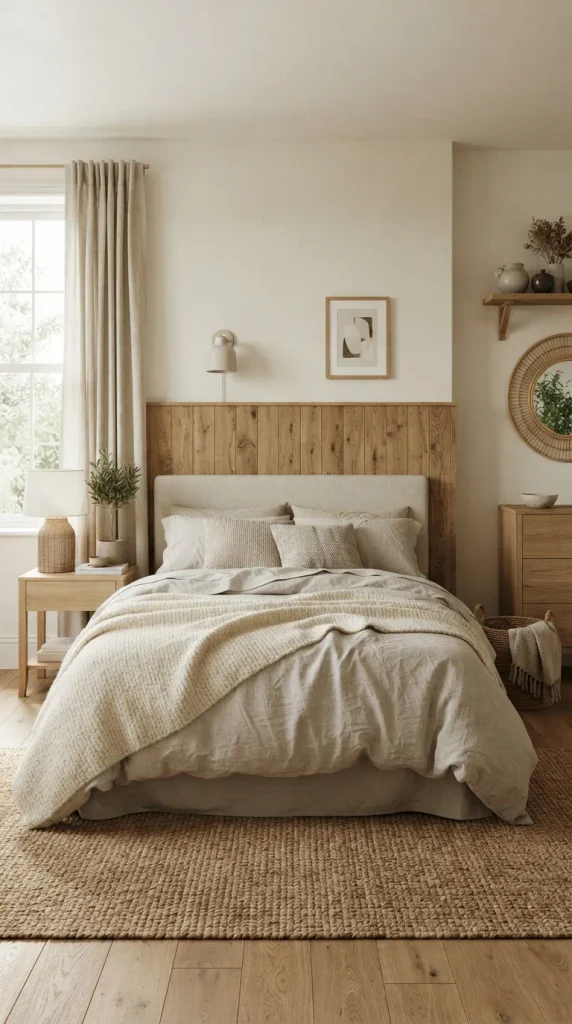
Natural wood wainscoting adds warmth and tactile character that painted paneling cannot completely replicate. Oak, pine, walnut, and other wood species can introduce visible grain while connecting the walls to hardwood flooring, exposed beams, furniture, or woven accessories. Vertical boards provide a casual appearance, whereas carefully framed wood panels feel more formal. A clear or lightly tinted finish allows the natural material to remain the focal point. This approach works especially well in cabins, modern rustic homes, Scandinavian-inspired rooms, and contemporary spaces that benefit from organic texture. Balance the wood with painted walls and softer textiles to avoid making the room feel overly heavy.
17. Wainscoting in an Entryway

The entryway is one of the most practical places to install wainscoting because the lower walls are exposed to frequent contact from bags, shoes, furniture, and everyday traffic. A durable panel treatment creates a protective surface while making the entrance feel intentional and welcoming. Board and batten, beadboard, and simple raised panels can all work depending on the home’s architectural style. Add a narrow console, mirror, hooks, or a small bench to make the space functional without hiding too much of the wall treatment. A slightly darker paint color below the chair rail can also help disguise everyday marks.
18. Black Wainscoting for Dramatic Interiors
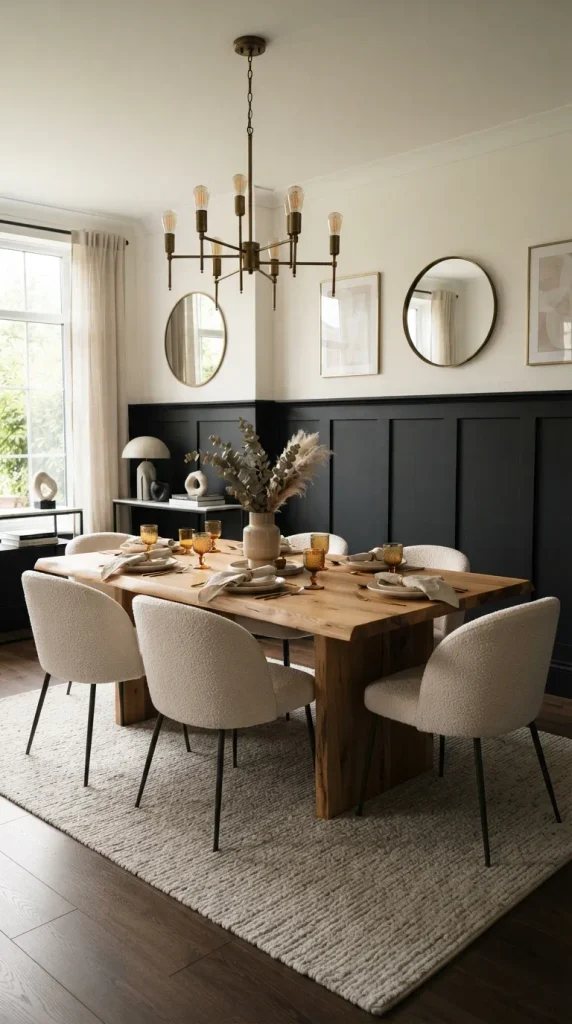
Black wainscoting can produce a sophisticated, high-contrast backdrop when used thoughtfully. Rather than covering every wall with intense color, install black paneling on the lower section and allow a lighter upper wall to maintain visual openness. Matte or low-sheen finishes generally emphasize the geometry without creating excessive reflection. Warm woods, cream fabrics, brass accents, and soft lighting help balance the strong lower-wall color. This approach can be especially effective in dining rooms, libraries, powder rooms, and modern entryways. Because dark colors absorb light, evaluate the room’s natural and artificial illumination before committing to a very deep shade.
19. Coastal-Style White Wainscoting

White wainscoting is a natural fit for coastal interiors because its clean architectural lines complement pale woods, linen fabrics, woven baskets, blue accents, and relaxed furniture. Beadboard is particularly effective when you want to reinforce a casual seaside aesthetic, while flat or raised panels can create a more refined coastal look. Keep the color palette restrained with soft whites, sandy neutrals, washed blue, and natural textures rather than relying on obvious nautical decorations. In bedrooms and bathrooms, white paneling can also enhance the feeling of freshness and light. The result should feel relaxed and airy rather than themed.
20. Wainscoting with Wallpaper Above

Combining wainscoting with wallpaper creates an opportunity to introduce pattern without allowing it to dominate the entire wall. The paneling provides a structured lower section, while wallpaper above can bring botanical motifs, subtle geometric patterns, florals, or textured designs into the room. For a cohesive result, select a wainscoting color that appears within the wallpaper’s palette. This combination is particularly attractive in dining rooms, powder rooms, bedrooms, and entryways. Keep the molding profile relatively simple when the wallpaper is visually detailed; otherwise, the competing patterns and architectural lines can make the wall feel unnecessarily busy.
21. Wainscoting Around a Fireplace
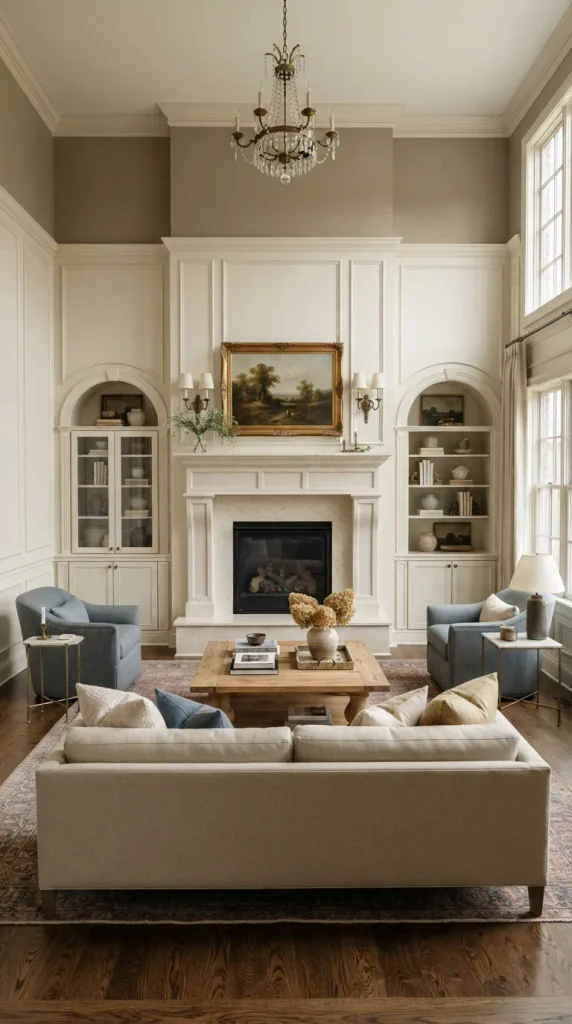
Framing a fireplace with wainscoting can strengthen the room’s focal point and connect the fireplace wall to the surrounding architecture. Panel molding can extend outward from the fireplace surround, creating a symmetrical composition that visually anchors the mantel. Choose a profile that complements the fireplace itself: traditional raised panels suit classic surrounds, while flat panels work beautifully with modern designs. Painting the paneling in a single shade creates continuity, whereas contrasting tones can emphasize the fireplace as a central feature. Keep furniture placement balanced on either side so the architectural symmetry remains visible and the room retains comfortable circulation.
22. High-Contrast Blue Wainscoting
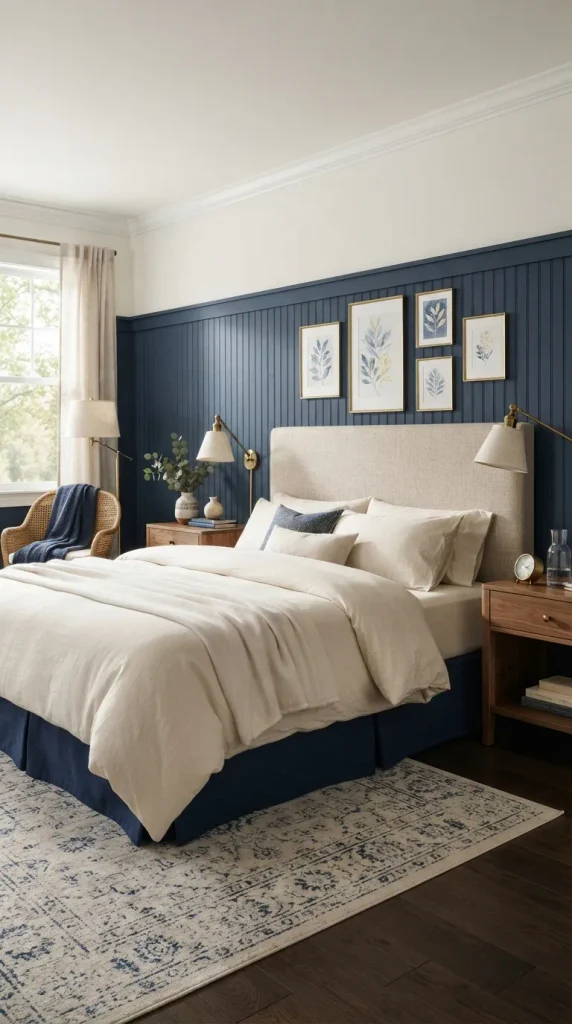
Blue wainscoting provides a versatile way to add color while retaining a classic architectural feel. Depending on the room, shades such as powder blue, slate, navy, or muted teal can create completely different moods. Pair medium or dark blue paneling with warm white walls for a crisp traditional look, or combine it with soft beige and natural wood for a more relaxed atmosphere. Blue works especially well in bedrooms, bathrooms, dining areas, and hallways because it can feel both distinctive and timeless. Repeat small touches of the same blue in artwork, cushions, rugs, or accessories to make the color feel integrated.
23. Full-Wall Wainscoting for a Statement Feature
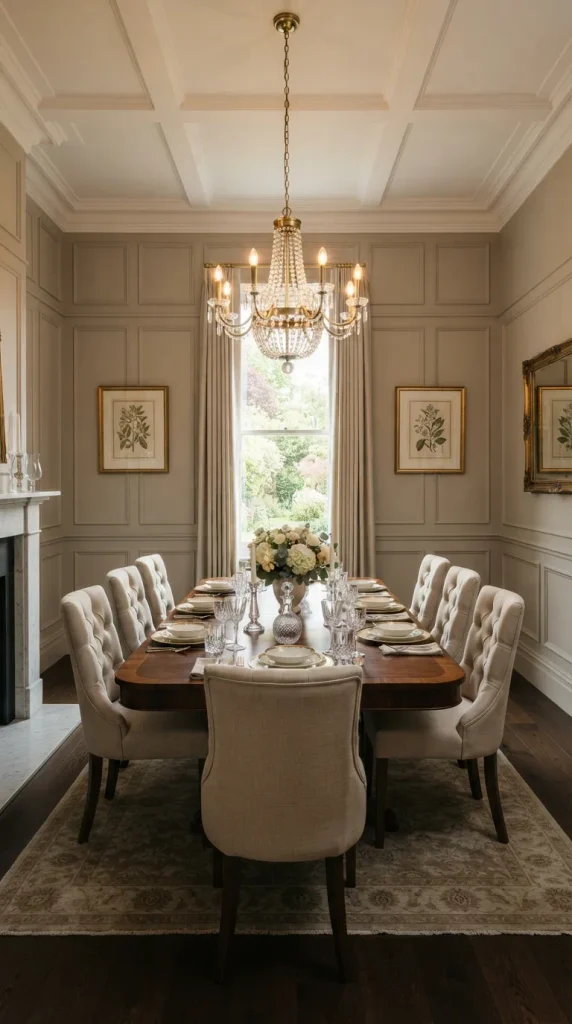
Full-wall wainscoting takes the concept beyond a traditional lower-wall treatment and turns panel molding into a complete architectural feature. Covering an entire accent wall with evenly proportioned panels can give a bedroom, dining room, living room, or entryway a custom-built appearance. The key is restraint: use consistent panel dimensions, maintain balanced spacing around doors and windows, and choose a color that supports the room’s furniture rather than competing with it. A single statement wall can provide enough architectural interest without requiring every surface to be paneled. This approach is particularly effective when the room lacks original architectural details.
Conclusion
Wainscoting can do much more than protect the lower portion of a wall. The right combination of panel style, height, spacing, color, and surrounding materials can influence the proportions and personality of an entire room. From classic raised panels and beadboard to modern slats, natural wood, dramatic dark finishes, and full-wall treatments, these 23 wainscoting ideas offer adaptable options for both traditional and contemporary homes. When planning your installation, consider the room’s ceiling height, natural light, existing trim, furniture scale, and overall decorating style so the paneling feels like an intentional part of the architecture rather than an afterthought.


